
Lubango
Angola · 6 places
Photo: User Erik Kristensen on flickr.com, CC BY 2.0
Lubango sits on a high plateau in southern Angola, a place where time seems to move at its own unhurried pace. The air is cooler here, crisper than in the lowlands, and the city unfolds in quiet streets lined with low-slung houses under terracotta roofs. There’s no rush, no clamor of coastal cities—just the occasional chime of church bells on Sundays and the scent of strong coffee drifting from open-air cafés. The surrounding mountains, often shrouded in mist, frame a landscape where cattle graze in valleys, and locals still call Lubango the cattle capital of Angola. It’s a place that feels suspended between past and present, where life carries on much as it has for decades.
The city’s roots stretch back to the late 19th century, when Portuguese settlers established it as an agricultural outpost. They brought with them vineyards, coffee plants, and a way of life that still lingers in the rhythm of the streets. The center of Lubango holds traces of its mid-20th-century boom, with art deco buildings that once symbolized prosperity. A railway was built to connect the city to the coast, though today it runs sporadically, if at all. Most travelers arrive by bus or car, winding through mountain roads that offer glimpses of the rugged terrain.
Nature is Lubango’s most compelling draw. Just outside the city, Mount Moco rises as Angola’s highest peak, a challenging but rewarding climb with sweeping views of savannas and scattered villages below. Closer in, the Tshitanda Canyon cuts through the landscape, its walls lush with greenery and a river running along the bottom. Locals gather here on weekends for picnics by the water, though in the rainy season, the river swells into a powerful current. When the weather is dry, the pools are calm enough for a swim.
There’s little in the way of tourist infrastructure here, and that’s part of the appeal. Lubango doesn’t put on a show for visitors—it simply exists, unpolished and unhurried. Markets sell fresh fruit, grilled meat, and handwoven fabrics, while evenings bring music to the squares, sometimes live, sometimes from a crackling radio. The city doesn’t try to impress; it just is. That quiet authenticity is what makes it special.
If you find yourself in Lubango, take your time. Wander the streets without a plan, duck into small shops where you might find anything from batteries to vintage records. Try *muamba*, a rich stew of meat and vegetables cooked in palm oil, served in clay pots. And don’t be surprised if strangers greet you first—it’s just how things are done here. Lubango isn’t for those seeking spectacle; it’s for those who want to see the world as it is, without the gloss.
See & Do
6 places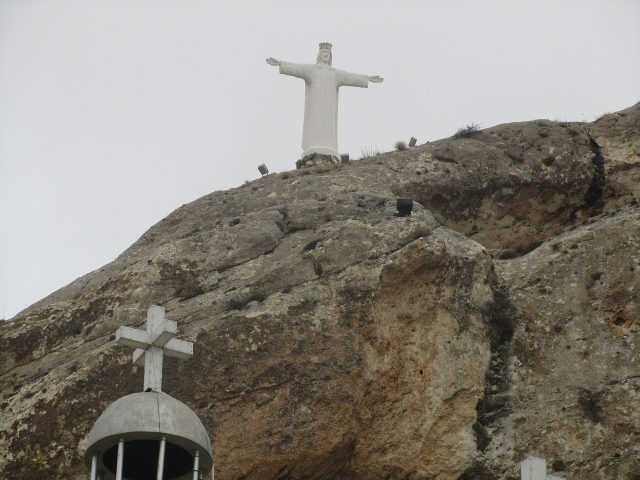
Places on the map
Marker colour follows the categoryClimate and weather
Detailed weather: Lubango- Average temperature
- 20 °C
- Precipitation per year
- 736 mm
Average air temperature
°C
20
21
20
20
19
17
18
20
23
23
21
21
Jan
Feb
Mar
Apr
May
Jun
Jul
Aug
Sep
Oct
Nov
Dec


