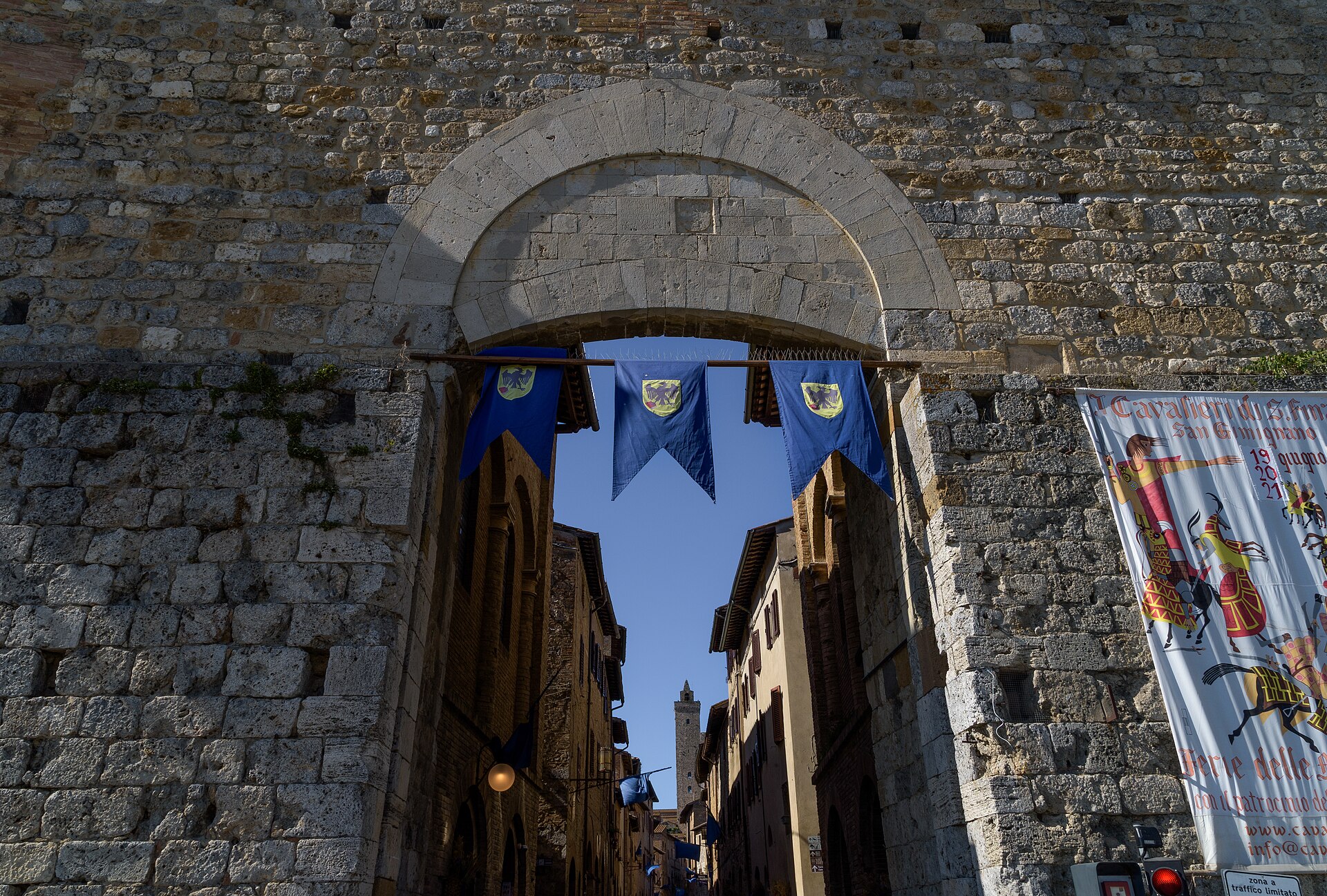
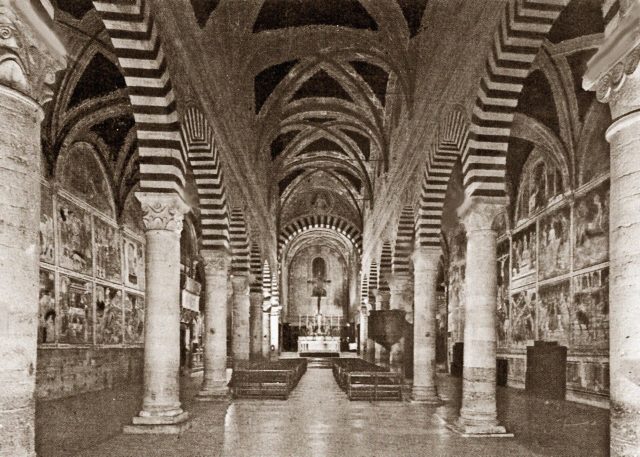
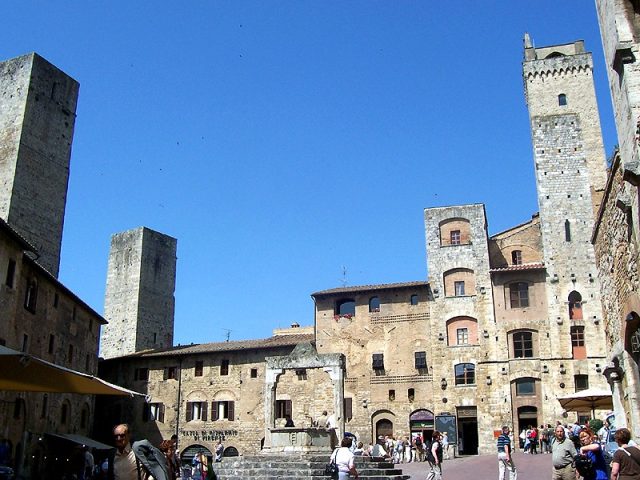
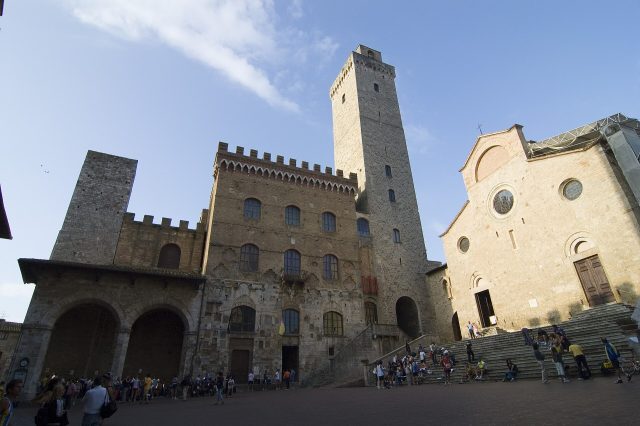
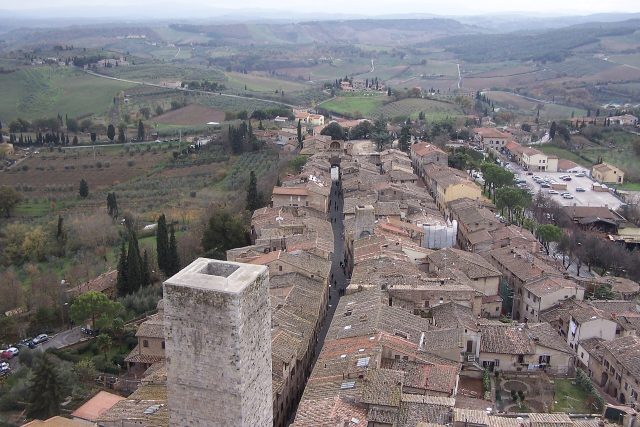
San Gimignano is a town that feels frozen in time, its narrow streets and towering medieval structures preserving the spirit of an era when merchants and artisans thrived within its walls. The beauty of its stone facades and sweeping Tuscan views often overshadows a darker chapter of its past—one marked by cruelty, suffering, and the thin line between justice and brutality. Tucked away in the heart of the town, the Museum of Torture serves as a stark reminder of how easily humanity has crossed that line throughout history.
Unlike traditional museums filled with golden relics or grand paintings, this collection offers something far more unsettling. The exhibits consist of instruments once used for interrogation, punishment, and execution, each one a testament to human ingenuity in inflicting pain. Spanning centuries from the Middle Ages to the early modern period, the displays reveal how societies justified—and perfected—methods of torment in the name of law, religion, or power. There’s no glorification here, only a quiet, unflinching record of what people have done to one another.
Among the most infamous pieces is the Iron Maiden, a coffin-like device lined with spikes that would pierce the victim as it closed. Historians debate how frequently such tools were actually used, but their symbolic weight is undeniable, evoking the horrors of the Inquisition. Nearby, the rack stretches the imagination further—a frame designed to dislocate joints by slowly pulling the body apart. Then there’s the Spanish Boot, a vice that crushed legs until bones splintered. These aren’t relics of some distant, barbaric past; they’re reminders of how recently such practices were considered acceptable.
A significant portion of the museum is devoted to instruments tied to religious persecution. During the Inquisition, heresy was treated as one of the gravest crimes, and the punishments reflected that severity. Visitors will find devices used for burning at the stake, iron masks of shame forced upon women accused of witchcraft, and even early forms of water torture—precursors to methods still debated today. The exhibits force a difficult question: how did faith, meant to uplift, become a tool for oppression?
The museum itself is housed in a building that feels like a relic of its own. Thick stone arches, narrow windows, and heavy wooden doors create an atmosphere where the past lingers. It’s easy to imagine the cries that once echoed through these halls, the weight of suffering embedded in the very walls. Many visitors describe the experience as unsettling yet strangely compelling—a desire to understand how such horrors could exist outside of nightmares.
This isn’t a place designed to shock or entertain. There are no staged reenactments or sensationalized displays, just the instruments themselves, accompanied by brief explanations of their use. The absence of theatrics makes the experience all the more chilling; the mind fills in what the exhibits leave unsaid. The museum’s purpose is simpler and more sobering: to preserve the memory of history’s darker moments and to remind us of the dangers of unchecked power and dehumanization.
For many, the visit is unexpected. San Gimignano is best known for its wine, its landscapes, and its medieval charm—hardly the setting one associates with such grim history. Yet here, among these artifacts, another side of the past emerges, one rarely discussed on tourist routes. It’s a place that forces reflection on how fragile the line between civilization and barbarism truly is, and how easily progress can be undone.
The Museum of Torture isn’t for the faint of heart, but those who enter rarely leave unmoved. It’s not just a collection of objects; it’s a confrontation with history’s uglier truths, the ones that shaped the world we live in today. Perhaps that’s why it resonates so deeply. It doesn’t let us forget that progress isn’t just about moving forward—it’s also about leaving behind the mistakes of the past.