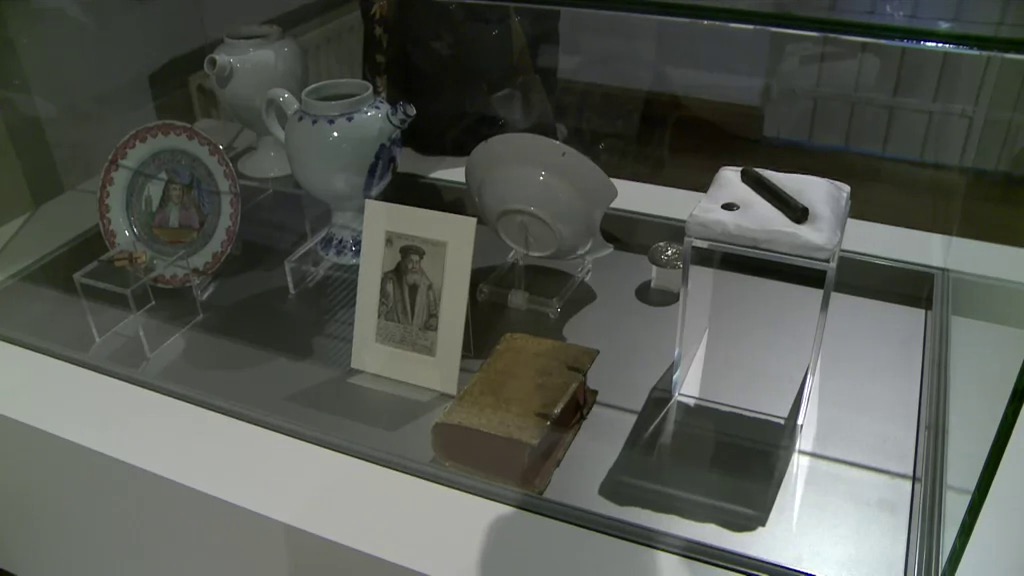
Prinsenhof Museum in Delft is one of those rare places where history feels alive—not through grand reconstructions or dramatic reenactments, but through the quiet weight of its walls and the stories they hold. The building itself has witnessed centuries of change, beginning as a convent in the fifteenth century, when the Sisters of Saint Agatha prayed within its cloisters. By the time the Reformation swept through the Netherlands, the monastery had been repurposed, its halls echoing with the footsteps of city officials rather than nuns. It was here, in a modest room on the second floor, that one of the most pivotal moments in Dutch history unfolded. In 1584, William of Orange, the leader of the Dutch revolt against Spanish rule, was assassinated. The bullet hole in the wall remains, a small but stark reminder of how a single act of violence could alter the course of a nation.
The museum’s collection spans several eras, but its heart lies in the Dutch Golden Age, when the Netherlands stood at the center of global trade, scientific discovery, and artistic innovation. Delft was no exception—a thriving city where painters like Johannes Vermeer captured its quiet beauty in works like *View of Delft*, a masterpiece of light and precision. The museum houses several of these paintings, not as mere decorations, but as windows into a world where the rhythm of life was measured by the tolling of church bells and the slow drift of barges along the canals. Other artists, like Pieter de Hooch and Carel Fabritius, fill the galleries with scenes of domestic life, their canvases offering glimpses of seventeenth-century interiors, the fabrics people wore, and the way they moved through their days. Fabritius’s *The Goldfinch*, painted shortly before his death in the devastating Delft gunpowder explosion of 1654, is a particular treasure—a small, luminous work that seems to defy the tragedy of its creation.
The architecture of Prinsenhof tells its own story. Over the centuries, the building has been reshaped to suit the needs of the city, from a convent to a town hall and later a courthouse. Yet traces of its past remain: the Gothic vaults in the cellar, the worn wooden beams overhead, the spiral staircases that creak underfoot. The inner courtyard, with its arched galleries, is perhaps the most evocative space. Once a place of contemplation for the nuns, it later became a hub of civic activity, where officials debated taxes and trade. Today, it offers visitors a moment of quiet, a chance to sit beneath the same stone arches and imagine the layers of history beneath their feet.
William of Orange’s legacy looms large in the museum. The room where he was killed has been preserved with care, its furnishings and tapestries arranged to reflect the era. Portraits and documents trace his life—from his early years as a nobleman in the Spanish court to his transformation into the leader of the Dutch resistance. Known as William the Silent, he was a man of contradictions: a Catholic-turned-Protestant, a diplomat who navigated the treacherous politics of Europe, and a strategist whose decisions shaped the Netherlands as we know it. His assassination marked a turning point in the Eighty Years’ War, and the museum treats this event with the gravity it deserves, not as a footnote, but as a defining moment in the nation’s struggle for independence.
Beyond the historical artifacts, Prinsenhof also serves as a bridge between past and present. Temporary exhibitions often explore themes that resonate with contemporary audiences, whether through modern interpretations of Golden Age art or explorations of how Delft’s history continues to influence its identity. These shows create a dialogue across time, reminding visitors that history isn’t just something that happened—it’s something that still shapes the way we see the world. The museum’s approach is refreshingly unpretentious; there are no grand narratives forced upon the visitor, just the quiet accumulation of objects, each with its own story to tell.
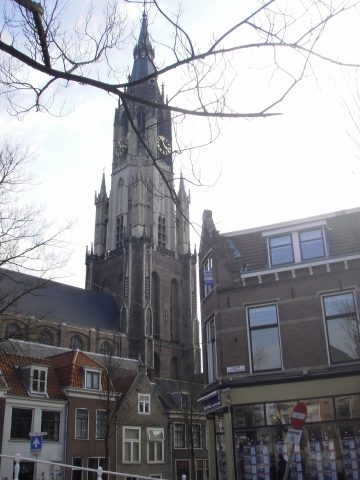
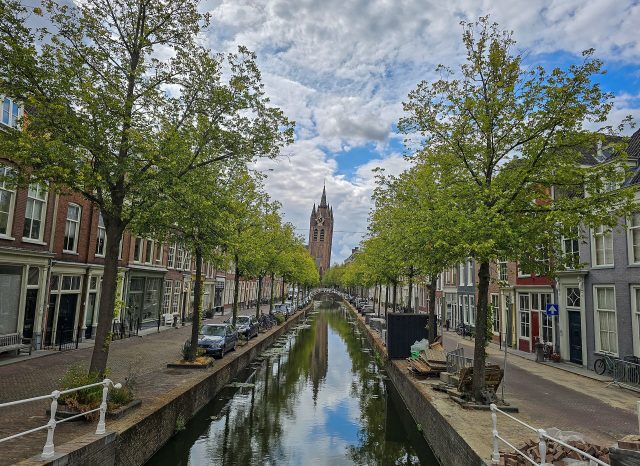
Delft itself is a city that rewards slow exploration. Its cobbled streets, crisscrossed by canals, feel like a living postcard, with the red-tiled roofs and gabled houses that Vermeer once painted still standing today. Prinsenhof fits seamlessly into this landscape, its understated presence adding depth to the city’s charm. After wandering through the museum’s galleries, stepping into the courtyard feels like stepping back in time. The stone walls, the play of light and shadow, the distant sound of a bicycle bell—it all comes together to create a sense of continuity, as if the past isn’t so much gone as layered beneath the present.
What makes Prinsenhof special is its ability to make history feel personal. You don’t need to be a scholar to appreciate the weight of a bullet hole in a wall or the delicate brushstrokes of a three-hundred-year-old painting. The museum doesn’t overwhelm with information or spectacle; instead, it invites curiosity. A faded map of seventeenth-century trade routes, a yellowed letter signed by William of Orange, a simple wooden chair—these objects don’t shout for attention, but they don’t need to. Together, they weave a tapestry of a time when the Netherlands was finding its place in the world, and Delft was at the heart of it all.
For anyone visiting Delft, Prinsenhof is more than just a stop on a tourist itinerary. It’s a place to pause, to look closely, and to listen to the stories that have shaped this small but significant corner of the Netherlands. Whether you’re drawn by the art, the history, or simply the chance to stand in a room where a nation’s fate was altered, the museum offers something rare: a connection to the past that feels immediate, human, and real.