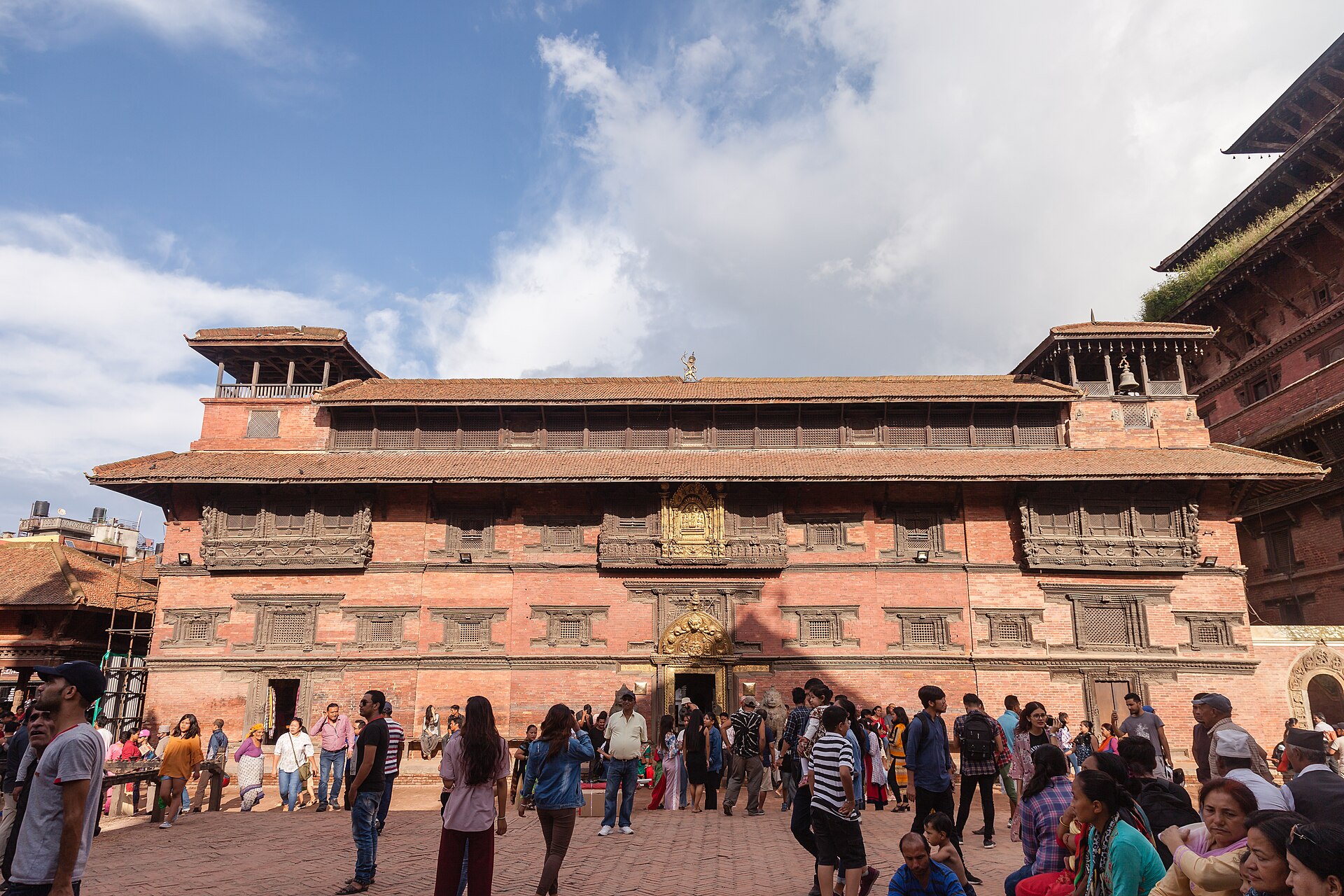
Patan Museum sits in the heart of Lalitpur, a city often called simply Patan, where the past isn’t just remembered—it’s lived. The building itself is a piece of history, once the royal palace of the Malla kings who ruled this part of the Kathmandu Valley from the 14th to the 18th century. Unlike modern structures built in haste, this palace grew slowly over generations, its walls absorbing the rituals, power struggles, and artistic flourishes of an era when craftsmanship and governance were inseparable. Walking through its courtyards, you don’t just see history; you step into it.
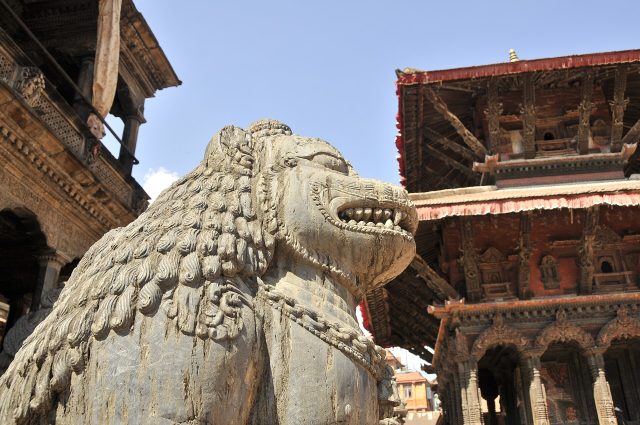
The architecture here is a language of its own. Intricate wooden windows, known as *tiki jhya*, frame the light in geometric patterns, while stone deities gaze down from the facades, their expressions serene yet watchful. These aren’t mere decorations but symbols of a worldview where the divine and the everyday intertwined. The Newars, the indigenous people of the valley, shaped this aesthetic, blending Buddhist and Hindu traditions into something uniquely their own. The museum preserves this legacy through its collection—bronze statues of gods and goddesses, ritual masks worn in sacred dances, and *thangkas*, the painted scrolls that serve as visual scriptures. Each piece carries the weight of devotion, crafted with a precision that feels almost devotional.
What sets Patan Museum apart is how it refuses to isolate its artifacts from their context. The exhibits aren’t locked behind glass in sterile galleries; they occupy the same spaces where kings once held court and monks meditated. In the central courtyard, Kva Bahal, a stone basin carved with lotus petals still holds the echoes of royal gatherings. The Bhimsen Hall houses a towering statue of the god of trade, his presence as imposing as it must have been centuries ago. Nearby, the Sudarshan wing displays masks used in religious dances, their painted faces frozen in expressions of myth and mystery. The building itself is part of the story, its worn wooden beams and sunlit courtyards telling as much as the objects on display.
The museum doesn’t try to be encyclopedic. Its focus is narrow—art and culture from the Kathmandu Valley—and that’s what makes it compelling. There are no grand, universal masterpieces here, just objects that speak to the lives of ordinary people: the tools they used, the gods they worshipped, the crafts they perfected. A wooden panel carved with a deity’s face might have once adorned a merchant’s home; a copper vessel could have held offerings in a temple ritual. These aren’t relics of a distant past but fragments of a living tradition. The museum’s strength lies in its specificity, in how it grounds you in the details of a place rather than sweeping you up in grand narratives.
Beyond its walls, Patan is a city where the past isn’t confined to museums. In the narrow lanes around the palace, workshops still hum with the sound of chisels shaping bronze into deities and gold into delicate filigree. Some of these artisans are descendants of the same families who crafted the pieces now displayed in the museum, their skills passed down through generations. Occasionally, the museum hosts demonstrations, offering a glimpse into these age-old techniques. It’s not a performance for tourists but a continuation of a way of life, one where the line between past and present blurs. The city itself feels like an extension of the museum, its streets lined with carved windows, hidden shrines, and ancient wells that once served as communal gathering spots.
Lalitpur’s identity is deeply tied to its heritage, and the museum plays a quiet but vital role in preserving it. For much of the 20th century, many of the valley’s historic sites fell into disrepair, neglected in the rush toward modernization. The restoration of Patan’s royal palace and its transformation into a museum in the late 1990s marked a turning point. Supported by international efforts, the project wasn’t about freezing the building in time but giving it new purpose. There are no velvet ropes or stern warnings here—just an invitation to wander, to touch the cool stone of a centuries-old pillar or trace the lines of a carving with your fingers. The space feels alive, not like a mausoleum but a place where history is still unfolding.
Time moves differently inside these walls. The museum is rarely crowded, and the silence is broken only by the creak of wooden floors or the distant murmur of voices in the courtyards. It’s the kind of place where you might linger for hours, deciphering the symbols on a *thangka* or studying the intricate patterns of a bronze statue. Sometimes, a group of schoolchildren will file in, their chatter echoing through the halls, or a monk will pause before a statue, his lips moving in silent prayer. There’s no rush here, no pressure to see everything at once. The museum asks for patience, for the kind of attention that lets you notice the way light falls on a carved doorway or how the air smells of old wood and incense.
What makes Patan Museum special isn’t just its collection but how it connects the past to the present. It’s a reminder that culture isn’t something static, locked away in glass cases—it’s something that lives in the hands of the artisans still shaping metal and wood, in the rituals performed at neighborhood shrines, in the stories passed down through generations. Lalitpur embodies this continuity. The city hasn’t erased its history in the name of progress; instead, it wears it like a second skin. The museum isn’t just a repository of artifacts but a bridge, one that lets you step into a world where the past isn’t gone—it’s still being made.