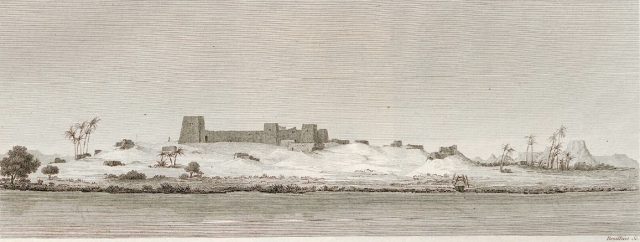
Faras is one of those quiet places that history seems to have almost forgotten, tucked away in northern Sudan where the Nile flows as it has for millennia. It’s not a name you’ll find on most travel itineraries, and that’s part of its charm. The town itself is small, with little to mark its presence beyond the slow rhythm of life along the riverbank. Yet beneath its unassuming surface lies a past that connects some of the most fascinating chapters of early African Christianity. The Nubian Museum here isn’t just a collection of relics—it’s a doorway into a world that nearly vanished beneath the waters of an artificial lake, saved at the last moment by archaeologists who recognized its value.
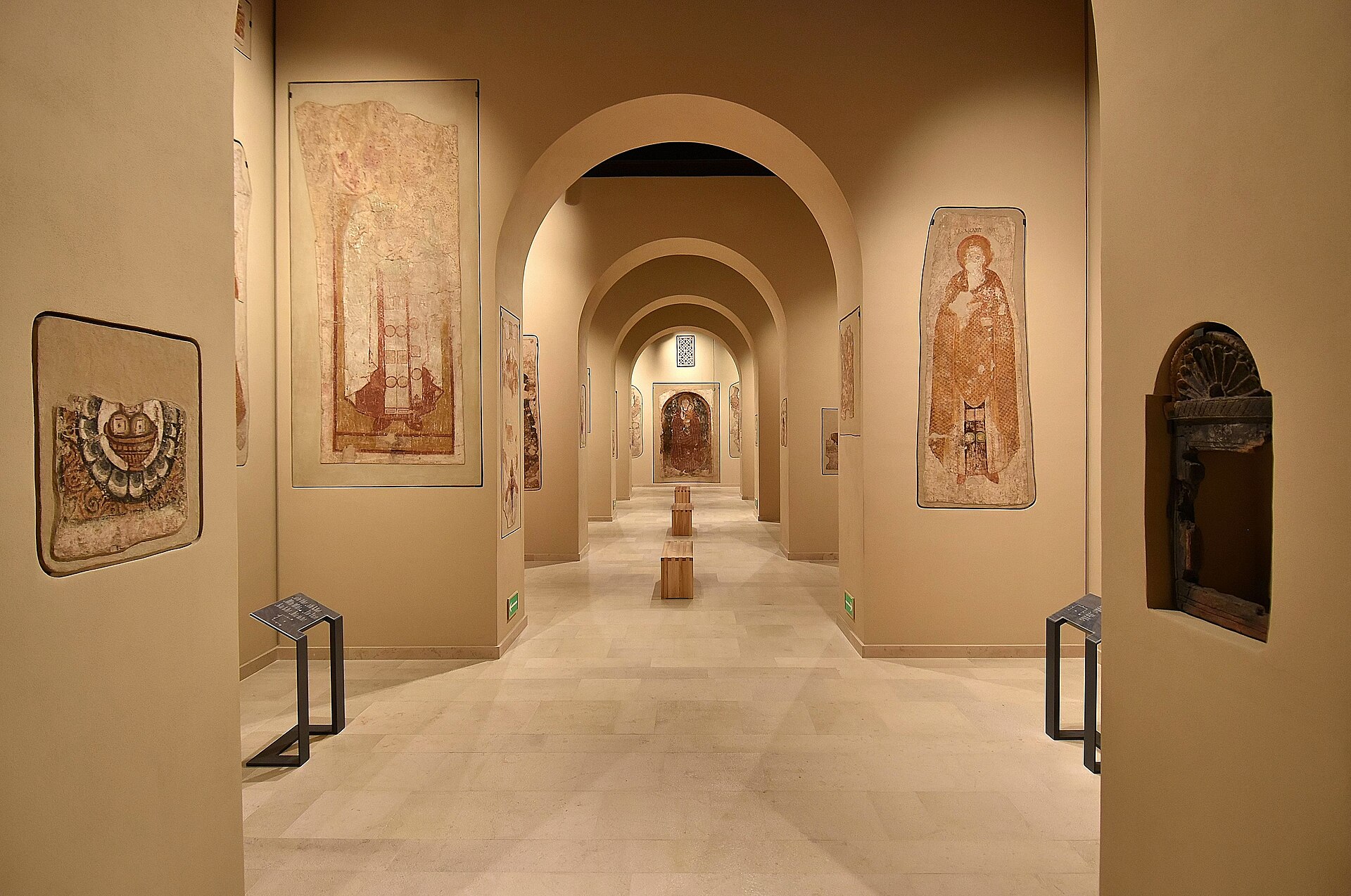
The story of Faras and its museum begins with a crisis. In the 1960s, the construction of the Aswan High Dam in Egypt threatened to submerge dozens of ancient sites along the Nile, including this once-thriving Nubian settlement. Among the discoveries made during the frantic rescue excavations was a Christian cathedral, its walls covered in vibrant frescoes dating from the 7th to the 14th centuries. These paintings were unlike anything seen before in the region—a blend of Byzantine techniques and distinctly Nubian sensibilities, depicting saints, biblical scenes, and local figures in a style that felt both familiar and entirely unique. The international team, led by Polish archaeologists, worked quickly to document and preserve what they could, transferring some of the most significant frescoes to the museum where they remain today.
Walking through the museum’s modest galleries, it’s easy to forget you’re in a place that was almost lost forever. The frescoes dominate the space, their colors still striking despite the centuries. Some show Christ in majesty, others depict saints with dark skin and features that reflect the local population. The scenes are often simple, almost folk-like in their execution, yet they carry a profound sense of devotion. These weren’t just religious images—they were part of daily life, integrated into the rhythms of a community that saw faith as something lived, not just preached. Alongside the paintings, you’ll find everyday objects: pottery, tools, and fragments of inscriptions in Greek, Coptic, and Old Nubian, each piece adding another layer to the story of Faras and its people.
Faras wasn’t just another town in medieval Nubia—it was one of its spiritual and cultural centers. From the 6th to the 14th century, this region flourished as a crossroads between Africa and the Mediterranean, absorbing influences from Byzantium, Egypt, and local traditions. The cathedral at Faras, built in the 7th century and expanded over time, was more than a place of worship. It was a symbol of the kingdom’s identity, adapting to political and religious shifts while maintaining its distinct character. The frescoes, in particular, reveal how Christianity took root here, merging with older beliefs and customs. Some scenes include elements that wouldn’t be found in European churches of the same period, hinting at a faith that was deeply personal and locally grounded.
What makes the museum in Faras so compelling isn’t just the quality of its artifacts, but the sense of intimacy they convey. There are no grand narratives here, no sweeping historical epics—just fragments of a life that once was. The stone inscriptions, the worn edges of the frescoes, the simple tools and jewelry all speak to a community that thrived for centuries before fading into obscurity. Outside the museum, the landscape hasn’t changed much. The Nile still flows lazily past, the desert stretches endlessly, and the silence is broken only by the occasional call of a bird or the murmur of the wind. It’s a place where time feels suspended, where the past isn’t just remembered but somehow still present.
For most travelers, Sudan remains a destination for the adventurous, a place where ancient history is still being uncovered. Faras is a perfect example of why that history matters. It wasn’t a major power like Egypt or Axum, nor was it a bustling trade hub like Meroë. Instead, it was a quiet corner of the world where people lived, worshipped, and created art that reflected their unique place in history. The Nubian Museum here doesn’t try to compete with the grand temples or pyramids elsewhere in the country. It doesn’t need to. Its strength lies in its authenticity, in the way it preserves not just objects, but the spirit of a people who left their mark on the world in ways that are only now being fully appreciated.
Visiting Faras today is a reminder of how fragile history can be. Without the efforts of those archaeologists in the 1960s, these frescoes and artifacts might have been lost beneath the waters of Lake Nasser, another casualty of progress. Instead, they offer a rare glimpse into a chapter of African history that is often overlooked. For anyone interested in the early spread of Christianity, the cultural exchanges between Africa and the Mediterranean, or simply the quiet resilience of small communities, the museum in Faras is a revelation. It’s not a place you’ll find in guidebooks, and that’s precisely why it feels so special—a hidden corner of the world where the past isn’t just preserved, but still alive.