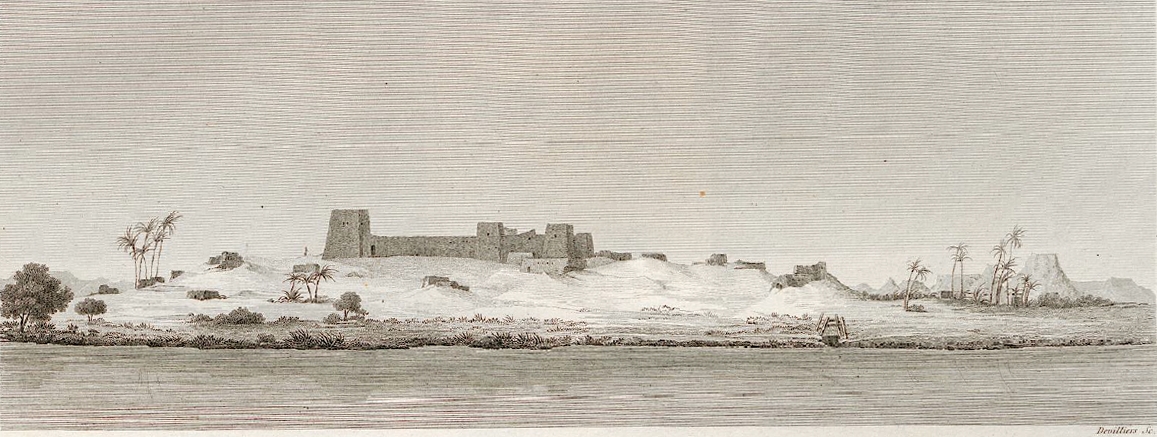
Faras feels like a place suspended in time, tucked along the banks of the Nile in northern Sudan. The scorching sun beats down on the same hills and endless sands where the ancient kingdom of Nubia once thrived. What remains today are ruins, but even these fragments carry a story as rich and dramatic as any from Egypt. Among them, the fortress of Faras stands out—a structure that has served as a military stronghold, a religious center, and a symbol of power across centuries.
Perched on a low hill, the fortress overlooks the Nile’s gentle curve. Its walls, built from massive stone blocks, were once impenetrable, though time and conflict have worn them down. Some towers now stand half-collapsed, a quiet reminder of how fleeting even the mightiest structures can be. Archaeologists believe the fortress was constructed between the 6th and 7th centuries, when this region was part of Christian Nubia. Back then, Faras was more than just a military outpost; it was a cultural and spiritual heart of the area.
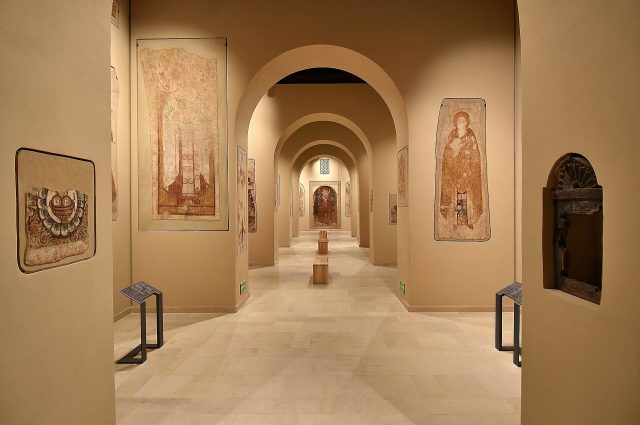
Inside the fortress once stood a grand cathedral, though today only fragments of mosaics and the bases of columns remain. These ruins are among the few traces of Nubia’s Christian past, long before Islam became the dominant faith in Sudan. The cathedral was adorned with frescoes depicting saints and biblical scenes, some of which survived and were later moved to museums. Locals still regard the site with reverence, though few remember the details of that distant era.
The fortress wasn’t always abandoned. Over the centuries, it changed hands many times—ruled by Nubian kings, Mamluks, Ottomans, and later Egyptian governors. Each new wave of conquerors left its mark on the architecture and culture. During the Ottoman period, mosques appeared, while older Christian churches were either destroyed or repurposed. Today, the ruins bear the layers of these different eras, from Byzantine columns to Arabic inscriptions on the walls.
Life around the fortress never truly faded. Even after Faras lost its strategic importance, people continued to settle nearby, using the ancient stones to build their homes. The Nile has always been the lifeblood of this region, and the village at the foot of the hill still depends on the river. Fishermen set out in boats at dawn, and women wash clothes along the shore, just as they have for generations. Time moves slower here than in the cities, and even the rare travelers who venture this far soon adjust to its unhurried rhythm.
Visiting the fortress of Faras isn’t just about seeing a historical site—it’s about stepping into a story that lingers in the air. Unlike the crowded temples of Luxor or the famous pyramids of Egypt, this place is quiet, untouched by mass tourism. There are no guides rushing you along or vendors selling trinkets. You can wander the ruins for hours, imagining the sound of church choirs or the processions of Nubian rulers passing through. When the sun sets over the Nile, the fortress glows in golden light, and for a moment, it feels as if time itself has paused.
Faras today is a quiet place, overlooked by many but still holding its own kind of magic. It’s not like the polished tourist destinations where everything is designed for convenience. There are no cafes, no souvenir shops, no signs pointing the way. Travelers who make it here must rely on their own curiosity and imagination. But that’s what makes Faras special—it offers a direct connection to history, unfiltered and unscripted.
The fortress isn’t just an architectural relic; it’s a living testament to Nubia’s ever-changing fate. It reminds us that even the most powerful civilizations eventually fade, leaving behind only stones and stories. Yet those stones carry the memories of people who lived, built, prayed, and fought here long before our time. And perhaps that’s why Faras still draws those who seek not just beauty, but meaning in their travels.