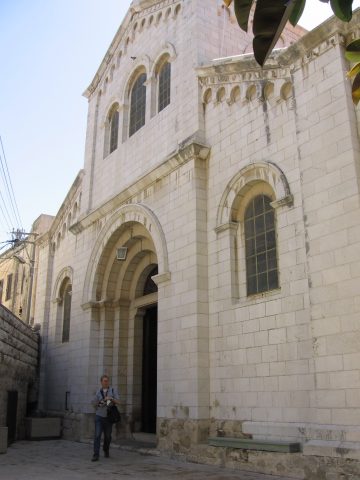
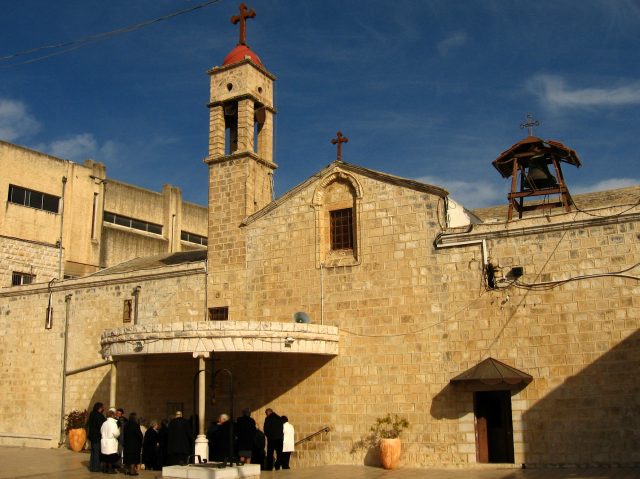
Nazareth is a city layered with time, and the Nazareth Museum offers a quiet way to peel back those layers. It doesn’t try to impress with grand halls or flashy displays. Instead, it gathers the small, unassuming things that once belonged to the people who lived here—clay pots, worn tools, fragments of fabric—and lets them speak. The museum sits in the heart of the old town, where the streets still curve along the same paths they did centuries ago. Walking through its rooms feels less like touring an exhibit and more like stepping into someone’s memory.
Long before it became the Nazareth we know today, this was a modest village tucked into the Galilean hills. Most people associate it with one famous resident, but the museum shows that life here began much earlier. Archaeological finds reveal a place where Canaanite, Jewish, and later Roman traditions overlapped. Simple pottery, farming tools, and the remains of stone houses suggest a community that was part of a wider world, yet distinct in its own way. The museum doesn’t focus on any single era; it traces how the city evolved, adapting to each new influence while holding onto its identity.
One of the most striking sections recreates daily life during the time of Jesus. The exhibits include rough stone houses with thatched roofs, the kind that would have sheltered families like his. There are clay lamps that flickered in the evenings, wooden plows that turned the soil, and scraps of fabric that hint at how people dressed. These aren’t just artifacts behind glass—they’re pieces of a world that feels almost tangible. The museum doesn’t claim to know every detail, but it invites visitors to imagine what it might have been like to live in a village where the rhythms of work, prayer, and family shaped each day.
By the Byzantine era, Nazareth had grown into a significant religious center, drawing pilgrims from across the Christian world. The museum’s collection from this period includes fragments of mosaics that once adorned churches, as well as everyday objects that show how the city changed. Later, under Ottoman rule, new layers were added—mosques, madrasas, and markets that reflected the shifting cultural landscape. The exhibits on crafts are particularly revealing: pottery, metalwork, and woodcarvings that were made here and sold throughout Galilee. These items don’t just represent trade; they show how Nazareth’s people shaped their environment and were shaped by it in return.
A separate section of the museum turns to the modern era, where Nazareth stands at the intersection of tradition and change. Photographs, documents, and personal items tell the story of the city in the 20th and 21st centuries. No longer a quiet village, it has become a bustling hub where Christians, Muslims, and others live side by side. The museum doesn’t shy away from the complexities of this history—the British Mandate, the conflicts that have marked the region, or the ways these events have left their mark on the city. It presents these moments not as dramatic turning points, but as part of the ongoing narrative of a place that has always been more than one thing.
What makes the Nazareth Museum different is its refusal to simplify. It doesn’t offer a single version of history or a neatly packaged story. Instead, it lays out the fragments—objects, images, and ideas—and lets visitors piece them together. There are no grand declarations here, just a quiet acknowledgment of how the past shapes the present. The museum doesn’t claim to have all the answers, but it asks the right questions: How did this city endure? What has remained constant, and what has changed? How do the lives of ordinary people weave into the larger tapestry of time?
Walking through the museum, it’s easy to forget that Nazareth is often seen as a symbol first and a city second. Here, it feels like a real place, with all the messiness and beauty that implies. The streets outside are still alive with the sounds of markets, the calls to prayer, and the hum of daily life. The museum doesn’t just preserve the past; it connects it to the present, showing how the city’s history is still being written. The objects on display aren’t relics of a distant time—they’re echoes of lives that continue to resonate in the way Nazareth moves forward.
In the end, the museum isn’t about grand monuments or famous names. It’s about the quiet persistence of a place that has seen empires rise and fall, yet remains. The clay pots, the stone walls, the faded fabrics—these are the things that tell the real story. They remind us that history isn’t just about the people we remember; it’s about the countless others who lived, worked, and passed through these streets, leaving behind traces that are easy to overlook but impossible to erase. The Nazareth Museum doesn’t just show you the city’s past. It helps you feel it.