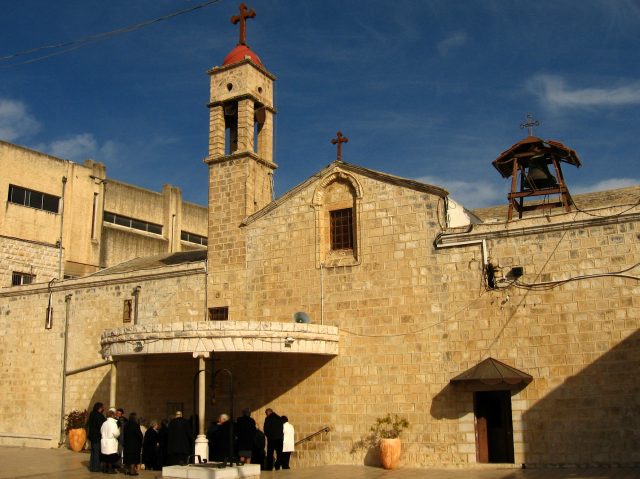
Nazareth is a place where history feels tangible, where the past lingers in the quiet corners of its winding streets and the warm stone of its buildings. Among these, the Church of St. Joseph stands as a quiet witness to the early years of Christianity, a place that carries the weight of tradition without demanding attention. Tucked away in the heart of the city, just steps from the grand Basilica of the Annunciation, it offers a different kind of experience—one of reflection rather than spectacle.
The church is built over what is believed to be the workshop of Joseph, the carpenter and husband of Mary, where Jesus spent his childhood. Beneath the modern structure, archaeologists have uncovered remnants of ancient walls, water cisterns, and fragments of mosaics dating back to the early centuries. These findings suggest a modest household, a place where daily life unfolded in simplicity. The crypt beneath the church allows visitors to descend into this past, where the rough stone and dim light evoke the atmosphere of a home that once sheltered a family whose story would shape the world.
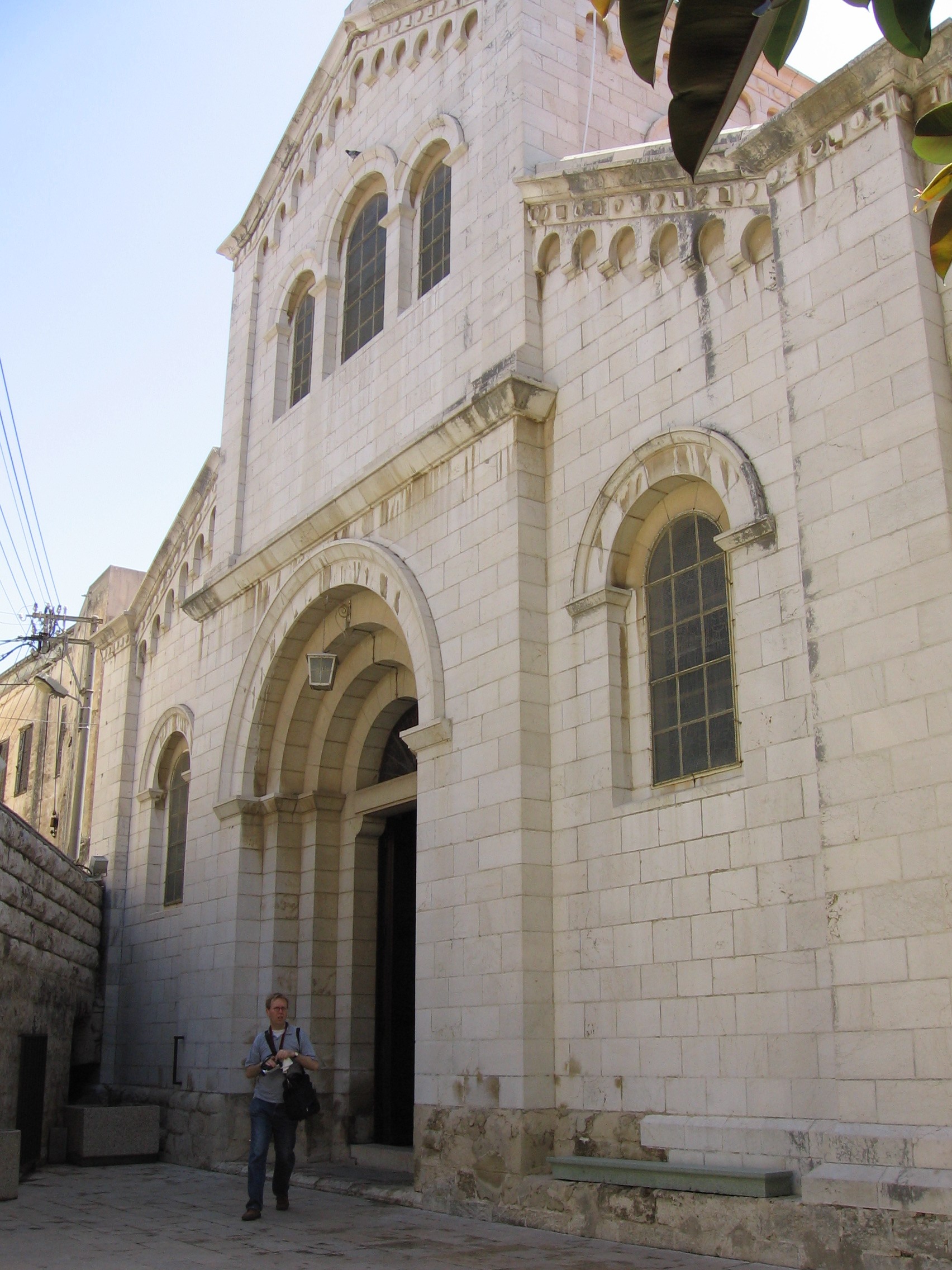
The current building was constructed in the late 19th century by the Franciscans, who sought to preserve the sacred sites of Nazareth. Its architecture blends Gothic influences with local traditions—tall, narrow windows, thick stone walls, and a facade that is understated yet striking. Inside, the church is uncluttered, its walls adorned with frescoes depicting scenes from Jesus’ life in Nazareth. The altar, dedicated to the Holy Family, draws the eye, but it is the crypt that holds the deepest resonance, offering a direct connection to the place where history and faith intersect.
Unlike the bustling Basilica of the Annunciation, the Church of St. Joseph is a place of quiet. There are no crowds here, no hurried footsteps or raised voices. Instead, visitors often find themselves alone with their thoughts, sitting in the cool stillness of the nave or kneeling in prayer. The thick stone walls, which have stood for centuries, create a sense of timelessness, insulating the space from the noise of the outside world. In summer, the air inside remains cool; in winter, the warmth lingers, as if the building itself breathes with the rhythms of the land.
Nazareth is a city where different worlds coexist. The church sits in the midst of a predominantly Muslim neighborhood, where the call to prayer drifts from nearby minarets and the scent of spices and freshly baked bread fills the air. Small shops line the streets, selling olive oil, za’atar, and sweets that have been made the same way for generations. This blending of traditions is not unusual in Nazareth—it is simply how life has unfolded here for centuries. The church, with its Christian heritage, stands as part of this tapestry, a reminder that faith and culture are not monolithic but layered, evolving side by side.
The Church of St. Joseph is not just a relic of the past; it remains an active place of worship. Masses are held regularly, often in multiple languages, and visitors are welcome to join, regardless of their beliefs. The doors are open to anyone seeking a moment of peace, a connection to history, or simply a respite from the outside world. For pilgrims, it is often the final stop in Nazareth, a place to reflect after visiting the Basilica of the Annunciation, where the story of Jesus’ early life began.
For those interested in the roots of Christianity, the church offers a rare glimpse into the everyday world of the first century. The ruins beneath it are not grand or ornate, but that is precisely what makes them compelling. They speak of a time when faith was not yet a global phenomenon but a quiet, personal journey. The simplicity of the place is its strength—it does not overwhelm with grandeur but invites contemplation, allowing each visitor to find their own meaning in its walls.
Nazareth does not reveal itself easily. It requires patience, a willingness to look beyond the obvious, and the Church of St. Joseph is one of those places where that effort is rewarded. There are no flashy displays or dramatic narratives here, just the quiet persistence of history. It is a place that does not seek to impress but simply endures, holding within its stones the memories of a family, a faith, and a city that has seen centuries unfold. For those who take the time to listen, it offers something far more valuable than spectacle—it offers a sense of continuity, a thread connecting the past to the present.