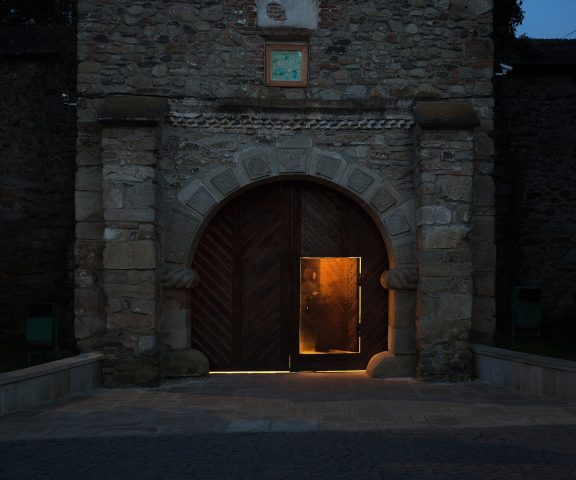
The Museum of Bukovinian Folk Traditions and Customs in Cajvana feels like a place where time has quietly settled into the rhythm of the past. Tucked away in the heart of Bukovina, a region known for its rolling hills and deep-rooted heritage, the museum offers more than just a glimpse into rural life—it preserves the very essence of a way of living that has endured for centuries. There’s no rush here, no hum of modern distractions, only the quiet presence of wooden houses, the faint scent of dried herbs, and the sense that the past is still lingering just around the corner.
The museum itself is built in the traditional Bukovinian style, blending seamlessly with the landscape it represents. Its architecture mirrors the old peasant homesteads of the region, with low ceilings, intricately carved window frames, and wide courtyards that once served as the center of family life. Inside, the rooms are arranged to recreate the interiors of different social classes—from prosperous farmers to craftsmen and shepherds. Every object, whether a loom, a clay pot, or an embroidered towel, tells a story of daily life, of hands that shaped them and homes they once filled.
One of the most striking collections is the display of traditional clothing. Bukovinian costumes are renowned for their vibrant colors and elaborate patterns, each motif carrying its own meaning. Women’s blouses, embroidered with geometric designs, heavy woolen shawls, and men’s vests adorned with intricate stitching—these are not just garments but works of art that reflect the worldview, beliefs, and connection to nature of the people who wore them. The museum showcases both festive attire and everyday wear, offering a glimpse into how clothing adapted to seasons, labor, and rituals.
The tools and crafts on display reveal another layer of Bukovinian life. Here, you’ll find the implements of potters, blacksmiths, carpenters, and weavers—objects that were once indispensable to every household. The wooden items are particularly remarkable: chests carved with elaborate designs, spinning wheels, and utensils that bear the marks of patient, skilled hands. These pieces were not just functional; they were made with care, often passed down through generations, and today they serve as a reminder of a time when craftsmanship was a way of life.
What sets this museum apart is its effort to keep traditions alive. Visitors can participate in workshops where local artisans teach age-old skills like weaving, embroidery, or pottery. These sessions are more than just demonstrations; they’re an invitation to engage with the past, to understand the techniques and stories behind each craft. For many, it’s a rare opportunity to step away from the digital world and reconnect with the tactile, hands-on work that once defined rural existence.
The museum’s courtyard is a microcosm of a Bukovinian village. Here, you’ll find a windmill, a well with a traditional lever, old carts, and even a small chapel—elements that once formed the backbone of rural life. In the warmer months, the courtyard comes alive with folk festivals, music, and dancing, offering visitors a chance to experience the communal spirit of old celebrations. It’s a space where history isn’t just observed but felt, where the boundaries between past and present blur.
Bukovina has always been a crossroads of cultures. Over the centuries, Romanians, Ukrainians, Germans, Jews, and others have lived side by side, each contributing to the region’s unique identity. The museum in Cajvana doesn’t focus on divisions but on what these communities shared—their crafts, their stories, and their way of life. It’s a place where the diversity of Bukovina’s heritage is celebrated, not as a relic of the past, but as something that still resonates today.
A visit here is more than a tour; it’s a journey into a world that has largely faded. In an age where globalization often smooths out differences, places like this museum become all the more precious. They remind us that every culture has its own rhythms, its own ways of making sense of the world. The Museum of Bukovinian Folk Traditions and Customs isn’t just a collection of artifacts—it’s a living archive, one that continues to grow, to teach, and to preserve the stories of those who came before. Whether you spend an hour or a day, you’ll leave with a deeper appreciation for the quiet resilience of tradition.