The Loch Ness Centre in Drumnadrochit isn’t just another museum about a myth—it’s a place where curiosity and legend collide, where the story of the world’s most famous lake monster is explored with equal parts wonder and skepticism. This isn’t about proving or debunking Nessie; it’s about understanding why this tale has endured for generations, captivating imaginations far beyond the misty shores of Scotland. The museum itself is modest in size, but its exhibits are carefully crafted to pull visitors into the mystery, layer by layer, without rushing to conclusions.
The collection here has been decades in the making, though the museum itself is relatively young. You’ll find everything from grainy photographs that once shocked the world to scientific reports attempting to explain them. There are interactive displays that let you sift through evidence, listen to eyewitness accounts, and even try your hand at interpreting sonar readings. The exhibits don’t push an agenda—they simply present the facts, the theories, and the folklore, leaving you to decide what to make of it all. It’s this balance between myth and inquiry that makes the experience feel more like a conversation than a lecture.
The building housing the museum is unassuming, blending quietly into the landscape of Drumnadrochit, a small village that feels worlds away from the tourist hustle. Inside, the space is designed to let you move at your own pace, with no crowds or pressure to hurry. The lighting is soft, the displays are thoughtfully arranged, and there’s a sense of stillness that encourages you to linger over the details. It’s the kind of place where you might find yourself standing in front of a single photograph for longer than you expected, lost in the possibilities.
Loch Ness is more than just a body of water—it’s a cultural landmark, a natural wonder, and a repository of stories that stretch back centuries. The museum does a good job of framing the lake within its broader context, from the ancient Picts who once lived along its shores to the Viking raids that shaped the region’s history. The exhibits touch on the geology of the Great Glen, the formation of the loch itself, and the unique ecosystem that thrives in its dark, peaty waters. There’s even a nod to the local traditions that have grown up around the lake, from folklore to crafts, giving visitors a sense of how deeply this place is woven into the fabric of Scottish life.
But the museum isn’t just about the past. It also invites you to consider the lake as it exists today—a living, breathing landscape that continues to inspire awe. Displays on the local wildlife, the changing seasons, and the way the loch has been shaped by both nature and human activity help ground the legend in reality. You leave with a better understanding of why Loch Ness feels so different from other lakes, why its depths seem to hold something just out of reach. The mystery of Nessie is only part of the story; the real magic lies in the way the lake itself seems to defy easy explanation.
After wandering through the exhibits, many visitors find themselves drawn to the water’s edge, as if hoping to catch a glimpse of something extraordinary. The loch is undeniably beautiful, its surface shifting with the light, its depths hiding secrets that no amount of sonar or scientific study has fully uncovered. Even if you don’t believe in monsters, it’s hard not to feel a sense of anticipation when you stand there, watching the ripples spread across the water. The museum doesn’t promise answers—it just makes you want to look a little closer.
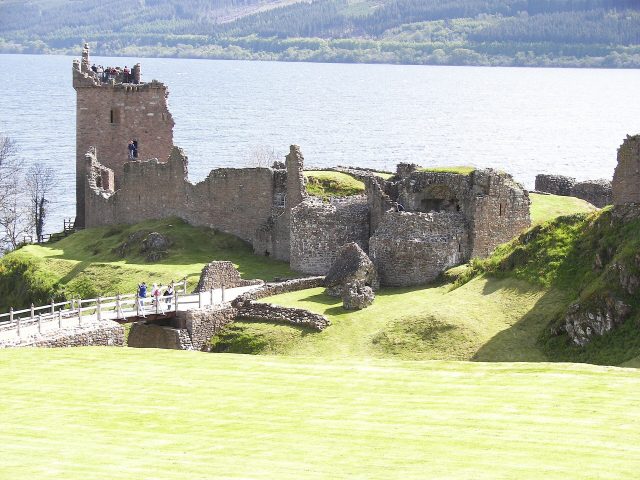
Drumnadrochit itself is a quiet gateway to the Highlands, a place where the pace slows and the landscape takes over. The museum is a natural starting point for exploring the area, whether you’re heading out on a hike, visiting nearby ruins, or simply soaking in the scenery. It’s not just about Nessie; it’s about the land that gave birth to the legend, the people who have lived with it, and the way a single story can shape a place. The exhibits don’t just tell you about Loch Ness—they make you feel its pull.
In the end, the Loch Ness Centre isn’t really about whether the monster exists. It’s about why we want to believe, why stories like this endure, and what they say about us. The museum doesn’t offer conclusions, just questions—and maybe that’s the point. It’s a place that invites you to think, to wonder, and to walk away with more curiosity than you arrived with. Whether you leave convinced, skeptical, or somewhere in between, the experience lingers, a quiet reminder of how myths take root and why they matter.