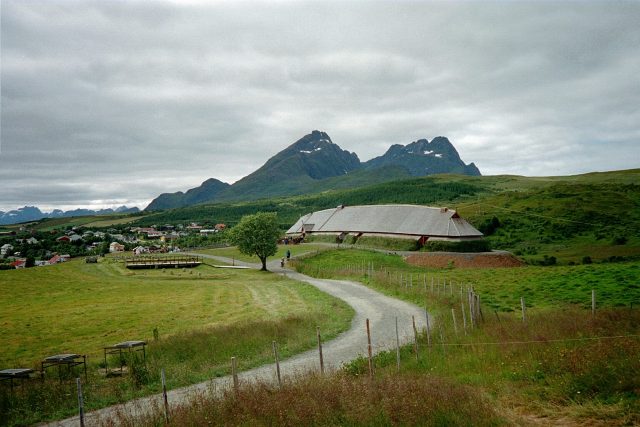
The Lofoten War Museum sits quietly in the small northern Norwegian town of Båstad, a place where the raw beauty of the Lofoten archipelago meets the weight of history. This is where the jagged peaks and icy waters of the Norwegian Sea once bore witness to some of the most intense and clandestine battles of World War II. The museum isn’t just a collection of relics; it’s a doorway into a time when these remote shores became a battleground for control over vital sea routes and the rich fishing grounds that sustained both armies and civilians alike.
Housed in a former German military headquarters, the building itself tells a story. Its thick walls, narrow windows, and reinforced doors were designed for defense, a stark contrast to the peaceful landscape outside. Inside, the exhibits pull you into the past through a mix of documents, photographs, and personal belongings that belonged to soldiers and locals. The displays don’t just recount battles—they reveal the human side of war, from the organized resistance efforts to the quiet acts of defiance by fishermen and farmers who risked everything to aid the Allies.
The Lofoten Islands have always been strategically important, but their significance skyrocketed during the war. These waters were a lifeline for Allied convoys supplying the Soviet Union, and the Germans were determined to cut off that supply. One of the most dramatic moments came in 1941 with Operation Claymore, a British commando raid that destroyed fish-processing plants supplying food to German forces. The museum dedicates considerable space to this operation, showing how a single, well-executed strike could shift the balance in the Arctic theater.
But the exhibits go beyond military strategy. They paint a vivid picture of daily life under occupation—how people coped with shortages, hid refugees and partisans, and clung to hope. The stories of local fishermen are particularly moving. Despite minefields and patrols, they continued to sail out, because fishing was the only way to feed their families. These accounts remind you that war isn’t just about grand battles; it’s also about the small, stubborn acts of survival that kept communities alive.
What makes the museum truly compelling is its focus on authenticity. Visitors can see original uniforms, weapons, and radio transmitters used by resistance fighters. There are personal diaries, letters, and even children’s drawings from the era—fragile pieces of history that humanize the conflict. One display features handmade toys crafted from scraps of wood or metal, a quiet testament to how war touched even the youngest lives. These details make the past feel immediate, almost tangible.
The surrounding landscape still bears the scars of war. Along the coast, you can find the remnants of German fortifications—concrete bunkers half-swallowed by grass, rusted anti-aircraft guns sinking into the earth. Locals occasionally uncover shell fragments or spent cartridges on the beaches, a stark reminder that the war wasn’t just a distant event but a lived reality that reshaped both the land and the people who called it home.
Today, the museum serves as more than a memorial. It’s a hub for education and reflection, hosting lectures, veteran talks, and temporary exhibitions that explore different facets of the war. For history enthusiasts, it’s a chance to dig deeper into how these events shaped modern Norway and why their legacy still resonates. The stories here aren’t just about the past; they’re about understanding how ordinary people faced extraordinary circumstances.
Visiting the museum leaves you with a mix of emotions. There’s a sense of reverence for those who fought and died, but also a sobering awareness of how fragile peace can be. The Lofoten Islands today are a place of breathtaking natural beauty, where the mountains and fjords seem untouched by time. Yet the museum ensures that the lessons of history aren’t forgotten. It’s a reminder that even in the most remote corners of the world, war leaves an indelible mark—and that remembering is the first step toward ensuring it doesn’t happen again.