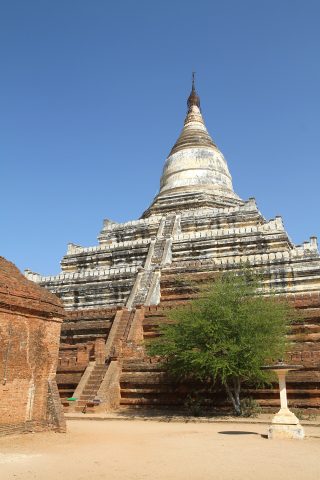
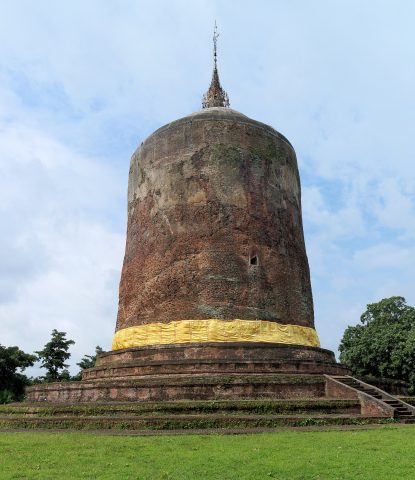
The Pyi Cultural and Historical Museum isn’t just another collection of artifacts behind glass—it’s a quiet invitation to step into the layered past of one of Myanmar’s most storied regions. Pyi, nestled along the Irrawaddy River, has long been a crossroads of trade, faith, and power. For centuries, it was a hub where merchants, monks, and rulers left their mark, shaping a city that still carries the echoes of its golden age. The museum, though modest in scale, preserves fragments of that legacy, offering a glimpse into the traditions and transformations that have defined Pyi over time.
The building itself is a subtle testament to the city’s colonial era. Constructed in the early 20th century under British rule, it blends local architectural sensibilities with European influences. High ceilings and wooden beams frame the space, while large windows soften the light, creating an atmosphere that feels both dignified and unhurried. The design is understated, allowing the exhibits to take center stage without distraction. There’s no clutter here—just a careful arrangement of objects that speak for themselves.
The museum’s collection spans key chapters of Pyi’s history, beginning with the medieval Pyu Kingdom, when the city was a center of Buddhist scholarship and craftsmanship. Artifacts from this period include intricately carved wooden panels depicting scenes from the Jataka tales, once part of temple decorations, as well as palm-leaf manuscripts and delicate ceramics. These pieces reflect a time when Pyi was not just a political power but a spiritual and cultural beacon, its influence radiating across the region.
Beyond the grand narratives of dynasties and kingdoms, the museum also preserves the smaller, everyday details of life in Pyi. Traditional textiles, jewelry, and tools reveal how daily existence has evolved—or in some cases, remained unchanged. A wooden loom, still used in rural villages, sits alongside lacquerware that has been crafted in the region for generations. These objects aren’t relics of a distant past; they’re part of a living tradition, one that continues in homes and workshops just beyond the museum’s walls.
A separate section is dedicated to the colonial period, when Pyi became part of British Burma. Photographs, documents, and personal effects from this era illustrate the collision of cultures—local customs adapting to foreign rule, and vice versa. Old maps, coins, and military artifacts hint at the administrative and social shifts that reshaped the city. It’s a reminder that Pyi’s identity has never been static; it has absorbed and reinterpreted outside influences while holding onto its own character.
The museum’s most moving exhibits are its Buddhist relics. Statues of the Buddha, ranging from ancient stone carvings to later bronze and wood figures, fill one of the galleries. Some were unearthed during excavations in the surrounding area, while others were rescued from crumbling temples. Each piece tells a story not just of artistic skill but of devotion—a faith that has been woven into the fabric of life in Pyi for centuries. The quiet reverence of the space makes it easy to imagine the hands that once placed offerings before these very statues.
This isn’t a museum for those seeking spectacle. There are no flashy displays or interactive installations, just a series of rooms where time seems to slow down. The value lies in the details: the worn edges of a centuries-old manuscript, the faint traces of pigment on a wooden panel, the way light falls on a bronze Buddha’s serene face. For travelers who want more than a cursory glance at Myanmar’s history, the museum offers a chance to linger, to absorb the weight of the past without hurry.
A visit here pairs naturally with a walk through Pyi itself. Unlike the bustling streets of Yangon or Mandalay, the city moves at its own unhurried pace. Wooden houses on stilts line narrow lanes, their facades weathered by time, while ancient pagodas rise above the treetops. The Irrawaddy River, just a short distance away, carries the same currents it has for centuries, its banks dotted with fishermen and farmers. After the museum, the local market is worth a stop—vendors still sell handwoven textiles and lacquerware, just as they have for generations. A stroll along the riverbank at dusk, watching the light fade over the water, completes the sense of stepping into a world that has endured, largely unchanged.
The Pyi Cultural and Historical Museum doesn’t claim to tell the whole story of the city. Instead, it offers something more intimate: a chance to connect with the rhythms of life that have shaped Pyi over the centuries. It’s a place for those willing to look closely, to listen to the quiet voices of the past. For anyone who sees travel as more than sightseeing, it’s a rare opportunity to glimpse the soul of a place.