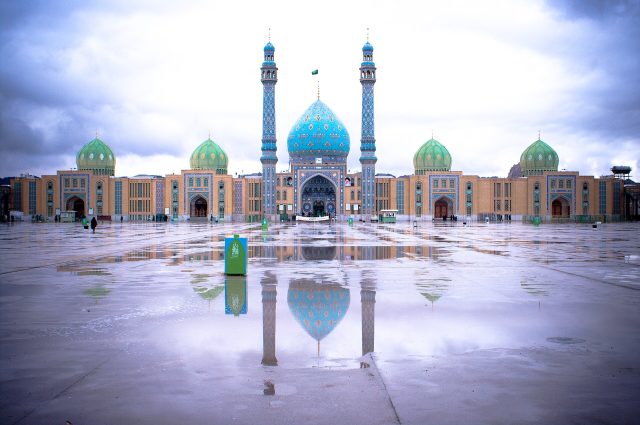
Qom’s Quran Museum is a place where the sacred text of Islam takes physical form, bridging the gap between spiritual tradition and tangible artistry. Nestled in one of Iran’s most important religious cities, Qom has long been a center of theological study and devotion, its streets echoing with prayers and scholarly debates. The museum offers a different perspective on the Quran—not just as a holy scripture, but as a cultural artifact shaped by centuries of craftsmanship and reverence.
The collection spans manuscripts from different eras, from early medieval copies to those created in more recent centuries. Some are fragments of parchment or paper, adorned with intricate calligraphy and delicate miniature paintings. A few stand out for their sheer scale: tiny, pocket-sized editions that could be held in one hand, and massive folios so large they would have required multiple people to lift. Many were crafted by renowned calligraphers whose names have endured in the history of Islamic art, their work reflecting the evolving styles and techniques of their time.
The museum building itself is a quiet testament to Persian architectural tradition. Located in Qom’s old quarter, where narrow alleys and mud-brick houses preserve the atmosphere of centuries past, the structure blends seamlessly with its surroundings. High vaulted ceilings, carved wooden doors, and inner courtyards with fountains create a sense of timelessness. Inside, the design is understated, allowing the manuscripts to take center stage, though the soft glow of stained glass and the careful arrangement of exhibits reflect a deep respect for the objects on display.
For many visitors, the museum is more than a collection of artifacts—it’s a space for reflection. The manuscripts reveal how calligraphic styles shifted over time, how materials changed from parchment to paper, and how the art of illuminating the Quran evolved. Some displays include notes on the historical context of their creation, whether under the patronage of rulers during the height of the caliphate or in the modest workshops of ascetics. These details underscore how deeply the Quran is woven into the fabric of Iranian and Shia culture.
As the spiritual heart of Shia Islam, Qom gives the museum’s collection a particular resonance. Many of the manuscripts bear the marks of Shia tradition, some featuring scholarly commentaries, others adorned with depictions of holy sites or scenes from the lives of the imams. For pilgrims and the faithful, these pieces are not just historical relics but objects of veneration, symbols of an unbroken spiritual lineage.
Beyond the manuscripts, the museum offers a glimpse into the craftsmanship behind them. Tools used by scribes—reed pens, ink pots, sharpening knives—are displayed alongside examples of ornate leather bindings, some embossed or gilded. These artifacts highlight the skill and labor involved in producing even a single copy of the Quran. Occasionally, the museum hosts calligraphy workshops, where visitors can try their hand at writing Arabic script under the guidance of a master.
A visit to the museum also provides a window into Qom’s way of life. The city moves at its own unhurried pace, where modernity and tradition coexist without tension. After exploring the exhibits, one might wander through the bazaar, where vendors sell prayer beads, rugs, and old coins, or stop in a teahouse where locals gather over steaming glasses of tea. Qom isn’t a tourist destination in the conventional sense, and that’s part of its charm—everything here revolves around spiritual life, and the Quran Museum feels like a natural extension of that.
For those curious about Islamic history or the intersection of faith and art, the museum leaves a lasting impression. There’s no rush, no forced narrative, just the quiet hush of the galleries and the sense of standing in the presence of something greater than a mere collection of old books. It’s why the museum draws not only the devout but also those who appreciate beauty and craftsmanship preserved across generations.