The Viking Ship Museum in Hillerød is one of those rare places where history doesn’t just sit behind glass—it breathes, creaks, and almost seems ready to set sail. Tucked away in a quiet corner of Denmark, about half an hour from Copenhagen, the museum holds a collection that does more than display artifacts. It reconstructs an era when the sea was both a highway and a battleground, and when Danish ships carried warriors, traders, and explorers across half the known world.
At the heart of the museum are five original Viking ships, discovered in the early 20th century at the bottom of Roskilde Fjord. These weren’t just abandoned vessels; they were deliberately sunk in the 11th century to block the channel and protect the nearby town from seaborne attacks. Over time, the cold, oxygen-poor waters preserved the wood remarkably well, giving archaeologists an almost intact record of Viking shipbuilding. The most striking of these is the Skuldelev 2, a longship built for speed and war. Stretching nearly 30 meters, its slender hull and low profile made it perfect for swift raids, capable of carrying up to 60 warriors. Standing beside it, you can almost hear the shouts of the crew and the snap of the sail in the wind.
But the museum isn’t just about the ships themselves. It’s about the people who built them, sailed them, and relied on them for survival. The exhibits include everyday objects—tools, cooking utensils, weapons, and jewelry—found during excavations. There are reconstructions of workshops where sails were stitched, wood was carved, and metal was forged, all using techniques that haven’t changed much in a thousand years. One of the most fascinating displays shows how Vikings navigated without compasses, using the sun, stars, and even the flight patterns of birds to cross the Atlantic long before Columbus. It’s a reminder that these weren’t just raiders; they were skilled seafarers who understood the sea in ways that still feel almost mystical.
What makes the museum truly special is its hands-on approach. During the warmer months, visitors can try their hand at traditional crafts, from blacksmithing to rope-making, under the guidance of skilled artisans. Nearby, a working shipyard builds exact replicas of Viking ships using the same tools and materials as their ancestors. Sometimes, these vessels are launched into the fjord, and you can watch them glide across the water, powered by oars or wind. It’s one thing to see a ship in a museum; it’s another to see it come alive, cutting through the same waters it was designed for a millennium ago.
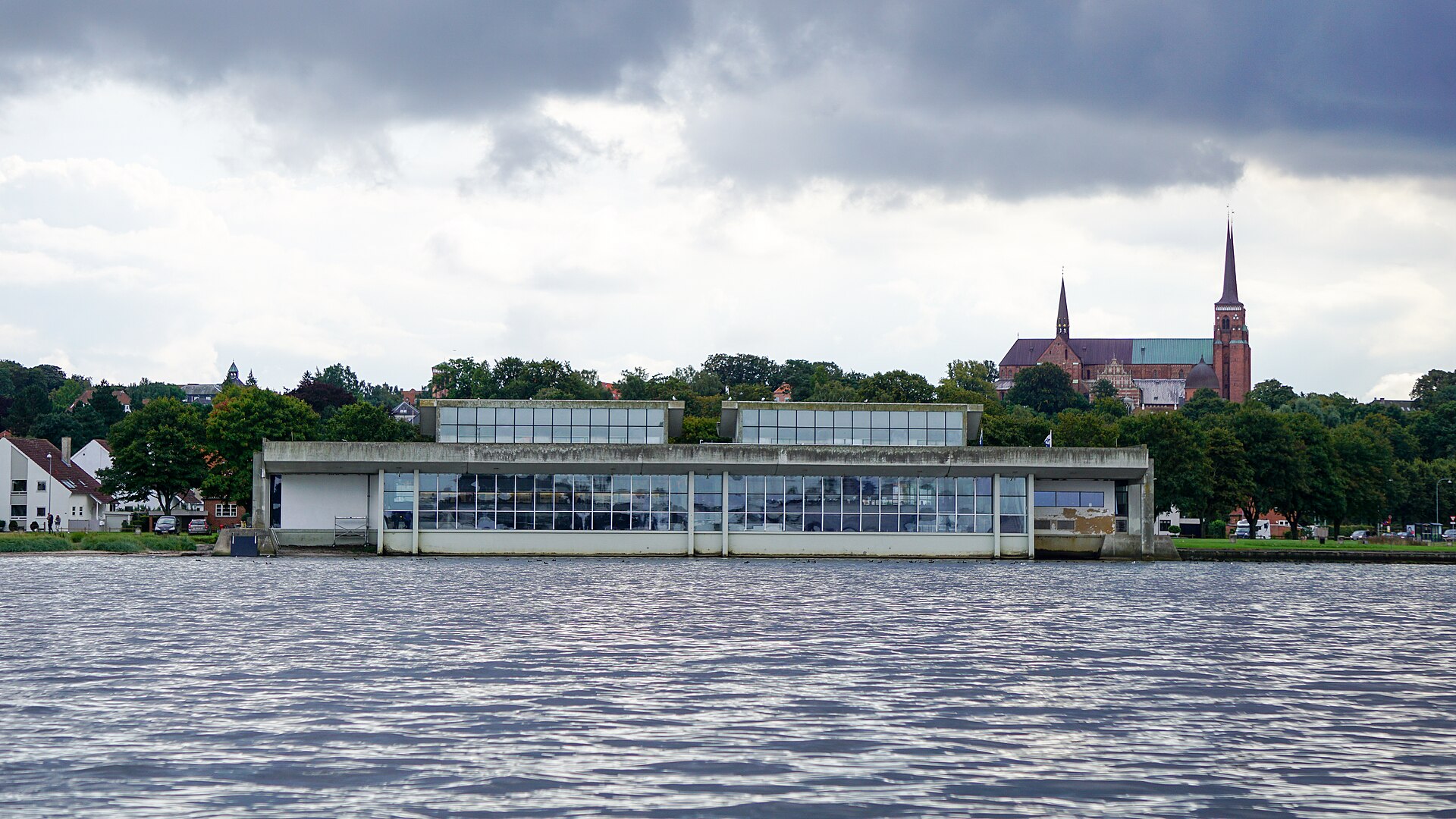
The museum’s architecture plays a quiet but important role in the experience. The modern building, designed by Danish architects, blends seamlessly with the landscape, its large windows flooding the exhibits with natural light. There are no barriers between the visitor and the ships, allowing you to walk around them, touch the wood (where permitted), and appreciate their scale. The view of Roskilde Fjord from the museum’s windows is almost cinematic—it’s easy to imagine these ships setting off on a voyage, their sails disappearing into the horizon.
For those who want to dive deeper, the museum houses a library and archive filled with research papers and historical documents. Lectures and seminars are held regularly, where historians and archaeologists share new findings about Viking culture, trade routes, and shipbuilding techniques. The museum collaborates with universities and research institutions, ensuring that its collection grows and evolves. It’s a place where scholars and casual visitors alike can engage with history in a way that feels both personal and profound.
What sets this museum apart is its refusal to romanticize the past. The Vikings weren’t just fierce warriors or mythical heroes; they were practical people who built ships that could cross oceans, established trade networks from North America to the Middle East, and adapted to the harsh realities of their world. The museum presents them as they were—skilled, resourceful, and deeply connected to the sea. There’s no grand narrative here, just the quiet power of objects that have survived centuries, telling their own stories.
Visiting the Viking Ship Museum isn’t like walking through a typical historical exhibit. It’s more like stepping into a living chapter of Denmark’s past. The ships, the tools, the workshops—they all feel tangible, as if the people who used them might walk in at any moment. And in a way, they do. The knowledge passed down through generations of shipbuilders, the techniques still used today, the very wood of the ships themselves—it all carries the echoes of a time when the sea was both a challenge and a promise. Standing there, looking out at the fjord, it’s not hard to imagine those ships setting off into the unknown, carrying the hopes of those who stayed behind.