The Konak Museum in Vidin is one of those rare places where time seems to stand still, preserving the layers of a city’s past within its walls. Built in the late 18th century, when Vidin was a key administrative hub of the Ottoman Empire in northern Bulgaria, the building originally served as the residence of local governors. The word *konak* itself, borrowed from Turkish, refers to an official dwelling—a place where power was exercised and decisions that shaped the region were made. Today, it remains more than just a museum; it’s a tangible connection to an era when Vidin was a crossroads of empires, cultures, and conflicting ambitions.
The architecture of the Konak reflects the Ottoman influence that defined much of Bulgaria’s history, yet it also carries distinct local touches. The two-story structure, with its thick stone walls and wooden balconies, was designed to impress and endure. The façade is adorned with intricate carvings, while the windows are framed by traditional Balkan moldings, hinting at the craftsmanship of the period. Inside, the high ceilings and spacious halls evoke the grandeur of a time when these rooms hosted governors, diplomats, and merchants. Now, they house exhibits that trace Vidin’s evolution from antiquity to the end of Ottoman rule, offering visitors a glimpse into the forces that shaped the city.
The museum’s collection spans centuries, with each room dedicated to a different chapter of Vidin’s history. One hall displays archaeological finds—coins, pottery, and weapons unearthed in the region—while another focuses on the medieval period, when the city was part of the Second Bulgarian Empire before falling under Ottoman control. The 19th century, however, takes center stage, particularly the era of Bulgaria’s National Revival, when Vidin became a hotbed of resistance against Ottoman rule. Here, visitors can see documents, photographs, and personal belongings of those who fought in the April Uprising, a reminder of how deeply the struggle for independence resonated in this corner of the Balkans.
What makes the Konak unique is its ability to bring history to life. Some rooms have been restored to reflect different periods, from an Ottoman-era study with low divans and copper trays to the modest workshop of a 19th-century Bulgarian artisan. These recreations allow visitors to step beyond the glass cases and imagine the daily lives of the people who once walked these halls. The museum doesn’t just present artifacts; it invites you to consider the conversations that took place here, the deals that were struck, and the tensions that simmered beneath the surface. For those interested in the interplay between the Ottoman and Austro-Hungarian empires, the Konak offers a rare window into how these influences shaped life in a borderland city.
Vidin has always been a place of transitions—geographical, cultural, and political—and the Konak embodies that fluidity. Over the centuries, it has hosted rulers, traders, and soldiers from across Europe and beyond. The exhibits include items that arrived in Vidin through trade routes stretching to Asia, as well as maps and documents illustrating the shifting borders of the region. One display features Ottoman decrees alongside letters from Bulgarian revolutionaries, underscoring the city’s role as both a center of administration and a flashpoint of rebellion. The Konak doesn’t just tell the story of Vidin; it reveals how this small city on the Danube became a microcosm of broader historical currents.
Beyond its role as a museum, the Konak has become a cultural hub for Vidin. The building hosts temporary exhibitions, lectures, and concerts, blending classical and folk traditions. Its courtyard, surrounded by wooden galleries, is a favorite spot for locals and visitors alike, especially in the warmer months. The Konak isn’t just a relic of the past; it’s a living part of the city’s identity, a place where history and contemporary life intersect. Tourists often photograph its façade, while residents bring guests here to share stories of Vidin’s golden age, when the city was a bustling port and a center of commerce.
Visiting the Konak is less about ticking off a list of exhibits and more about immersing yourself in the atmosphere of another era. Unlike larger museums in Sofia or Plovdiv, it doesn’t overwhelm with sheer volume. Instead, it offers intimacy—a chance to linger over details, to imagine the weight of history in each object. The creak of the wooden floors, the play of light through the arched windows, the faint scent of aged wood all contribute to the sense that this place is still alive with the echoes of the past. For anyone curious about the Balkans, the Konak provides a key to understanding how modern Bulgaria was forged through centuries of conflict, trade, and cultural exchange.
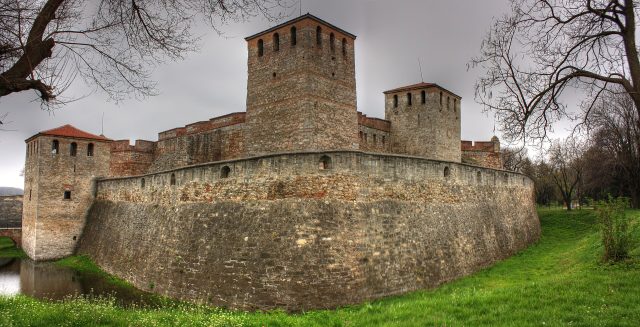
The museum is located on one of Vidin’s central streets, making it easy to reach on foot. The city itself, situated on the banks of the Danube, is often overlooked by travelers in favor of more famous destinations like Sofia or Plovdiv. Yet that’s part of its charm. Vidin moves at its own pace, free from the crowds that flock to Bulgaria’s better-known sites. The locals are welcoming, eager to share tales of their city’s rich history. While the Konak is a highlight, Vidin has other treasures worth exploring—the medieval Baba Vida Fortress, the old churches, and the riverside promenade. But the Konak remains the place where the past feels most immediate, where history isn’t just observed but experienced.