Vidin’s Krasta Barracks is one of those places that feels suspended in time, a quiet witness to the city’s layered past. Built in the late 19th century, it was once a military stronghold, its thick walls bearing silent testimony to wars, political shifts, and the slow march of history. Today, it stands slightly apart from the usual tourist paths, which only adds to its appeal. There are no crowds here, no guided tours rushing through—just the chance to step into a moment that feels untouched by the present.
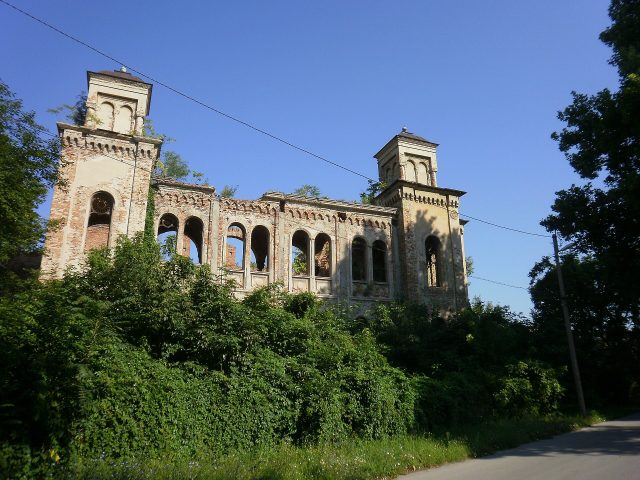
The architecture is unmistakably military, designed for function rather than beauty. The building follows the neoclassical style that became popular in Bulgaria after the country broke free from Ottoman rule, a period when European influences reshaped everything from public buildings to urban planning. The barracks’ design is straightforward—solid stone walls, clean lines, and little ornamentation—but that simplicity gives it a certain weight. It was built to endure, and it has.
In its time, Vidin was a key strategic point along the Danube, and the barracks played a role in the city’s defenses. Soldiers were stationed here, weapons stored, and in times of threat, the building would have been a critical stronghold. Over the decades, its military purpose faded, but the structure remained, now more like an open-air museum than a functional site. The wear on its walls and the occasional crumbling detail don’t detract from its character; if anything, they make it feel more real, as if the past is still lingering in the mortar between the stones.
What makes the Krasta Barracks special is its lack of fanfare. There are no signs pointing visitors toward it, no gift shops or ticket booths. It’s the kind of place you stumble upon—or seek out—if you’re drawn to history that isn’t neatly packaged for tourists. You can walk along its perimeter, imagining the footsteps of soldiers who once drilled here, or sit on a nearby bench and study the way the light falls across its arched windows. Vidin has its share of grander landmarks, but it’s these unassuming places that often reveal the most about a city’s soul.
There’s been talk in recent years about restoring the barracks, and if that happens, it could become more than just a historical relic. Some envision it as a cultural space—perhaps a venue for small exhibitions, lectures, or even intimate concerts. For now, though, it remains a quiet corner where the modern world feels distant. It’s the kind of place where you can pause, look around, and feel the weight of history without any distractions.
Vidin itself is a city that doesn’t try too hard to impress. Unlike Sofia or Plovdiv, it hasn’t been polished for mass tourism, and that’s part of its charm. The streets hum with everyday life, the Danube flows steadily past, and the past isn’t something confined to museums—it’s woven into the fabric of the city. The Krasta Barracks is just one thread in that tapestry, but an important one. It reminds you that even in smaller cities, history isn’t just about grand battles or famous names; it’s also about the quiet, unremarkable moments that shape a place over time.
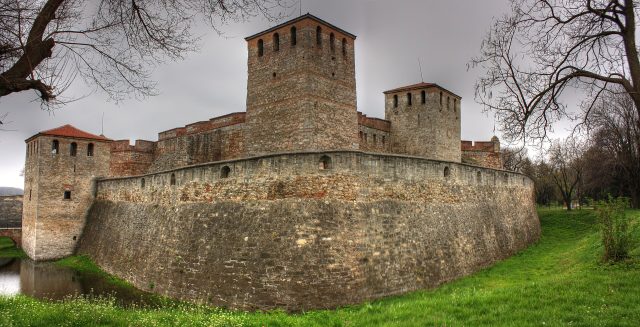
If you find yourself in Vidin, don’t rush straight to Baba Vida Fortress or the main square. Take a detour to the barracks instead. It might not strike you as spectacular at first glance, but that’s the point. There’s no grand facade here, no dramatic lighting—just the quiet presence of a building that has seen more than a century of change. And that, in the end, is what makes it worth visiting. Old buildings like this don’t just stand; they hold stories, even when no one is around to listen.