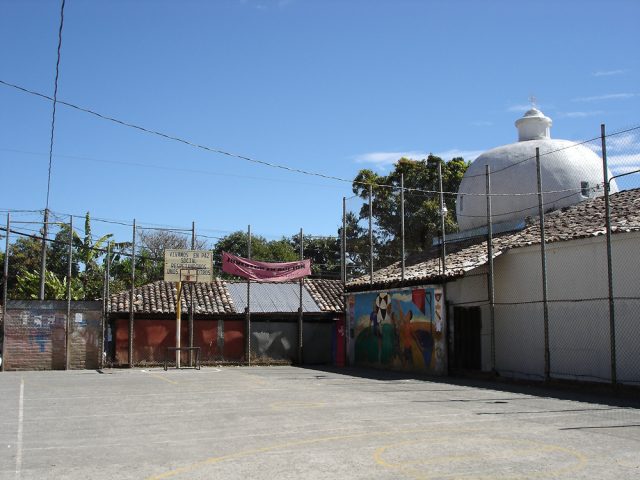
San Francisco Gotera is one of those places time seems to have gently set aside. A quiet town in eastern El Salvador, it lingers in cobblestone streets and the scent of old wood. Few travelers come here. That’s why it’s worth the trip.
The Museum of Colonial Art sits at the town’s heart. It doesn’t shout history—it whispers it.
A Building That Remembers
The museum occupies an 18th-century structure, built when this region was under Spanish rule. Thick volcanic stone walls. Heavy wooden beams. An inner courtyard where a fountain once murmured beneath the feet of local gentry. No gilded excess, just endurance—shaped by climate, necessity, and the lives that unfolded within.
Objects That Tell Stories
Inside, the collection skips the usual colonial narrative. No gold bars. No portraits of governors. Instead, you’ll find pottery blending Spanish techniques with Indigenous designs. Wooden furniture carved with motifs that shift between European elegance and Pipil boldness. Religious artifacts, especially the wooden saints—raw, urgent, as if carved by hands driven by something deeper than skill.
Many pieces weren’t made for display. They were altars from village churches. Painted chests that once held dowries. Tools and textiles used in homes. The museum doesn’t romanticize the past. It shows it as it was—messy, layered, human. No grand narrative, just fragments of lives lived between two worlds.
A Town Frozen in Time
San Francisco Gotera feels like an extension of the museum. Narrow, uneven streets. Low-slung houses with terracotta roofs. The central plaza, where life moves at its own pace. The town hasn’t changed much in centuries. The museum doesn’t stand out—it belongs here, holding stories of the past.
Visitors come for something real. No crowds. No pressure. Just space to linger, to look closely at cracks in pottery or the grain of wood. To imagine the hands that shaped these objects. It stays with you because it feels honest.
Where Past Meets Present
The museum bridges old and new. Sometimes, contemporary artists exhibit work inspired by colonial traditions. Local craftspeople demonstrate woodcarving or ceramic painting. Not to modernize, but to show how traditions evolve. In one room, a modern take on a colonial design proves the past isn’t static—it’s still being reinterpreted.
For those interested in Latin American history, the museum offers something rare. No grand conquest narratives. No political power struggles. Just the small, human details—how cultures blended, how people adapted, how they made beauty from necessity. No heroes or villains. Just people navigating a changing world. That’s why the exhibits feel immediate, relatable.
Step outside, and the town continues the story. Churches hold colonial relics—wooden crucifixes, faded saint paintings. Local shops sell handmade pottery meant for daily use, not souvenirs. San Francisco Gotera doesn’t try to impress. It simply exists, where the past isn’t just remembered but still quietly present.
The museum is part of that. A reminder that history isn’t just read—it’s touched, if you know where to look.