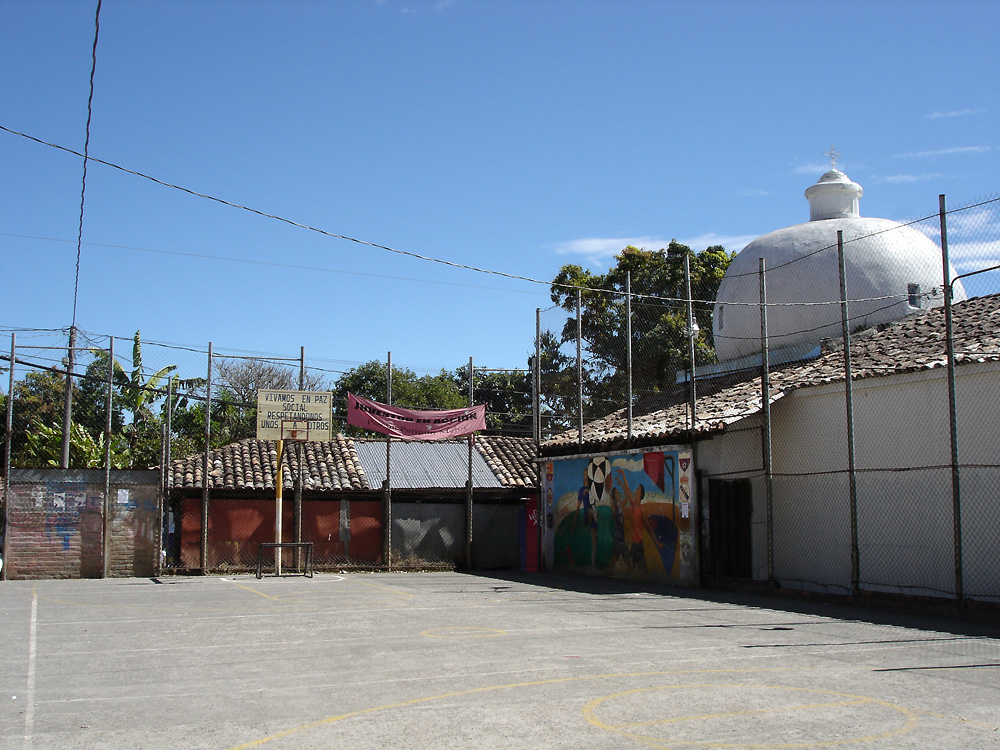
The Museum of the Revolution in San Francisco Gotera isn’t the kind of place that tries to impress with grand halls or polished exhibits. Instead, it offers something far more compelling: a raw, unfiltered look at one of El Salvador’s most painful chapters. Tucked away in a quiet town far from the usual tourist trails, the museum doesn’t cater to casual visitors. It exists for those who want to understand—not just the facts of the civil war, but the human stories behind them.
The building itself is unassuming, blending into the streets of San Francisco Gotera like any other modest structure. There’s nothing about its exterior to suggest the weight of what lies inside. Once, it may have been an office or a home, but now its walls hold the memories of a conflict that tore the country apart for twelve years. The civil war, which ended in the early 1990s, left deep scars, and this museum is one of the few places where those scars are preserved—not as distant history, but as something lived and felt.
What makes the museum different is its focus on personal narratives. The exhibits aren’t arranged like a textbook timeline; instead, they’re built around the voices of those who experienced the war firsthand. Photographs line the walls—snapshots of fighters, civilians, and makeshift camps, taken in the moment rather than staged for effect. The images are grainy, sometimes blurred, but that only makes them more powerful. They don’t just document events; they show the faces of people caught in the middle of them. Alongside the photos are everyday objects: worn-out backpacks, handmade canteens, letters scribbled on scraps of paper. These items don’t need captions. Their wear and tear tell their own stories.
The museum also includes documents that reveal how the war in El Salvador became a global concern. Copies of newspaper clippings, diplomatic correspondence, and public statements show how the conflict drew in foreign powers, shaping its outcome in ways that are still debated today. The museum doesn’t take sides or offer easy conclusions. Instead, it presents the material as it is—fragmented, complex, and open to interpretation. History here isn’t a neat narrative; it’s something visitors have to piece together for themselves.
The architecture of the museum is simple, almost austere. There are no marble floors or ornate details, just wide, airy rooms with high ceilings and large windows that let in natural light. The walls in some spaces are left bare, as if to remind visitors that history isn’t always pretty. This isn’t a place for those who expect grandeur. It’s for people who want to see the war not as a distant event, but as something that reshaped lives and communities.
The Museum of the Revolution doesn’t claim to tell the whole story. It doesn’t have to. Other institutions in El Salvador cover the war from different angles, but this one offers something unique: a quiet, intimate perspective. There are no slogans or dramatic declarations here, just the voices of those who lived through the conflict. Many visitors leave feeling not just informed, but unsettled. The museum doesn’t provide answers; it asks questions, leaving each person to grapple with them in their own way.
San Francisco Gotera isn’t a destination for most travelers. It’s a small, unassuming town where life moves at its own pace, far from the capital’s hustle. But that’s part of what makes the museum special. It doesn’t rely on tourist crowds for its relevance. Its visitors are often locals—students learning about their country’s past, veterans revisiting memories, or curious travelers who stumble upon it by chance. For all of them, the museum is more than a collection of artifacts. It’s a space for reflection, a place where history feels immediate rather than distant.
Time moves differently inside the museum. There’s no rush to see everything, no pressure to move on to the next exhibit. People linger over photographs, reading the accompanying text carefully, studying the faces in the images as if searching for something beyond the surface. Sometimes, conversations start quietly between strangers—shared thoughts, personal memories, or just a moment of silent understanding. The museum doesn’t try to evoke specific emotions, but it doesn’t shy away from them either. It simply exists, and in doing so, it invites visitors to engage with the past on a deeply personal level.
El Salvador has spent decades reckoning with its history, and museums like this one play a crucial role in that process. They don’t erase the war or turn it into a myth. Instead, they help the country live with its past without letting it define the present in simplistic terms. The Museum of the Revolution isn’t a monument to heroes or victims. It’s an attempt to preserve the human side of history—the messy, complicated, and often painful reality of what war does to people. There’s no grandiosity here, just honesty. And perhaps that’s why it matters—not just for El Salvador, but for anyone who has ever wondered how the past shapes the world we live in today.