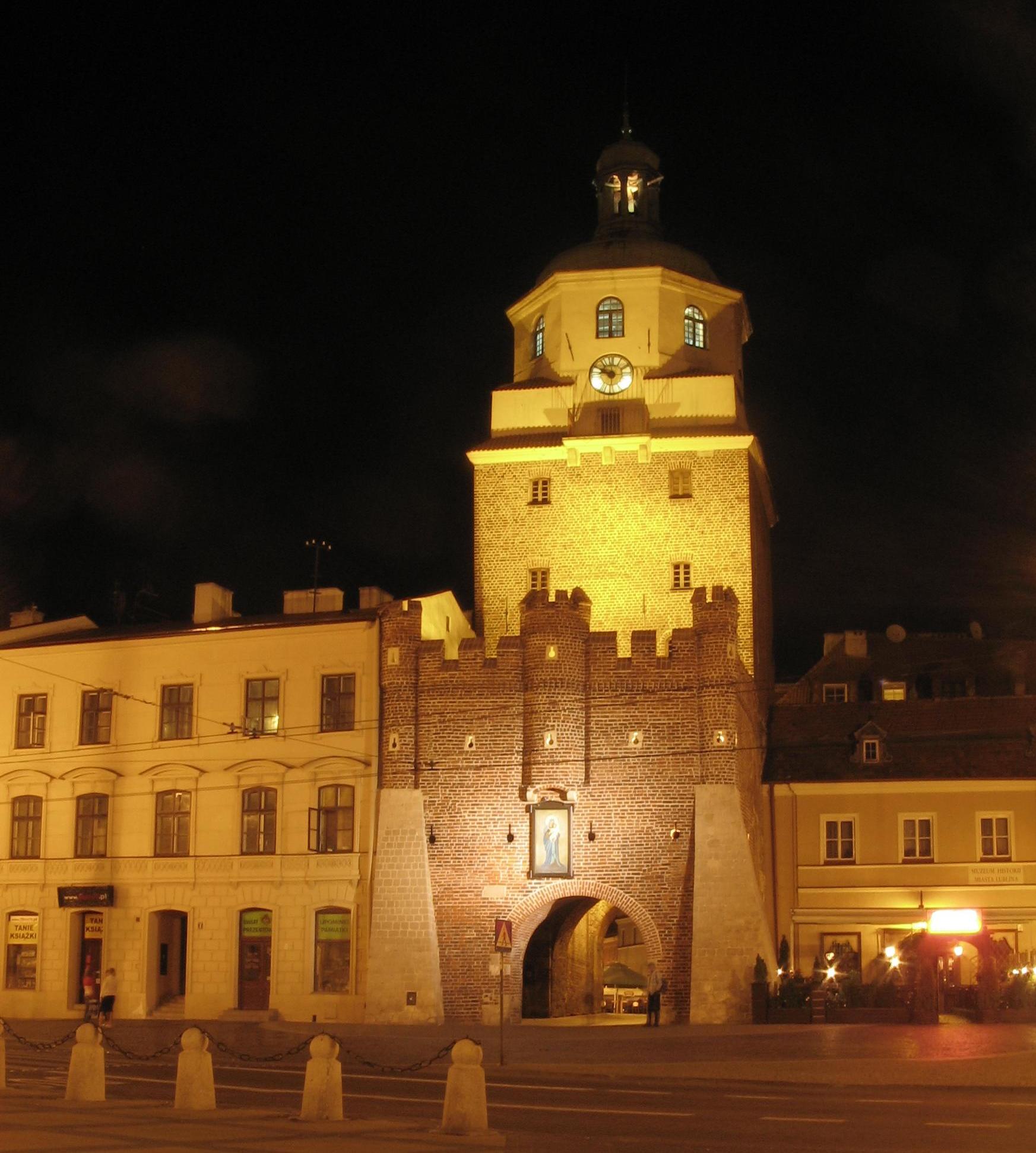
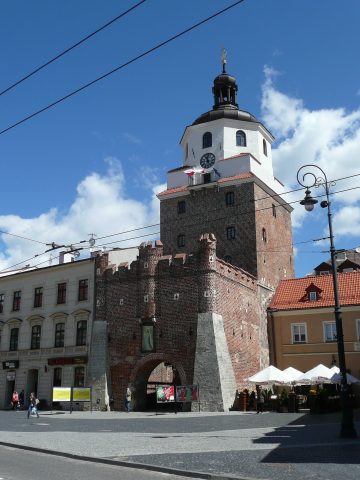
Lublin’s Museum of History isn’t just a collection of artifacts—it’s the city speaking for itself, quietly and without pretense. Housed in a building that has witnessed centuries of change, the museum sits at the heart of Lublin’s Old Town, where narrow streets still echo with the footsteps of medieval merchants and the murmur of long-gone marketplaces. The address itself, number 12 on Złota Street, isn’t just a location; it’s a fragment of the city’s living memory, a place where history isn’t confined to glass cases but spills into the present.
The story begins in the 12th century, when Lublin was little more than a fortified settlement on a hill overlooking the Bystrzyca River. Over time, it grew into a vital crossroads, where trade routes from Kyiv to Kraków and beyond intersected, bringing both prosperity and conflict. The museum’s exhibits trace this evolution through fragments of ancient walls, coins that once changed hands in bustling markets, and royal decrees bearing the signatures of kings. Among the most compelling pieces are the seals and coats of arms—each one a testament to Lublin’s struggles to assert its rights against noble families and the crown. The replica of the 1569 Union of Lublin, which united Poland and Lithuania into a single state, may not be the original (that remains in Warsaw), but it still carries the weight of a moment that shaped not just the city, but an entire nation.
The building itself is a piece of history. Constructed in the late 16th century during Lublin’s golden age, it reflects the prosperity of a city that was then one of the largest centers of the Polish-Lithuanian Commonwealth. Over the centuries, its facade evolved—Renaissance gave way to Baroque, and later, touches of Classicism appeared. Inside, the original vaulted ceilings and ornate stoves that once warmed the rooms of wealthy merchants remain intact. During 20th-century renovations, workers uncovered fragments of frescoes hidden beneath layers of plaster—remnants of the lavish decorations that once adorned the walls. Restored with care, they now offer a glimpse into the lives of Lublin’s past residents, their tastes, and their daily routines.
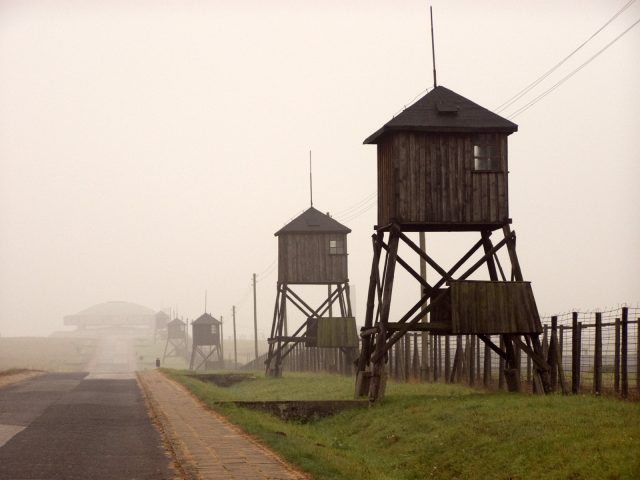
One of the museum’s most poignant sections is dedicated to Lublin’s Jewish community, which before World War II numbered around forty thousand people—nearly half the city’s population. They built synagogues, established schools and printing houses, and shaped the cultural and economic life of the city. The exhibits include everyday objects, books in Hebrew and Yiddish, and photographs of rabbis and ordinary citizens. But the most haunting displays focus on the destruction of the ghetto and the horrors of the Holocaust. There are no grand narratives here, just the stark reality of documents detailing deportations, personal belongings left behind, and maps marking the locations of camps. It’s a difficult history, but one Lublin refuses to forget.
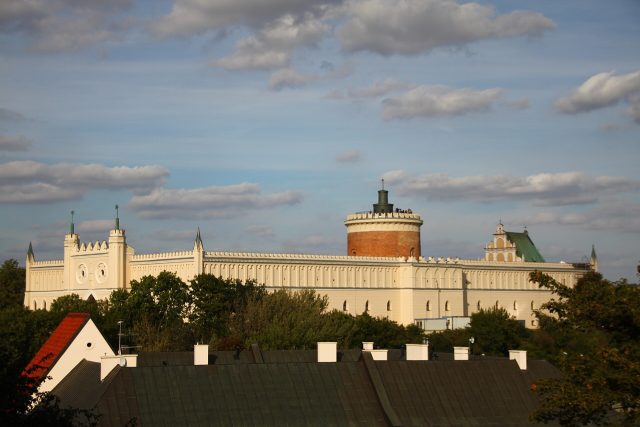
World War II left deep scars on the city. Lublin was among the first major Polish cities occupied by the Germans in 1939 and one of the last liberated in 1944. The museum doesn’t shy away from this period, showing how the war transformed the city—its buildings reduced to rubble, factories dismantled, and resistance movements forced underground. A particularly somber section is devoted to Lublin Castle, which during the occupation served as a prison and site of torture. While the castle now houses its own museum, the exhibits here include photographs of prisoners, their letters, and drawings made in captivity. These aren’t just historical records; they’re reminders of the human cost of war.
After the war, Lublin briefly became the capital of Poland. The first communist government convened here, making decisions that would shape the country for decades. The museum presents this era without ideological bias, displaying newspapers, propaganda posters, and photographs of both public rallies and everyday life. It’s fascinating to see how, despite the upheavals, the city continued to function—theaters reopened, new neighborhoods were built, and people returned to their routines. The exhibits make it clear that history isn’t just about grand events; it’s also about the quiet moments in between.
Today, Lublin is a city that remembers its past but isn’t defined by it. The museum isn’t just a repository of artifacts; it’s a space for reflection. Temporary exhibitions often explore contemporary themes, from discussions on preserving cultural heritage to workshops on traditional crafts. One gallery features works by local artists inspired by the city’s legends and architecture, blurring the line between history and modern creativity. The atmosphere is less like a formal museum and more like visiting a friend who’s eager to share stories—some tragic, some triumphant, but all deeply human.
A visit here isn’t a rigid tour but a journey through time, one you can take at your own pace. There’s no set path, so you’re free to linger over a medieval map, pore over photographs of pre-war Lublin, or simply sit in the quiet courtyard and think about the countless lives that have passed through these walls. Outside, the city goes on—tourists wander the streets, students rush to lectures, and somewhere nearby, a street musician plays. The Museum of Lublin’s History isn’t just a destination; it’s a bridge between the past and the present, a place where the city’s stories continue to unfold.