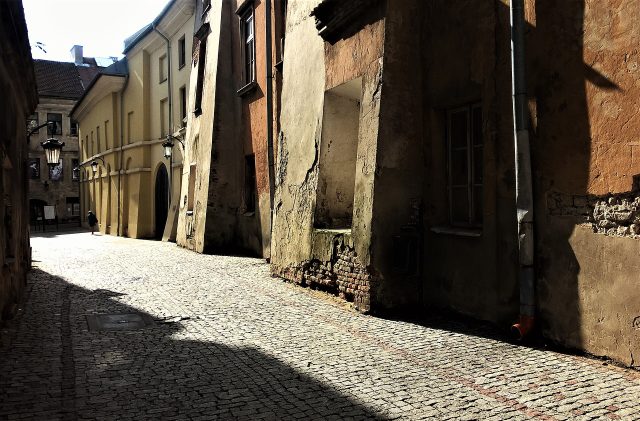
Lublin’s Lychakiv Square is one of those places where time seems to slow down, as if the city itself takes a quiet breath. Unlike the bustling Market Square in the heart of the old town, this corner of Lublin feels removed from the usual tourist paths, offering a more intimate glimpse into the city’s daily life. The square is framed by low-rise buildings, many of which still bear the marks of past centuries—weathered facades, arched doorways, and the occasional decorative molding that hints at a richer history. Here, locals hurry past on their way to work or stroll leisurely with shopping bags, while visitors pause to admire the architecture or simply watch the rhythm of the neighborhood unfold.
The square sits in what was once the separate village of Lychakiv, a settlement beyond Lublin’s medieval walls. In the Middle Ages, this area was home to craftsmen and merchants, and the square itself served as a gathering place for fairs and community events. Over time, Lychakiv was absorbed into the growing city, but it never lost its distinct character. Today, the square retains a sense of quiet permanence, as if the past lingers just beneath the surface. Walking here, you can almost hear the echoes of old market days, when traders haggled over goods and neighbors exchanged news.
The architecture around the square is a mix of styles, yet it all fits together naturally. Some buildings are modest, single-story structures with wooden shutters and simple brickwork, while others are more imposing, with the solid stone facades typical of the 19th century. Many of the older houses feature decorative details—delicate stucco work, wrought-iron balconies, or ornate cornices—that add charm without overwhelming the space. The way light plays across these buildings changes throughout the day, casting long shadows in the morning and softening the edges of the square as evening falls.
Lychakiv Square is also a reminder of Lublin’s layered history, a city where different cultures and communities once coexisted. In the past, this area was home to Poles, Jews, and Ukrainians, and traces of that diversity remain. Nearby stands one of Poland’s oldest Jewish cemeteries, its weathered tombstones a silent testament to the lives once lived here. The surrounding streets still hold buildings that once belonged to the Jewish community, their faded signs and worn thresholds telling stories of a time when Lublin was a crossroads of faiths and traditions. It’s a place that invites reflection, not just on the beauty of the architecture, but on the complexities of history itself.
Today, the square is far from a museum piece—it’s a living part of the city. Small cafes and shops line its edges, offering coffee, local pastries, or handmade crafts. In the warmer months, the square occasionally hosts open-air concerts or small markets, drawing both residents and visitors. When winter arrives, strings of lights and a decorated tree transform the space into a cozy gathering spot, where people come to enjoy the festive atmosphere. It’s a place where the past and present coexist effortlessly, where history isn’t just preserved but actively woven into daily life.
There’s something timeless about Lychakiv Square, as if the centuries-old routines of the neighborhood have simply adapted rather than disappeared. You can imagine merchants setting up stalls here long ago, selling fabrics, spices, or tools, while locals stopped to chat or barter. Now, the square serves a similar purpose, though the conversations are different—students debating over coffee, elderly neighbors catching up on a bench, families pushing strollers past the old buildings. It’s a place where Lublin’s character reveals itself in small, unscripted moments.
For those visiting Lublin, the square offers a chance to step away from the usual tourist routes and experience the city as locals do. There are no crowds here, no guided tours rushing past, no souvenir stands clamoring for attention. Instead, there’s the quiet hum of everyday life—the clink of cups in a café, the laughter of children playing nearby, the distant sound of a tram rolling by. It’s the kind of place where you might linger longer than planned, drawn in by the unhurried pace and the sense that this is where Lublin’s heart beats strongest.
If you find yourself in Lublin, take the time to wander beyond the main sights. Lychakiv Square isn’t the kind of place that demands attention, but it rewards those who seek it out. Sit on a bench, watch the light shift across the old buildings, or duck into a café for a slice of local cake. Here, the city feels less like a destination and more like a home—one that’s been lived in, loved, and passed down through generations. It’s Lublin at its most authentic, where history isn’t just remembered but quietly lived.