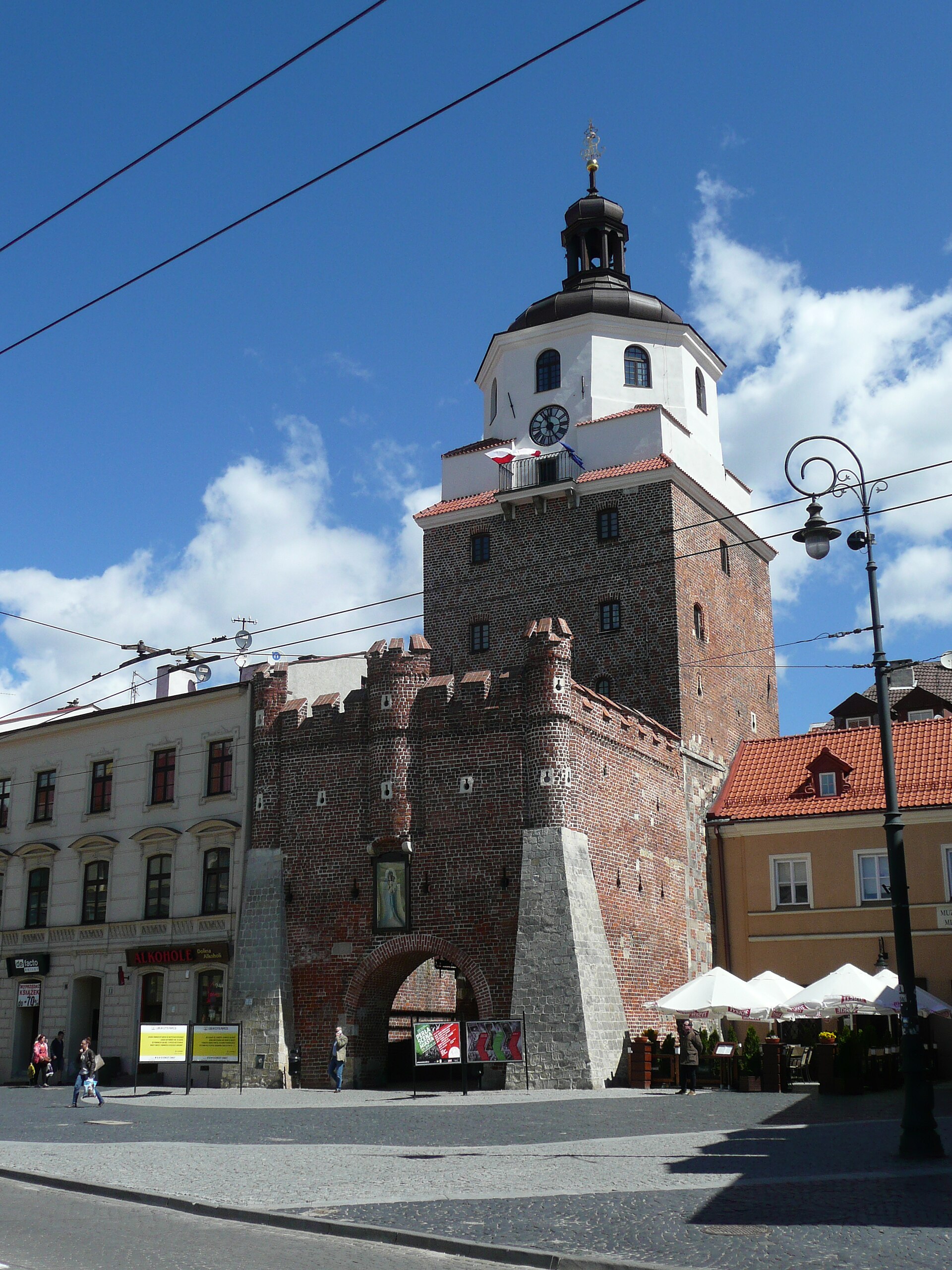
The Kraków Gate in Lublin is one of those rare places where time seems to stand still, a silent witness to centuries of history. Built in the 14th century, it was once a vital part of the city’s defenses, a symbol of Lublin’s importance as a trading hub and a fortress on Poland’s eastern frontier. Today, it remains a striking landmark, blending seamlessly into the modern city while preserving the spirit of the past.
Commissioned by King Casimir the Great during Lublin’s golden age, the gate was more than just a defensive structure. The city sat at the crossroads of trade routes connecting Western Europe with Ruthenia and Lithuania, making it a bustling center of commerce and diplomacy. The Kraków Gate served as the main entrance to Lublin, welcoming merchants, travelers, and dignitaries. Its name reflects the road leading to Kraków, then the capital of Poland, underscoring Lublin’s role as a key stop on the way to the heart of the kingdom.
The architecture of the gate tells a story of evolving styles and purposes. Originally a sturdy Gothic tower with a narrow passage, it was designed to withstand sieges, complete with a drawbridge and heavy gates. Over time, as its military significance faded, the gate was transformed. In the 16th century, a Renaissance attic was added, adorned with decorative elements that softened its fortress-like appearance. By the 17th century, a clock was installed, turning the gate into a civic landmark as much as a defensive one. Though the mechanisms of the drawbridge and battlements are long gone, the structure still stands much as it did centuries ago.
Throughout its history, the Kraków Gate has been a silent observer of pivotal moments. Kings passed through its arches, including Casimir the Great himself and Władysław Jagiełło, who stopped in Lublin before the Battle of Grunwald. In the 18th century, as Poland faced partitions and upheaval, the gate became a symbol of resistance, hosting patriotic gatherings. During the Napoleonic Wars, it served as a lookout point. Even in the 19th century, when Lublin was under Russian rule, plans to demolish the gate for urban expansion were met with fierce opposition from locals who recognized its historical value.
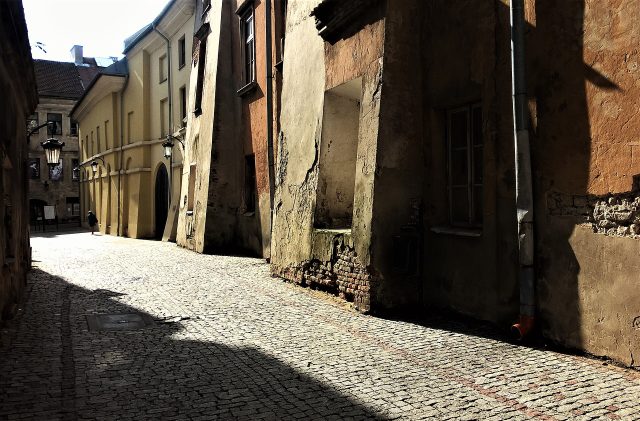
Today, the gate is more than just a relic of the past. Inside, a small museum offers a glimpse into Lublin’s history, with exhibits featuring old maps, weapons, and everyday objects from different eras. The upper floor houses an observation deck, where visitors can take in panoramic views of the Old Town—its narrow streets, red-tiled roofs, and the bustling Rynek square. The scene is especially atmospheric in the evening, when the glow of streetlights casts long shadows over the cobblestones.
The gate has found its place in the rhythm of modern Lublin. Nearby, Krakowskie Przedmieście Street buzzes with life, lined with cafés, shops, and galleries. In the summer, the area hosts open-air concerts and fairs, while in winter, it transforms into a festive market. Though Lublin may not draw the same crowds as Kraków or Warsaw, the Kraków Gate offers a quieter, more authentic experience of medieval Europe, free from the usual tourist throngs.
Walking through the gate, it’s easy to imagine the scenes of the past—the clatter of carts carrying goods from distant lands, the fanfare of royal processions, the tolling of bells warning of danger. The gate serves as a bridge between eras, a reminder that history isn’t just a series of dates but a living presence in the stones, streets, and people of the city. That’s why the Kraków Gate remains one of Lublin’s most memorable landmarks, a place where the past feels close enough to touch.