Majdanek is a place that lingers in the mind long after you leave. Situated on the outskirts of Lublin, this former Nazi concentration camp now serves as a memorial to one of the darkest chapters of the Second World War. The landscape here is deceptively peaceful—gentle hills and open fields that belie the horrors that unfolded between 1941 and 1944. During those years, this was a site of systematic suffering, where hundreds of thousands of people were imprisoned, exploited, and murdered. The camp was liberated by Soviet forces in the summer of 1944, but its legacy endures in the preserved structures and the stories they hold.
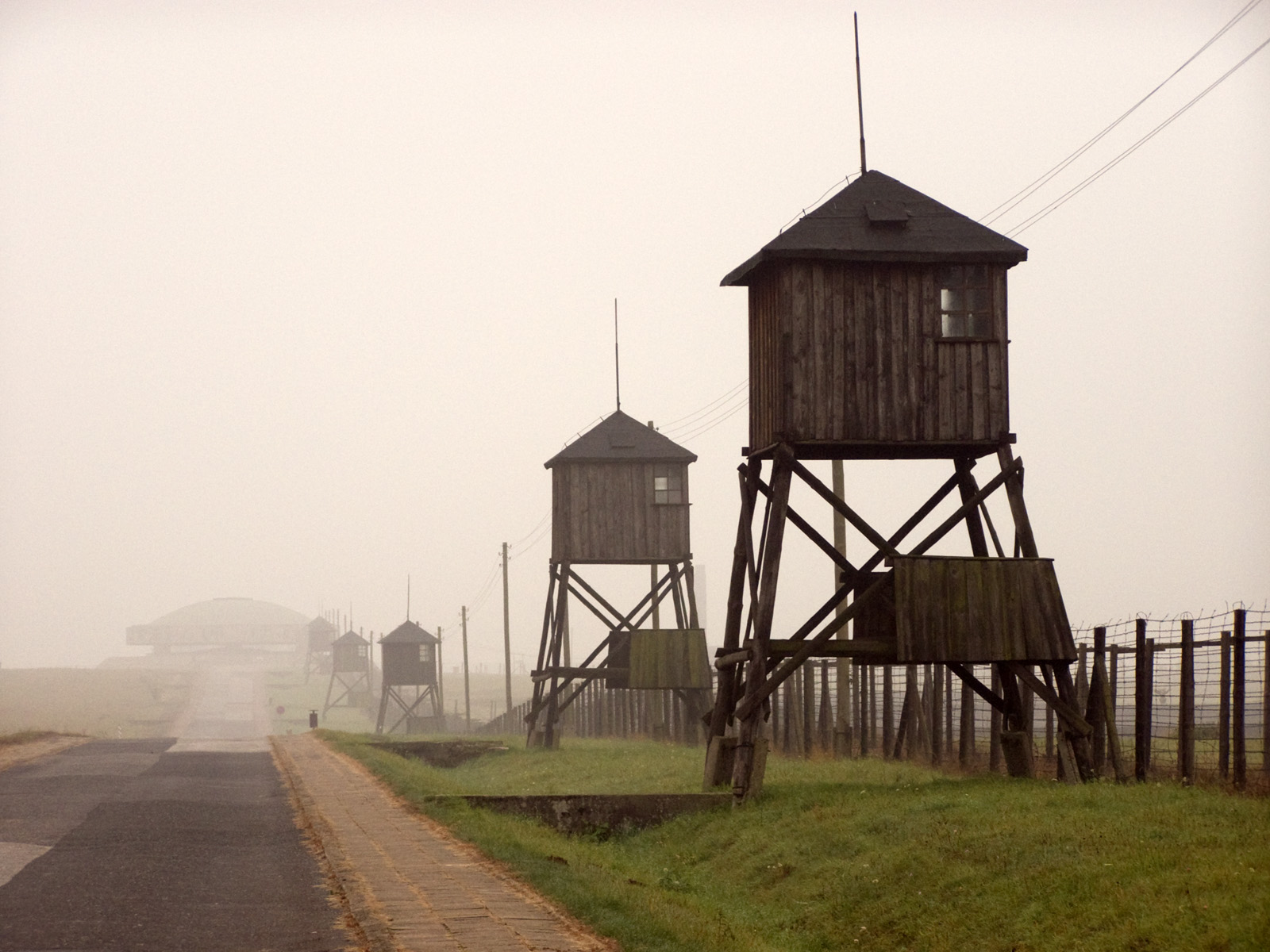
The architecture of Majdanek is unsettling in its stark functionality. The rows of wooden and brick barracks, still standing today, were designed not for comfort but for control. Inside, the narrow bunks, rudimentary stoves, and frozen washbasins speak of lives reduced to survival. The wind sweeps across the open grounds, carrying with it a silence that feels heavier than the weight of history. These buildings were not meant to last, yet they have, as if to ensure that the past is never forgotten. The camp’s layout—barracks, watchtowers, fences—was a blueprint for oppression, replicated across occupied Europe.
One of the most harrowing parts of Majdanek is the crematorium. A modest brick structure houses the ovens where bodies were burned day and night. Nearby, the gas chambers stand as a chilling testament to the efficiency of mass murder. The walls still bear the marks of desperate hands, scratches left by those who fought for their last breaths. No explanation is needed here; the evidence is overwhelming. Adjacent to the crematorium is the mausoleum, a vast concrete dome sheltering the ashes of the victims. It is a place of quiet reflection, where visitors come to pay their respects in silence.
Majdanek was not only a death camp but also a site of forced labor. Prisoners were made to work in nearby factories, build roads, and dig trenches, their bodies pushed to the brink of exhaustion. Many died from starvation, disease, or the brutality of their guards. The camp was part of a larger system designed for both exploitation and extermination—a machine that treated human lives as disposable. The Nazis calculated the value of each prisoner, squeezing out every ounce of labor before discarding them. The remnants of this system are still visible in the camp’s infrastructure, from the barracks to the watchtowers.
Today, Majdanek functions as a museum, drawing visitors from around the world. Exhibits document the camp’s operations, the fates of its prisoners, and the mechanisms of Nazi genocide. Personal belongings—clothing, shoes, letters, photographs—are displayed as fragments of individual lives. Each item tells a story of someone who once had hopes, dreams, and loved ones. Among the most poignant are the children’s belongings: tiny shoes, toys, and dresses, reminders of the youngest victims who never had the chance to grow up.
The atmosphere at Majdanek is unlike any other historical site. There are no crowds, no laughter, no hurried conversations. Visitors move quietly, reading the informational plaques and absorbing the weight of the place. The only sounds are the crunch of gravel underfoot and the whisper of the wind through the grass. This is not a place for distraction but for contemplation. It forces you to confront the fragility of life and the ease with which humanity can be stripped away. Majdanek does not provide easy answers, but it serves as a stark reminder of the consequences of hatred and indifference.
Lublin itself is a city with a layered history. Before the war, it was a vibrant center of Jewish culture, home to around forty thousand Jews. Traces of that past remain in the old synagogues, cemeteries, and buildings that once bustled with life. Majdanek is a part of this history—a dark chapter that cannot be separated from the city’s identity. The camp’s existence is a testament to the depths of human cruelty, but also to the resilience of memory.
Visiting Majdanek is not a typical tourist experience. It is not a place for entertainment or casual sightseeing. Instead, it is an encounter with history that demands reflection. The memorial does not leave you untouched; it challenges you to consider what it means to be human and why remembering the past is essential. Majdanek is not just about what happened here—it is a warning for the future.