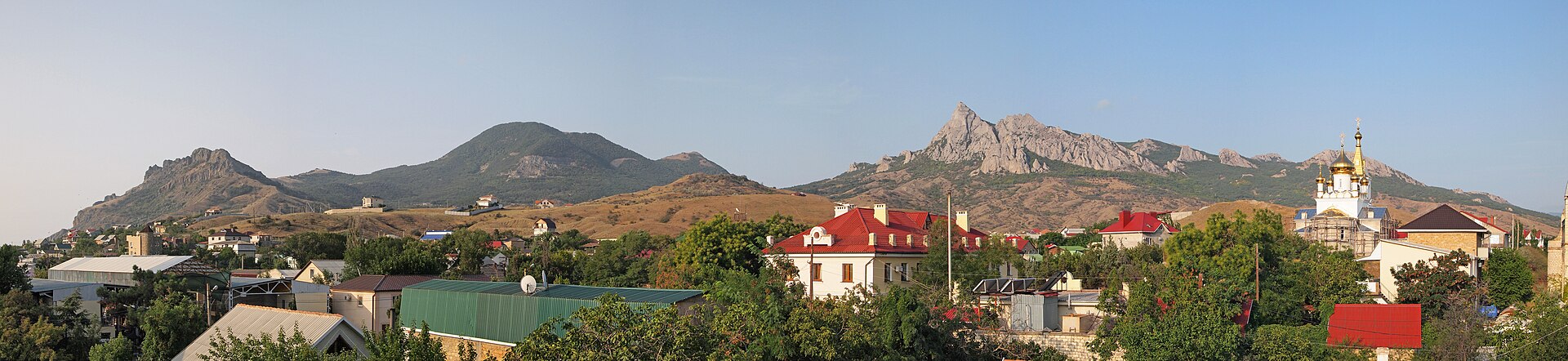
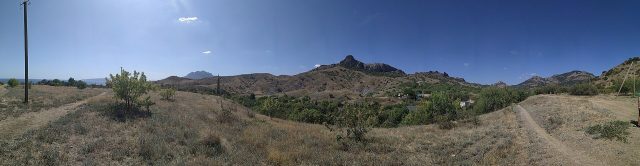
Koktebel is a place where the sea meets the mountains, and where the past lingers in the air like the scent of wild herbs carried by the wind. The Museum of Koktebel History is one of those quiet spots where time seems to slow down, offering a glimpse into the lives that shaped this corner of the Crimean coast. Housed in a modest but charming building near the center of town, the museum doesn’t overwhelm with grandeur, but rather invites you to step inside and listen to the stories it has gathered over the years.
The museum’s origins trace back to the mid-20th century, when local enthusiasts began collecting artifacts that spoke to Koktebel’s layered past. The town itself has always been a crossroads—first for ancient Greek settlers, later for Genoese traders, and eventually for Russian and Soviet intellectuals who sought inspiration in its rugged beauty. The exhibits reflect this diversity, though the focus leans heavily on the late 19th and early 20th centuries, when Koktebel became a haven for artists, poets, and free spirits. It was during this time that the town earned its reputation as a bohemian retreat, a place where creativity flourished away from the constraints of urban life.
One of the museum’s most compelling sections is dedicated to the Voloshin family, particularly Maximilian Voloshin, the poet and painter who became synonymous with Koktebel’s cultural identity. Voloshin’s house, now a separate museum, was a gathering place for writers like Marina Tsvetaeva and Osip Mandelstam, as well as artists who found solace in the stark landscapes of the Crimean coast. The exhibits here include personal belongings, manuscripts, and photographs that paint a vivid picture of the intellectual circles that once thrived in the town. It’s easy to imagine the lively debates that must have taken place over tea in Voloshin’s garden, with the Black Sea shimmering in the distance.
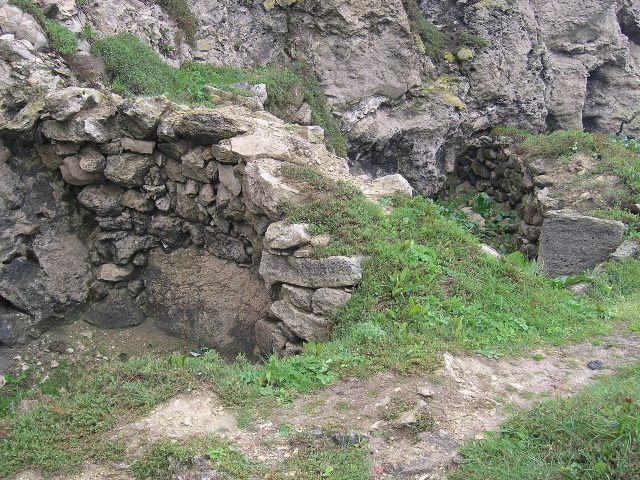
The museum also delves into Koktebel’s earlier history, though the artifacts from these periods are fewer. There are remnants of the ancient Greek settlements that once dotted the coast, including pottery shards and coins that hint at the trade routes that passed through here. The Genoese, who controlled much of the Crimean coast in the Middle Ages, left behind fragments of their fortifications, though little remains of their presence in Koktebel itself. The exhibits from the Ottoman period are similarly sparse, reflecting the town’s relative obscurity during those centuries. It wasn’t until the Russian Empire expanded into Crimea in the late 18th century that Koktebel began to take shape as a recognizable settlement.
What makes the museum particularly engaging is its focus on the everyday lives of the people who called Koktebel home. There are displays of traditional Crimean Tatar household items, tools used by local fishermen, and photographs of the town’s residents from the early 20th century. These artifacts offer a counterpoint to the more glamorous stories of poets and artists, grounding the museum’s narrative in the realities of life by the sea. The exhibits also touch on the Soviet era, when Koktebel became a popular resort destination, though the museum doesn’t shy away from the complexities of that period, including the displacement of the Crimean Tatar population during World War II.
The building that houses the museum is itself a piece of history. It was constructed in the early 20th century, likely as a private residence, and its architecture reflects the eclectic styles that were popular at the time. The high ceilings, large windows, and intricate woodwork give the space a warm, lived-in feel, as if the walls themselves have absorbed the stories of those who passed through. The museum’s layout is unhurried, allowing visitors to wander at their own pace, pausing to examine a particular artifact or read a handwritten letter from a century ago.
Outside, the town of Koktebel continues to evolve, though it retains much of the charm that drew artists and writers here in the first place. The museum serves as a quiet anchor, a place where the past is preserved not as a relic, but as a living part of the town’s identity. It’s the kind of museum that doesn’t demand your attention with flashy displays or interactive exhibits, but rather rewards those who take the time to look closely, to read between the lines of the stories it tells.
For anyone visiting Koktebel, the museum offers a way to connect with the place beyond its natural beauty. The sea and mountains are undeniably stunning, but it’s the human stories—the struggles, the creativity, the quiet moments of everyday life—that give the town its soul. The Museum of Koktebel History doesn’t try to tell the whole story; it doesn’t need to. Instead, it offers fragments, glimpses, and echoes of the past, leaving it to the visitor to piece together the larger narrative. And perhaps that’s the most honest way to approach history—not as a neatly packaged tale, but as a collection of voices, some loud, some barely audible, all waiting to be heard.