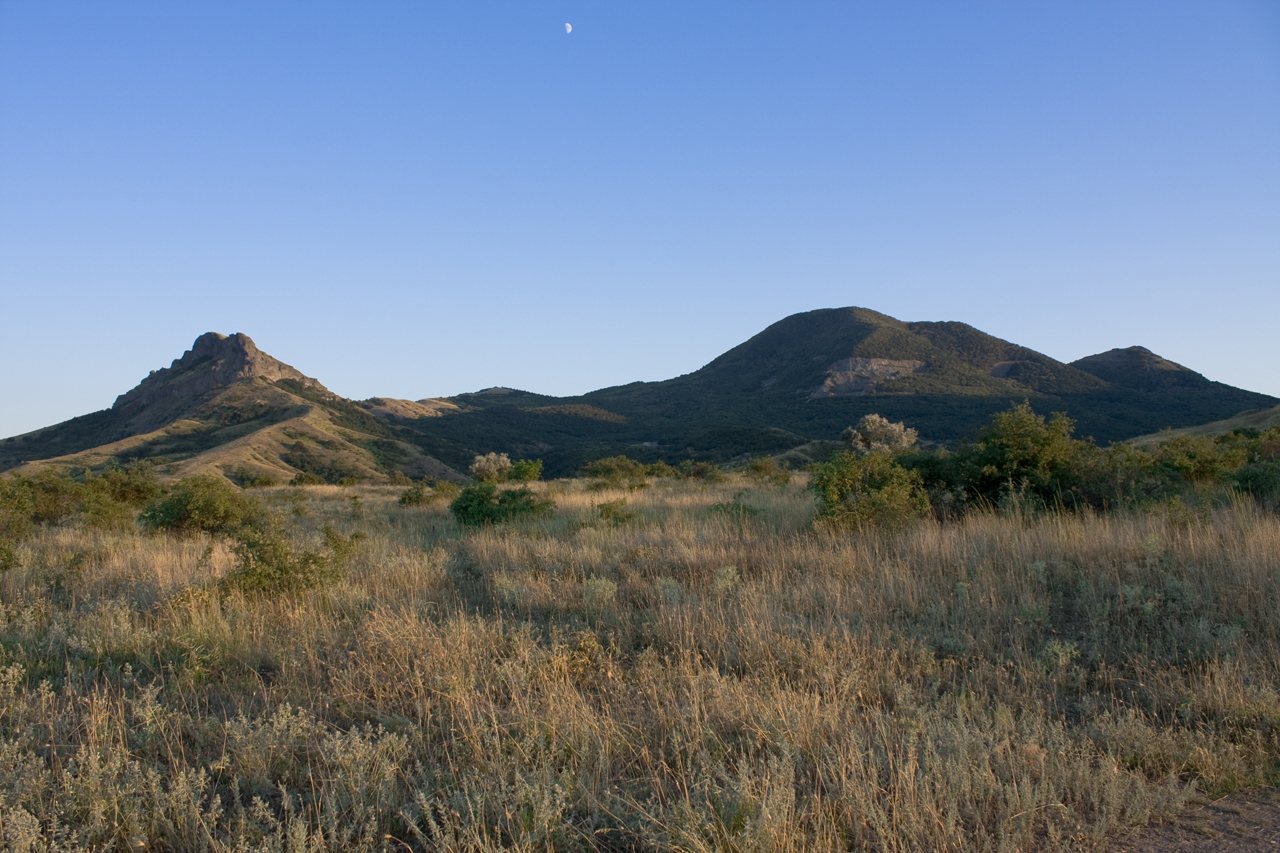
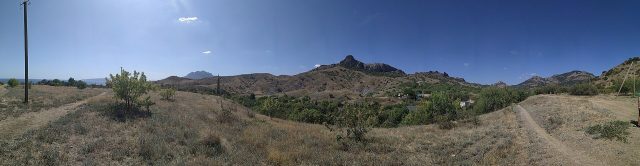
Kara-Dag Nature Reserve is one of those rare places where the land feels untouched by time, as if the earth itself decided to pause and let nature shape its own story. Located on the southeastern coast of Crimea, near the small resort town of Kurortnoye, this protected area stretches across a volcanic massif that rises dramatically from the Black Sea. The name Kara-Dag translates to "Black Mountain," and it’s easy to see why—its jagged peaks and dark cliffs stand in stark contrast to the surrounding greenery and the shimmering blue of the water below.
The reserve covers about 28 square kilometers, a mix of rocky shores, dense forests, and hidden coves that have remained largely unchanged for centuries. Unlike many other protected areas, Kara-Dag isn’t just about preserving landscapes; it’s a living museum of geological history. The mountain range here is the remnant of an ancient volcano that last erupted around 160 million years ago. Over time, wind, water, and tectonic shifts have carved its slopes into surreal formations—towers, arches, and cliffs that look like something out of a fantasy novel. One of the most famous is the Golden Gate, a natural rock arch that juts out into the sea, its silhouette instantly recognizable to anyone who has seen photos of the Crimean coast.
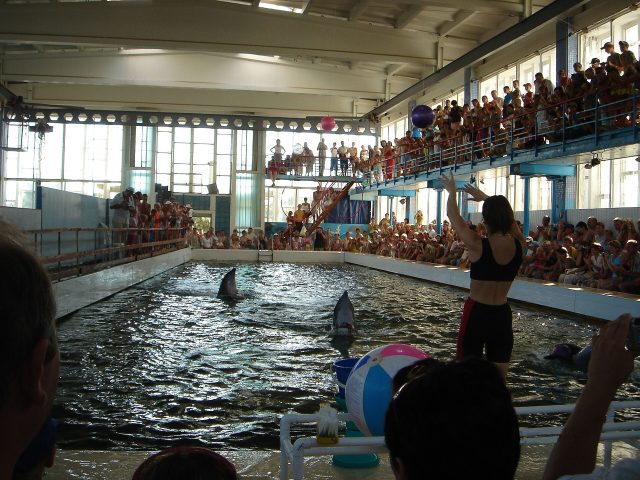
Walking through Kara-Dag feels like stepping into another era. The trails wind through oak and juniper forests, where the air is thick with the scent of wild herbs and the occasional whiff of salt from the sea. In spring and early summer, the slopes burst into color as wildflowers bloom in every shade imaginable. The reserve is also home to a surprising variety of wildlife. Foxes, badgers, and even the occasional Crimean deer can be spotted if you’re quiet and patient. Birdwatchers will find plenty to keep them occupied, with species like the black kite, peregrine falcon, and the rare blue rock thrush nesting in the cliffs. The sea around Kara-Dag is just as rich, with dolphins often seen playing in the waves and schools of fish darting through the clear waters near the shore.
For those who prefer to explore from the water, the reserve’s coastline offers some of the most striking views. Boat tours depart from nearby Kurortnoye, taking visitors along the base of the cliffs where the sea has sculpted caves and grottos over millennia. One of the most popular stops is the Serdolikovaya Bay, named after the semi-precious carnelian stones that can sometimes be found washed up on its pebbled shore. The water here is so clear that on a calm day, you can see the seabed several meters down, its rocks covered in seaweed and small fish darting between them. Swimming in these bays is a unique experience—the contrast of the cool, salty water against the warm cliffs creates a sense of being in a world apart.
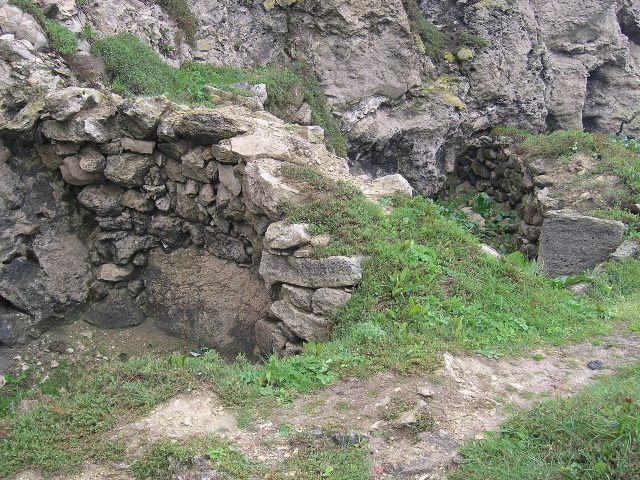
Kara-Dag isn’t just a place for nature lovers; it’s also steeped in history and legend. The ancient Greeks, who once sailed these waters, believed the mountain was sacred, a gateway between the mortal world and the realm of the gods. Later, during the Middle Ages, Genoese traders used the hidden coves along the coast as shelters for their ships, and some say remnants of their fortifications can still be found tucked away in the cliffs. More recently, in the 19th and early 20th centuries, Kara-Dag became a retreat for artists, writers, and scientists drawn to its wild beauty. The Russian painter Konstantin Korovin spent time here, capturing the play of light on the cliffs in his landscapes, while the biologist and explorer Ivan Puzanov studied the region’s unique flora and fauna.
The reserve was officially established in 1979, but its story goes back much further. In the early 20th century, a wealthy landowner named Terentiy Vyazemsky built a small estate near the base of the mountain, turning part of the area into a private botanical garden. Though the estate is long gone, some of the plants he introduced, like the rare Crimean pine, still grow here. The Soviet era brought more changes, with the construction of a biological station in the 1930s that later became a hub for scientific research. Today, the station continues to operate, studying everything from the effects of climate change on local ecosystems to the behavior of Black Sea dolphins.
Visiting Kara-Dag is more than just a hike or a boat ride; it’s a chance to disconnect from the noise of modern life and reconnect with something older and wilder. The trails here aren’t paved or crowded, and there are no souvenir stands or loud tour groups. Instead, you’ll find quiet paths where the only sounds are the rustling of leaves, the cry of a gull, or the distant crash of waves against the rocks. The best time to come is in the early morning or late afternoon, when the light is soft and the cliffs take on a golden hue. If you’re lucky, you might even catch a sunset over the sea, the sky turning shades of pink and orange as the last rays of light dance on the water.
For those who want to stay longer, there are a few small guesthouses in Kurortnoye, where you can wake up to the sound of the sea and spend your days exploring the reserve at your own pace. There’s no grand infrastructure here—no luxury hotels or fancy restaurants—but that’s part of the charm. Kara-Dag is a place that rewards those who take the time to slow down and pay attention. Whether you’re scrambling over rocks to reach a hidden viewpoint, sitting quietly by the shore listening to the waves, or simply wandering through the forest with no particular destination in mind, the reserve has a way of making you feel both insignificant and deeply connected to the world around you.
It’s worth noting that Kara-Dag is a protected area, and visitors are expected to follow certain rules to preserve its fragile ecosystems. Straying off marked trails, picking plants, or disturbing wildlife is strictly prohibited, and it’s always a good idea to bring water and snacks, as there are no shops or cafes within the reserve. But these small inconveniences are a small price to pay for the chance to experience one of Crimea’s most extraordinary landscapes. In a region that has seen its share of upheaval and change, Kara-Dag remains a constant—a reminder of the power and beauty of the natural world.