Chersonesus Zenon, perched on the edge of the Black Sea, is where the past lingers in the salt air and the crumbling stones whisper stories of a world long gone. This quiet corner of southern Russia was once part of the ancient city of Tauric Chersonesus, a Greek colony that thrived here over two thousand years ago. Today, its ruins stretch across a gentle slope overlooking the water, a place where history feels tangible, not just something read in books.
Founded in the 5th century BC by Greek settlers, Tauric Chersonesus became one of the most important outposts of Hellenic civilization in the northern Black Sea region. It was a city of merchants and farmers, of soldiers and artisans, where trade routes from the Mediterranean intersected with the vast steppe lands beyond. Zenon’s Chersonesus, named after one of its rulers, was a fortified settlement on the fringes of the known world, a place where Greek culture met the untamed landscapes of the Crimea. Over time, it fell under the influence of the Bosporan Kingdom and later the Roman Empire, each leaving their mark on its streets and buildings.
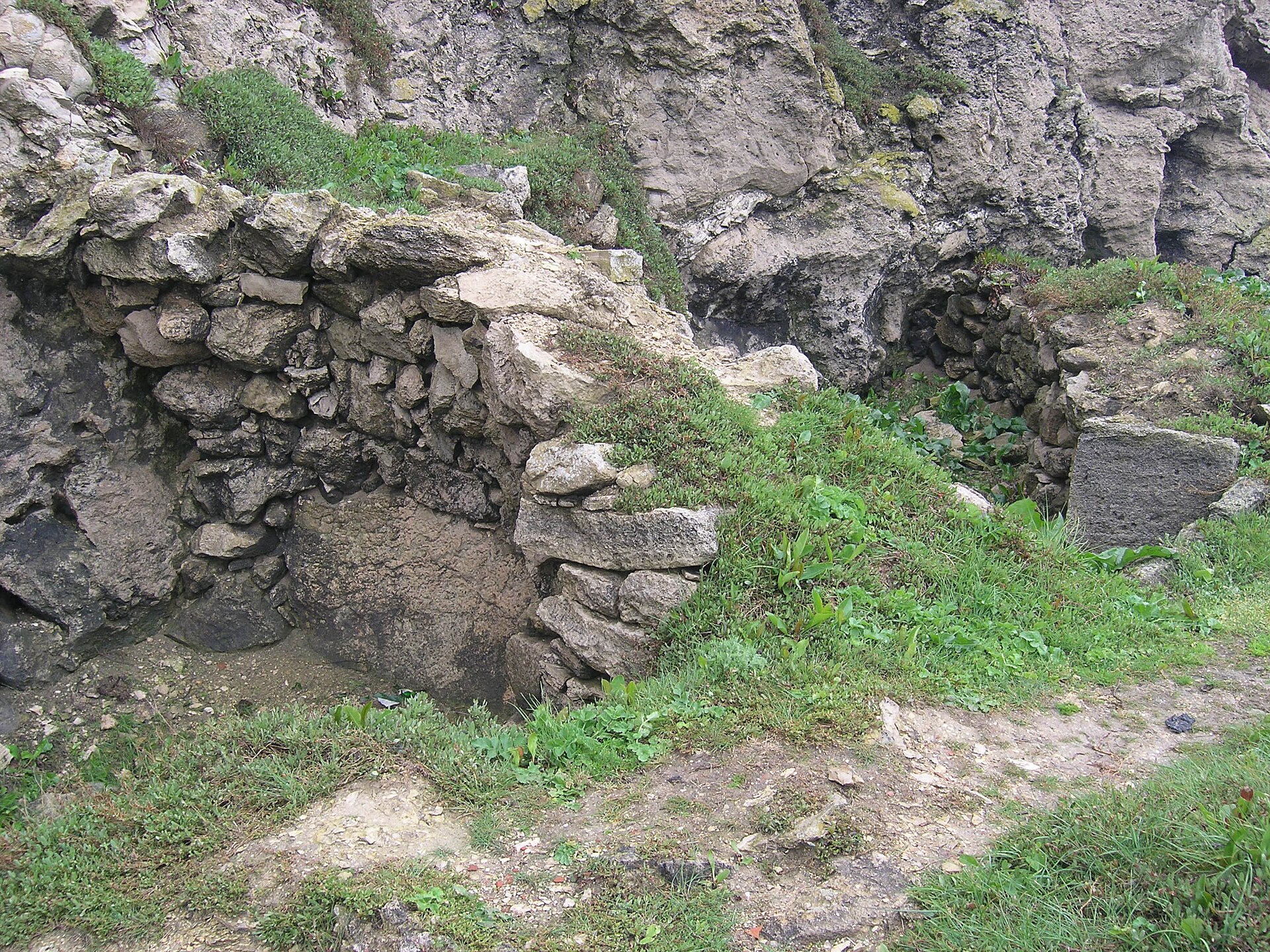
Walking through the site today, you can still see the remnants of its defensive walls, the outlines of houses, and the foundations of public buildings. The stones, worn smooth by time, were laid with remarkable skill, their durability a testament to the craftsmanship of ancient builders. The most striking features are the fragments of the fortifications, once meant to repel nomadic raiders and invading armies. Archaeologists have been uncovering its secrets for decades, and each season brings new discoveries—mosaic fragments, pottery shards, coins—that help piece together what life was like here in antiquity.
What makes this place special isn’t just its history, but the way it feels. The ruins sit on a quiet stretch of coastline, where the only sounds are the rustle of wind through the grass and the rhythmic crash of waves against the shore. There are no crowds, no tour buses, just the open sky and the sea stretching into the horizon. It’s a place where you can sit on a low wall, watch the sunlight dance on the water, and imagine the city as it once was—bustling with activity, filled with the voices of people who lived, loved, and died here centuries ago.
The surrounding area is just as compelling. The nearby resort town offers a contrast to the ancient site, with its modern amenities, sandy beaches, and relaxed pace. It’s an easy place to spend a few days, splitting time between exploring the ruins and unwinding by the sea. The region is rich in history, too—other ancient sites dot the landscape, each with its own story to tell. But Zenon’s Chersonesus has a particular magic, a sense of timelessness that makes it feel apart from the rest.
This isn’t a place for those who expect polished tourist attractions. There are no reconstructed buildings, no flashy exhibits, just the raw, unfiltered remnants of the past. That’s part of its charm. You come here not for spectacle, but for the quiet thrill of standing where history happened. The artifacts unearthed here—jewelry, tools, inscriptions—are now housed in museums, but the site itself remains a living archive, where every stone has a tale to tell.
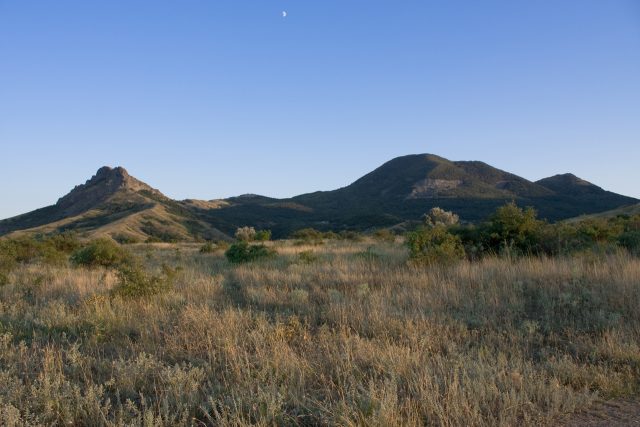
For anyone with even a passing interest in history, it’s a humbling experience. You realize how fleeting civilizations can be, how easily the work of generations can crumble into dust. And yet, there’s something enduring about this place. The sea is the same as it was two thousand years ago, the sun still rises over the same hills, and the ruins stand as a silent witness to the passage of time.
If you visit, take your time. Walk the paths that wind through the ruins, pause where the old streets once ran, and let the atmosphere sink in. It’s a place that rewards patience, where the more you look, the more you see. And when you leave, you’ll carry with you not just memories of ancient stones, but a sense of connection to the people who once called this place home.