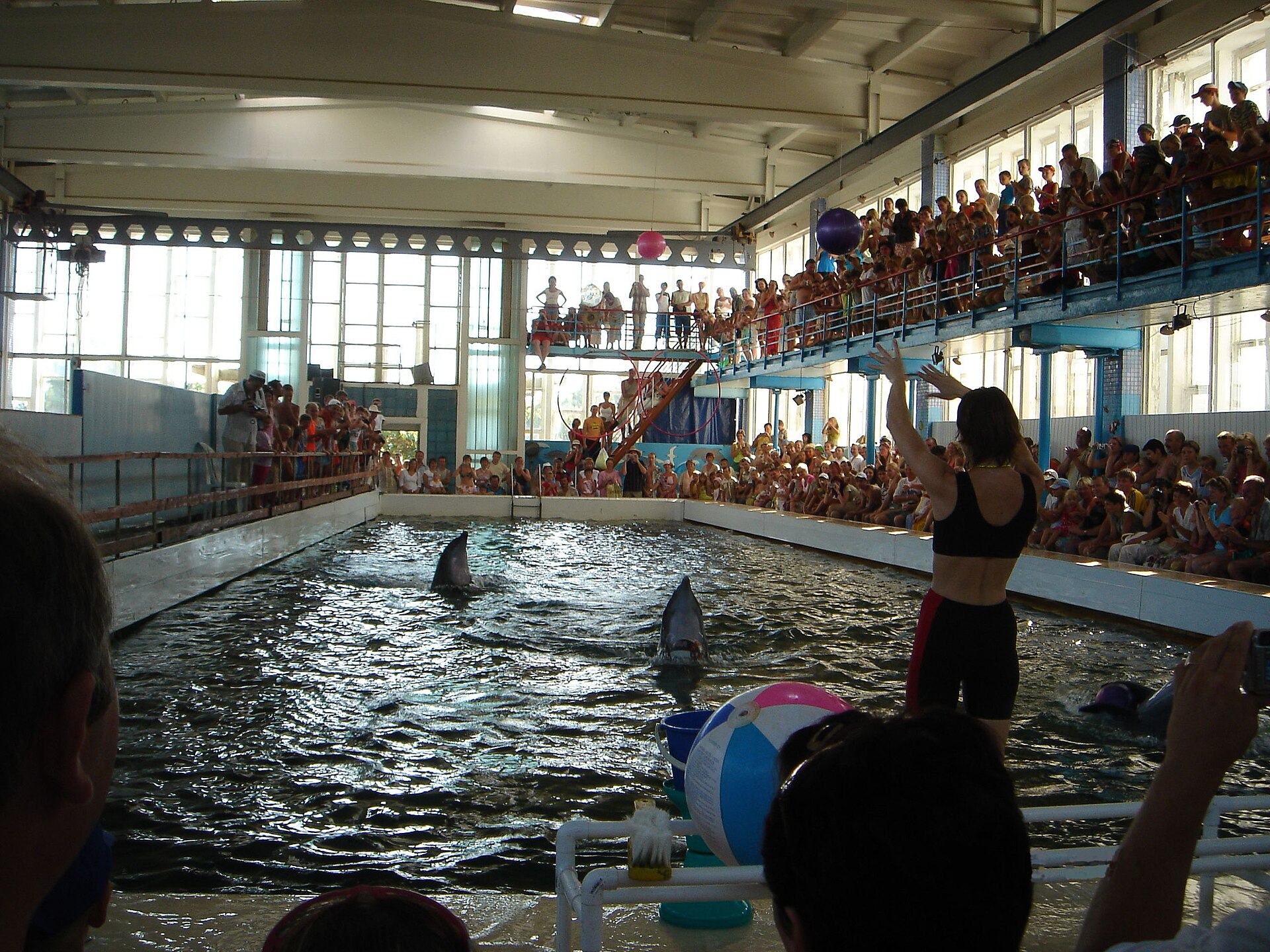
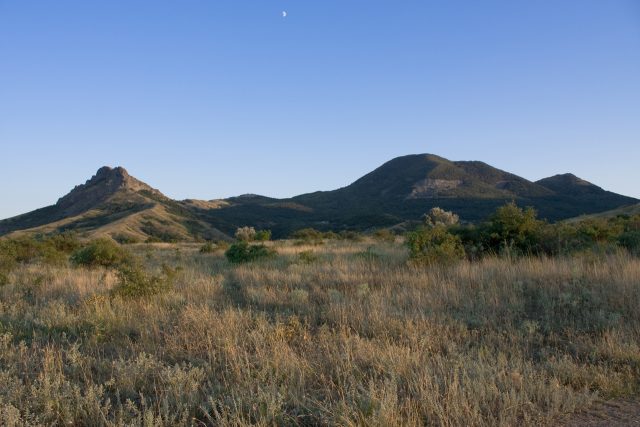
Along the Black Sea coast, where the Crimean mountains meet the water, the Karadag Dolphinarium sits within the rugged landscape of the Karadag Nature Reserve. This protected area, one of Crimea’s oldest, is known for its volcanic rock formations, rare plants, and wildlife. The dolphinarium opened in 1997 as part of the reserve’s scientific and educational work, not just as a place for entertainment.
The dolphins here are part of research into their behavior, communication, and role in the Black Sea. Visitors watch scheduled shows, but the focus is on learning. Biologists and trainers explain how dolphins use sound, how their social groups function, and why they matter to the sea’s health. The presentations let you observe the animals closely, with the dolphins themselves as the main draw.
The dolphinarium’s design is simple. The main structure is an open-air amphitheater with a central pool and seating around it. There are no bright signs or decorations—just a space where the animals stay in view. The pools have modern filtration and temperature control. Pine and juniper trees surround the area, and from the terrace, you can see the sea and, on clear days, distant mountains.
The shows highlight the dolphins’ natural abilities. They jump through hoops, play with balls, and even paint with brushes held in their mouths. Visitors can buy these paintings later. But the best moments often happen unplanned. The dolphins swim close to the pool’s edge, letting people touch them, and sometimes they hold a visitor’s arm with their flippers. For many, especially children, this is their first time seeing dolphins up close.
The dolphinarium also offers dolphin-assisted therapy. Some parents and participants say it helps children with developmental challenges or those seeking stress relief. Professionals supervise the sessions. The idea is that the dolphins’ presence and sounds may have a calming effect. Whether or not science fully backs this, being in the water with them is memorable.
Injured or stranded dolphins sometimes come here for rehabilitation. They receive care and, if possible, are released back into the wild. Those that can’t survive on their own stay at Karadag. Visitors learn about these rescues and the threats dolphins face, like pollution and fishing nets. The staff share updates on the animals, making the link between human activity and marine life clear.
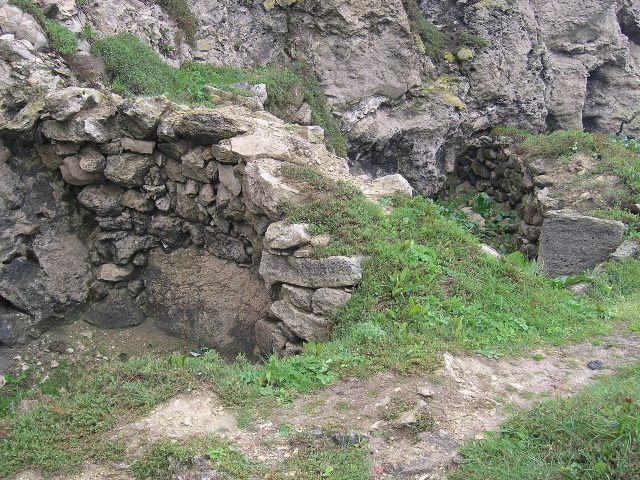
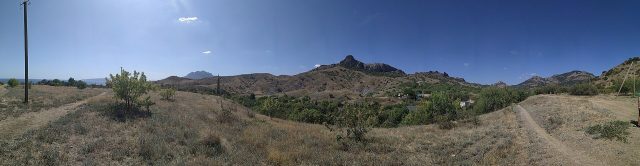
The Karadag Nature Reserve has trails along the coast, up rocky slopes, and to volcanic formations. The shoreline here is quieter than nearby resort beaches, even in summer. The water is clear, and evenings are peaceful, with sunsets over the sea. A visit to the dolphinarium can be part of a day spent hiking, swimming, or just sitting by the water.
Karadag Dolphinarium stands out because it combines wonder with purpose. There are no crowds or rush—just the chance to watch dolphins move through water or listen to researchers. For some, it’s about seeing these animals up close. For others, it’s a moment to think about marine life and our role in it. The experience stays with you long after you leave.