Mount Svyataya: The Quiet Giant Overlooking the Black Sea
From the resort town below, Mount Svyataya—also called the Mountain of Saint Elijah—doesn’t dominate the skyline. It’s modest, its slopes gentle, its summit marked by a small white chapel. Yet for generations, it’s been a landmark, a place where the Black Sea coastline meets the foothills of the Caucasus.
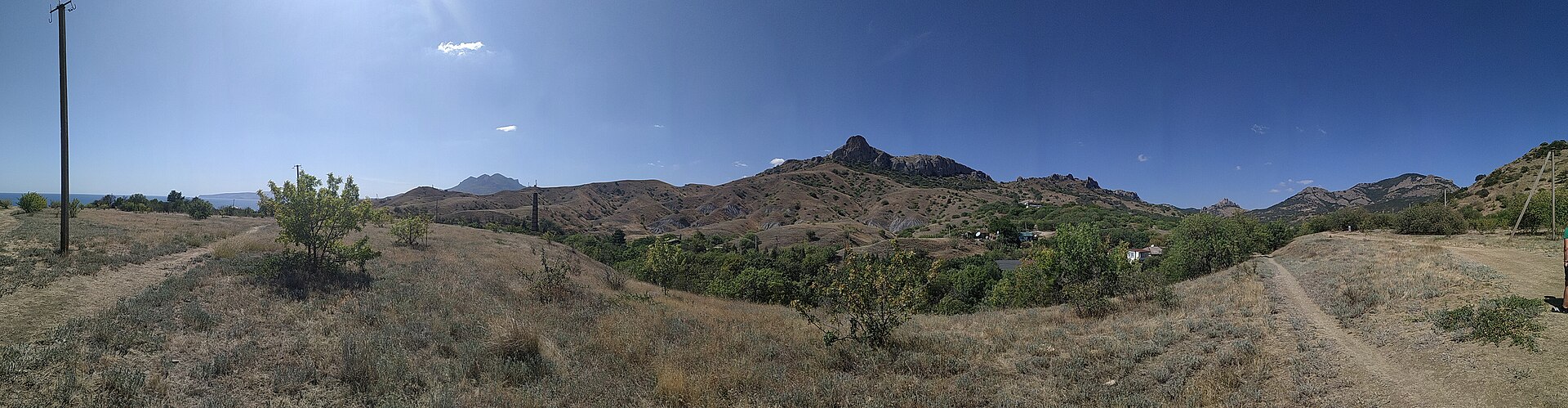
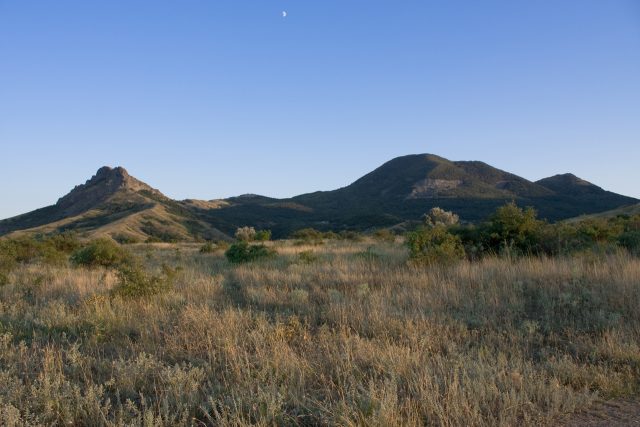
The mountain is part of a low ridge running parallel to the shore, its limestone and sandstone worn smooth by time. In spring, scrubby grass and wildflowers cling to its sides. From the top, the town sprawls below, the sea stretches to the horizon, and on clear days, the Caucasus Mountains rise in the east.
The Chapel of the Prophet Elijah
The mountain’s name comes from the Orthodox chapel near its summit, dedicated to the Prophet Elijah. The building is small—barely larger than a shed—with whitewashed walls and a red-tiled roof. Inside, a few icons and a simple altar. No caretaker, no set schedule, just an open door for those who come to light a candle or sit in silence.
Elijah is a revered figure in Orthodox Christianity, often linked to storms and divine intervention. Here, overlooking sea and sky, his presence feels natural. Local tradition says the site has been a pilgrimage spot for centuries, though the current chapel is likely from the 19th or early 20th century. A guestbook inside holds messages in different languages—some recent, some faded—written by visitors who came for gratitude, hope, or the view.
The Climb
The path to the summit is a network of dirt trails, not paved roads or cable cars. The climb isn’t difficult—most reach the top in under an hour—but it’s enough to feel like a journey. Along the way, you might pass a shepherd with sheep, a stray dog, or a few other walkers. The higher you go, the quieter it gets. The town’s noise fades, replaced by wind through the grass and gulls over the sea.
By the time you reach the chapel, the world below feels distant. There are no benches, no signs, no souvenir stands. Just the chapel, the view, and the quiet.
A Mountain Through Time
In the 19th century, when the area became a resort, the mountain was one of its draws—fresh air, scenic views, the chapel framed against the sea. Postcards from that era often featured it. Later, during the Soviet period, groups of workers and schoolchildren climbed it on organized outings. Today, families picnic on its lower slopes, and teenagers dare each other to climb higher.
The mountain has always been part of the town’s identity, though its role has changed. It’s not a place for grand adventures, but for small moments—a walk in the late afternoon, a pause to catch your breath, the sea stretching out beneath you.
The Land Beneath the Chapel
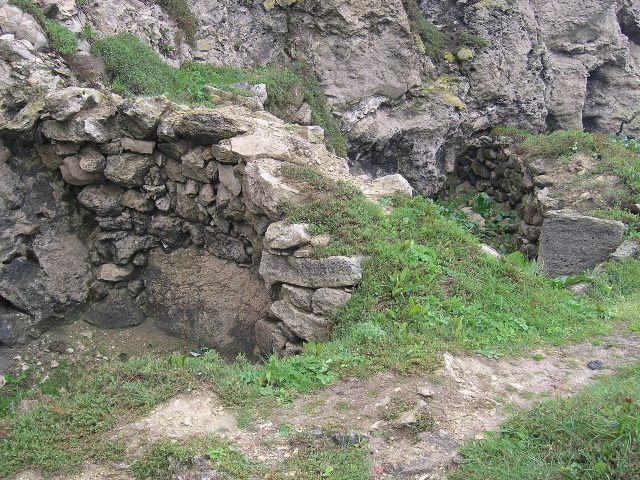
The Black Sea’s mild climate and the shelter of the Caucasus create a unique microclimate here. Subtropical plants grow alongside hardier species. The mountain itself is part of a larger geological formation, its sedimentary rock layers telling a story of ancient seas and shifting tectonic plates. In places, fossils of long-extinct creatures are embedded in the stone.
This place has been here far longer than the town below. It will remain long after the last visitor leaves.
Seasons on the Mountain
For locals, the mountain is a constant presence, changing with the seasons. In winter, a light dusting of snow highlights the chapel. Spring brings green slopes and wildflowers. Summer turns the trails dry and dusty, while autumn paints the landscape in gold and brown.
They know its moods—the afternoon wind shifts, the best sunset spots, the quiet corners where you can sit undisturbed.
Why Climb?
You don’t come here for amenities. There are none. You come for the view, the solitude, or the sense of something older than the resort town below. The mountain doesn’t demand attention, but it rewards those who notice.
It’s a reminder that even in a place known for beaches and holiday crowds, there are corners where the world slows down. Where the land and the people who live here still shape the experience.
It’s just a hill with a chapel on top. But the view is worth the climb.