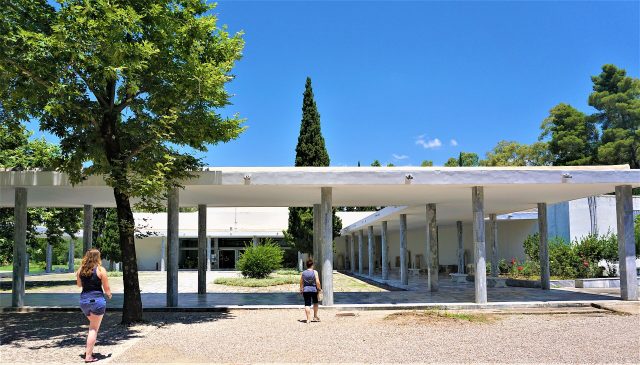
In the hills of the Peloponnese, where the air carries the echo of ancient cheers, the Museum of the History of the Ancient Olympic Games shows how a tradition shaped civilizations. It stands near the grounds where athletes once competed, where cities set aside rivalries, and where the gods were believed to watch over mortal struggles. Here, the story of the Olympics unfolds as an idea that bound together sport, faith, and the shared identity of the Greek world.
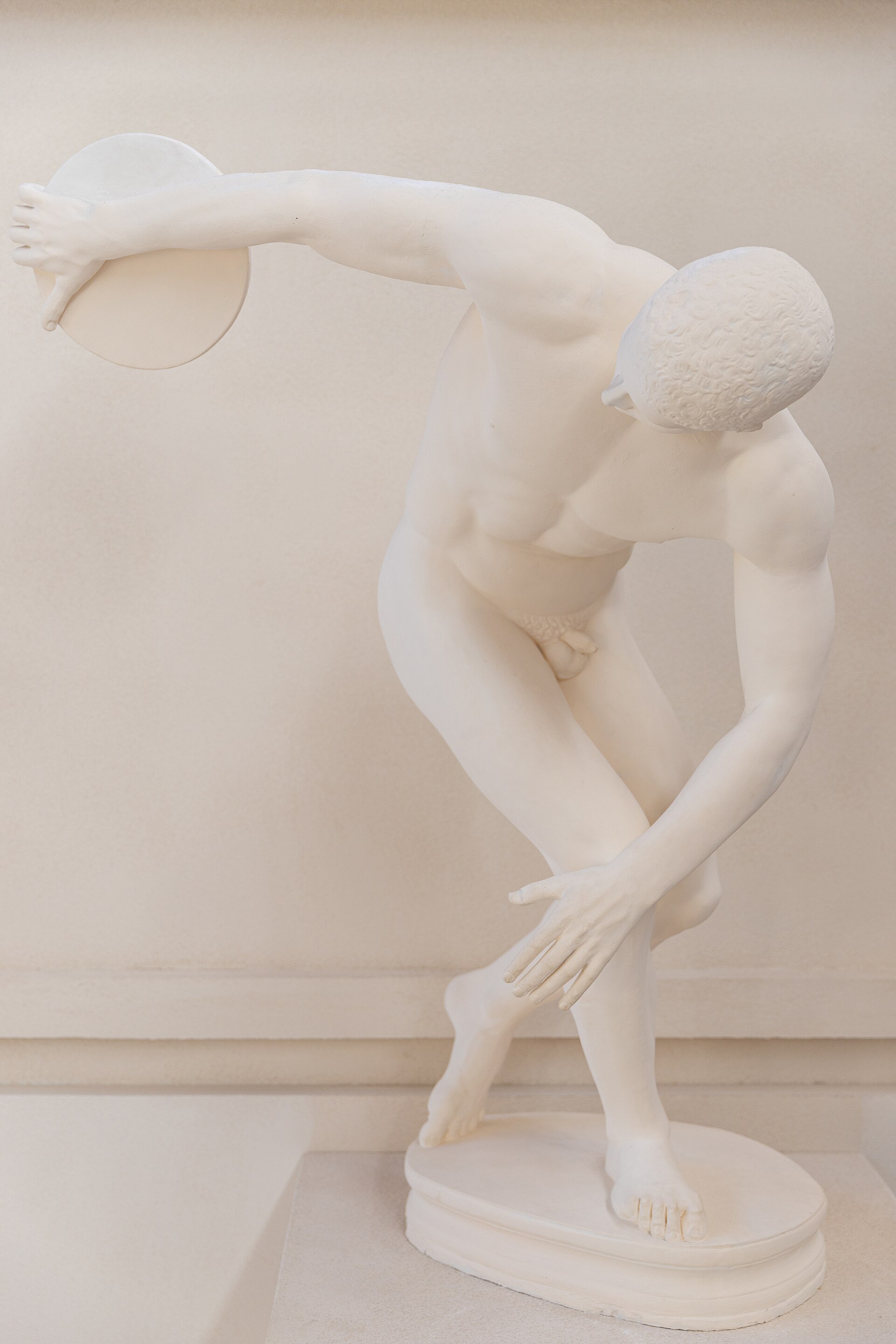
The museum starts with the myths behind the games. Legend says Heracles founded the Olympics to honor Zeus, though the earliest recorded games date to 776 BC. For over a thousand years, every four summers, athletes from across Greece gathered in Olympia. They came not just to compete but to observe a sacred truce that paused even the bitterest wars. The exhibits show how the games grew—from foot races to festivals with chariot races, wrestling, and the pentathlon. Artifacts, like weathered statues of victors and fragments of victory wreaths, reveal how deeply the Olympics were part of Greek life. One standout piece is the Hermes of Praxiteles, a marble statue found in the ruins of the Temple of Hera. Its lines capture the ideal of physical and spiritual harmony the games celebrated.
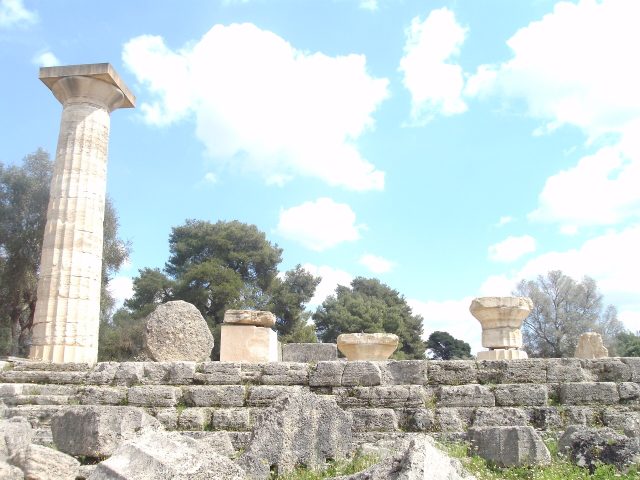
Olympia was more than a sports ground. It was a sanctuary where religion and athletics met. The museum includes the religious rituals that framed the competitions—sacrifices to Zeus, processions, and prayers. A key exhibit is the reconstruction of the lost statue of Zeus, made by Phidias and once counted among the Seven Wonders of the Ancient World. Though the original is gone, descriptions and fragments suggest its grandeur, a towering figure of gold and ivory that embodied divine power. Nearby, the sculpted pediments of the Temple of Zeus show mythic battles. Their figures, frozen in stone, tell stories of heroism and divine intervention. These works reminded visitors of the values the games upheld—courage, discipline, and reverence.
The museum also shows everyday life in ancient Olympia. Excavations have uncovered tools, coins, pottery, and the remains of athletes’ living quarters. Clay lamps and cooking pots sit alongside marble tablets inscribed with victors’ names. These tablets were more than records; they immortalized triumph, carving fleeting glory into stone for future generations. They also reveal how athletes were celebrated, how cities took pride in their champions, and how the games united a politically divided world.
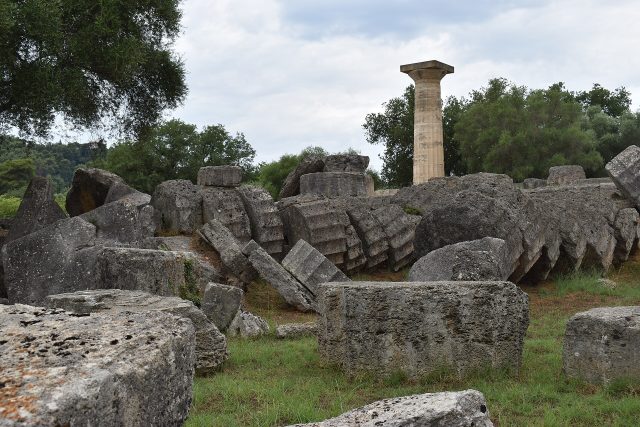
The ancient Olympics declined by the 4th century AD. As Christianity spread, the games were seen as pagan and banned. Olympia fell into ruin, its temples crumbling under earthquakes and time. Yet the memory of the games endured. When archaeologists uncovered the site in the 19th century, they rediscovered a lost world. The museum’s final rooms connect antiquity to the modern era, showing how the ancient games inspired the revival of the Olympics in 1896.
Walking through the museum, you can almost hear the dust rising from the stadium, the roar of the crowd, the tension before a race. The exhibits don’t overwhelm; they invite you to reflect. There are no flashy displays, just objects that have survived centuries—a bronze helmet, a fragment of a runner’s sandal, a clay vase. Each tells a story of ordinary people who came together to celebrate something greater than themselves.
The museum connects the past to the present. The ancient Olympics were about the pursuit of perfection, the idea that through discipline, mortals could touch the divine. That ideal lives on in the modern games, though the context has changed. Today, Olympia is a symbol of continuity. Athletes from around the world still compete on the same soil where their predecessors once ran. The museum reminds visitors that the values of the ancient games—fairness, respect, and the celebration of human achievement—matter just as much now.
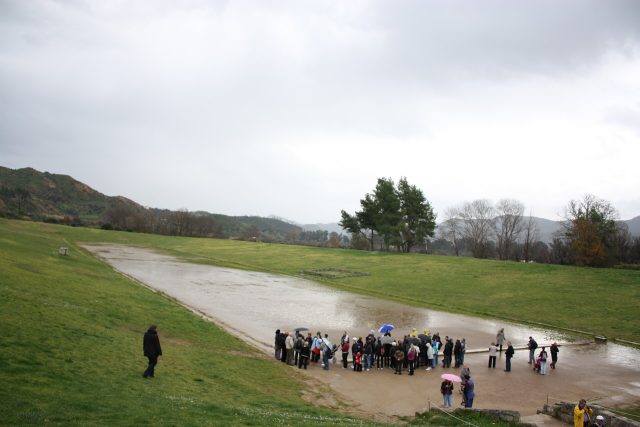
Outside, the ruins of ancient Olympia lie a short walk away. The contrast between the museum’s quiet halls and the open-air remains is striking. Here, the past feels real—the worn stones of the stadium, the foundations of temples, the earth that once shook with athletes’ footsteps. The weight of history speaks for itself. The museum doesn’t just tell the story of the Olympics; it makes you feel it.