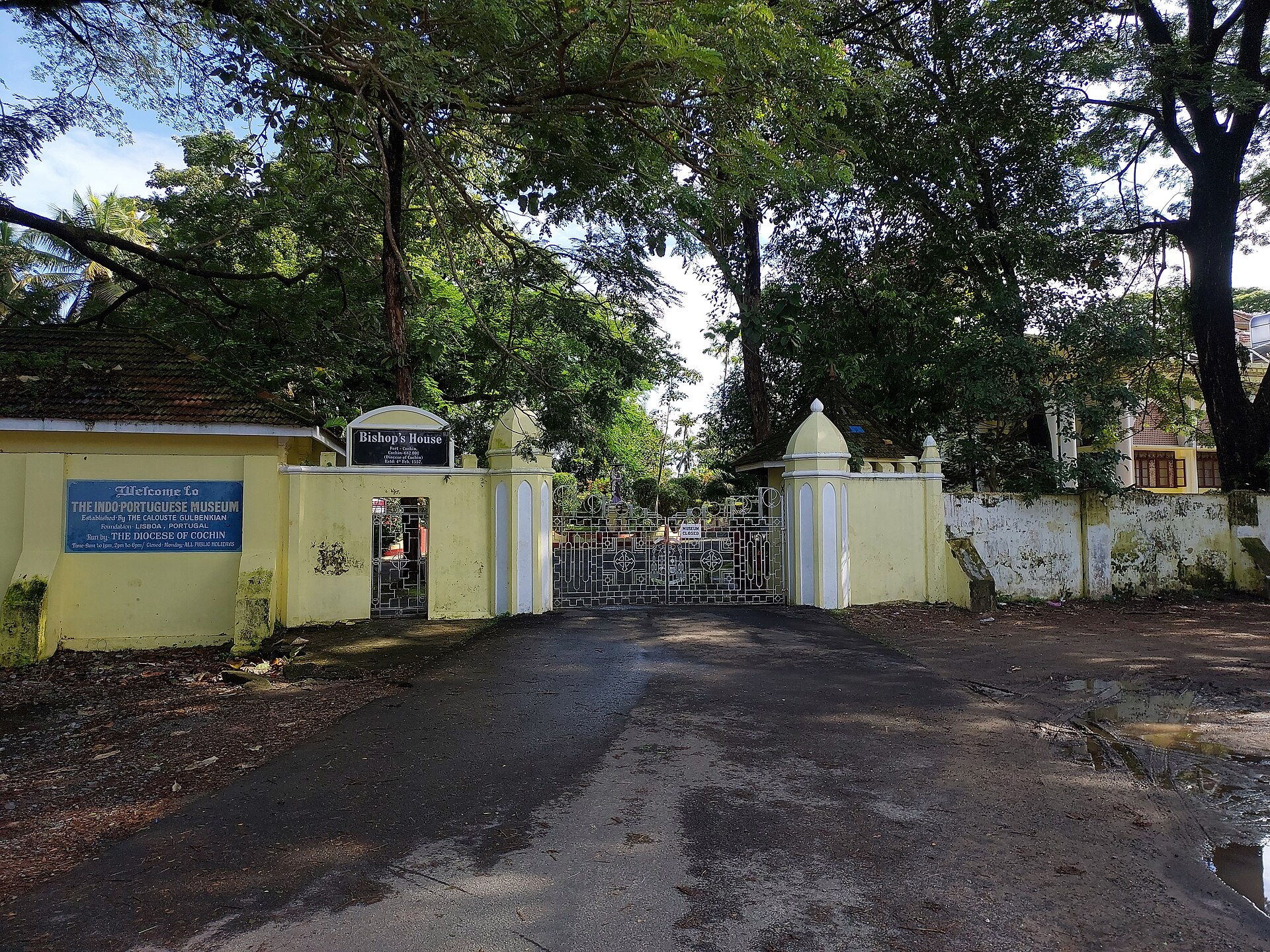
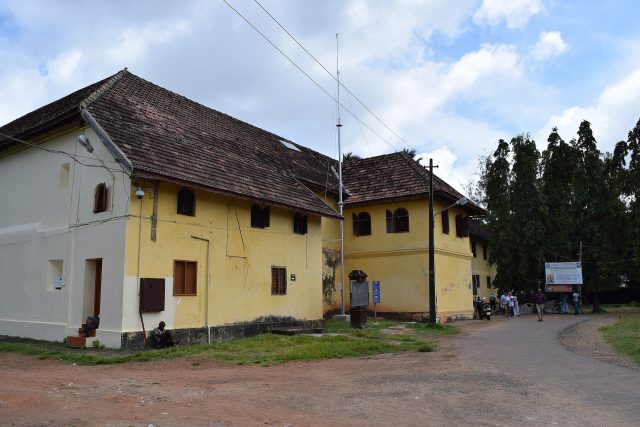
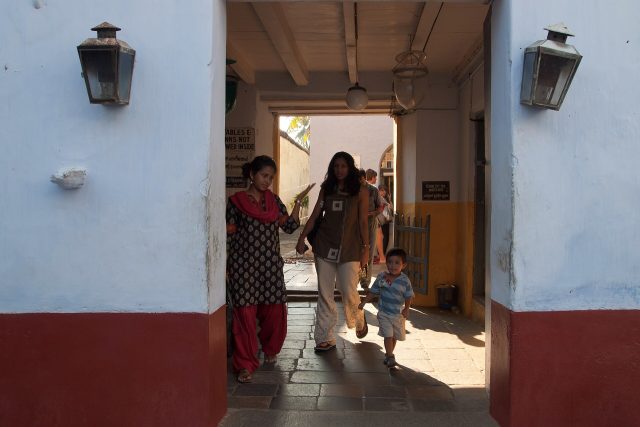
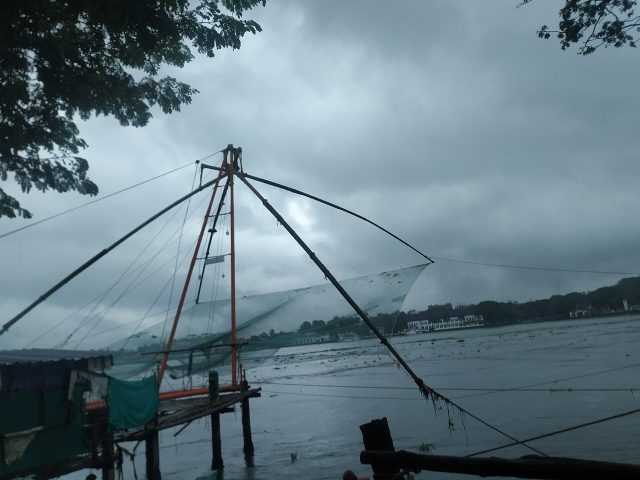
The Indo-Portuguese Museum in Kochi is one of those quiet places where history lingers in the air, thick with the weight of centuries. Tucked within the old walls of Fort Kochi, the building itself is a relic of the time when Portuguese explorers first set foot on Indian soil, establishing their earliest European outpost in the subcontinent. Originally built as the residence of Portuguese bishops, the structure still carries the marks of its past—heavy wooden beams, soaring ceilings, and narrow windows that filter sunlight into soft, golden pools on the floor. The architecture feels like a conversation between two worlds, one European, the other Indian, each shaping the other in ways that are still visible today.
The museum’s collection tells the story of an era when India and Portugal were bound not just by trade, but by a slow, often uneasy exchange of culture, religion, and craftsmanship. Among the exhibits are objects that crossed oceans in the 16th century—maps drawn by Portuguese navigators, intricately carved religious artifacts, and everyday items that reveal how people lived during those early years of contact. There are pieces of furniture that might have graced a bishop’s chambers, delicate jewelry, and even weapons that once defended the fort. But what stands out are the details—the hand-painted ceilings, the wooden panels with their elaborate carvings—that have survived the centuries, offering a glimpse into the lives of those who walked these halls long ago.
One of the most striking rooms holds religious relics brought by Portuguese missionaries: crucifixes, icons, and altar pieces that blend European devotion with local artistry. These objects are more than just artifacts; they speak to the complex relationship between the colonizers and the colonized, a dynamic that was never simple. Elsewhere, the museum displays the more mundane side of life—tools, pottery, clothing—reminding visitors that history isn’t just about grand events, but also about the small, human moments that shaped daily existence. The collection is modest in size, but that only makes it feel more intimate, as if the past is being shared rather than displayed.
Fort Kochi itself is a place where history accumulates in layers. The Portuguese arrived in 1503, followed by the Dutch and then the British, each leaving their mark on the city’s architecture and culture. The Indo-Portuguese Museum is just one piece of this larger puzzle, but it offers a way to understand how Kochi became the place it is today. Walking through its rooms, it’s hard not to wonder about the lives that unfolded here—the merchants, soldiers, priests, and ordinary people whose stories are now woven into the fabric of the building.
Outside the museum, the past feels even closer. The fort overlooks the Arabian Sea, and the old Portuguese cannons still point toward the horizon, a reminder that this was once a place of both commerce and conflict. Nearby stands St. Francis Church, one of the oldest European churches in India, where Vasco da Gama was originally buried before his remains were moved to Portugal. These sites are connected by more than just geography; they’re part of a shared history that the museum helps to illuminate. Together, they create a sense of continuity, a thread running from the 16th century to the present day.
What makes the Indo-Portuguese Museum special isn’t its size or the rarity of its exhibits, but the way it invites visitors to step into the past without fanfare. There are no crowds here, no rush to move from one display to the next. Instead, there’s time to linger, to imagine the voices that once filled these rooms, the footsteps that echoed down these halls. The air carries the scent of aged wood and the faint saltiness of the sea, a reminder that this place has always been shaped by its surroundings. In moments like these, history feels less like a distant record and more like something alive, something that still breathes in the quiet corners of the world.
Visiting the museum isn’t just about seeing objects behind glass; it’s about sensing the weight of time. The building doesn’t try to impress with grandeur, and that’s precisely why it works. It offers a space to reflect on how cultures collide and merge, how people adapt and endure. The stories here aren’t just about conquest or trade, but about the everyday lives that unfolded in their shadow. And perhaps that’s the most human part of all—realizing that the hopes, struggles, and small joys of the past aren’t so different from our own.