The South Tipperary County Museum in Clonmel is one of those places where history doesn’t just sit behind glass—it breathes. Housed in a former Royal Irish Constabulary barracks from the mid-19th century, the building itself is a piece of the past. Its thick stone walls and high ceilings were designed for a different era, when Ireland was still under British rule, and the narrow windows served as much for defense as they did for light. Now, those same walls hold stories of the people who shaped this corner of the country, from farmers and craftsmen to rebels and dreamers.
The museum’s exhibits span centuries, but the focus is firmly on the local. You’ll find tools that once tilled the fields of Tipperary, household items that reveal the rhythms of daily life generations ago, and artifacts that speak to the region’s resilience. One of the most moving sections deals with the Great Famine of the 1840s, a catastrophe that reshaped Ireland forever. The displays don’t shy away from the hardship, but they also show how communities endured, adapting and rebuilding in the decades that followed. Later exhibits touch on the struggle for Irish independence, grounding national history in the experiences of South Tipperary’s own people.
Craftsmanship has always been a point of pride here, and the museum dedicates space to the skills that once sustained the region. Pottery, weaving, and metalwork were more than just trades—they were traditions passed down through families. Some exhibits showcase the finished products, like intricately woven linen or sturdy ceramic jugs, while others offer a glimpse into the process itself. Occasionally, you might even see a demonstration, where a local artisan works with wool or flax, keeping old techniques alive. These aren’t just relics; they’re proof of a living heritage, one that still thrives in workshops and kitchens across the county.
Beyond history and craft, the museum also explores the natural landscape that has defined South Tipperary. The region is known for its rolling hills, the winding River Suir, and valleys that have inspired artists for centuries. Exhibits include maps, photographs, and accounts of how people have interacted with this land—whether through farming, fishing, or simply finding shelter in its folds. There’s a quiet poetry to the way the displays connect human stories to the environment, showing how the land shaped the people just as much as they shaped it.
Culture, too, has a place here. South Tipperary has produced its share of musicians, writers, and artists, and the museum works to preserve their legacies. You might come across handwritten manuscripts, concert posters from long-ago performances, or personal items belonging to figures who left their mark on Irish folklore. Traditional music, in particular, gets special attention, with instruments and recordings that trace the evolution of a sound that’s still heard in pubs and festivals today. The museum also supports contemporary creators, hosting temporary exhibitions that bridge the gap between past and present.
What makes this museum different is its atmosphere. There’s no rush, no crowds, just a quiet reverence for the stories being told. The guides, many of whom are locals, speak with a warmth that makes the past feel immediate, as if they’re sharing memories rather than reciting facts. Sometimes, the museum hosts events—a lecture on local history, a workshop on traditional crafts, or an evening of live music. These moments turn a visit into something more than just looking at objects; they make you feel like part of the story.
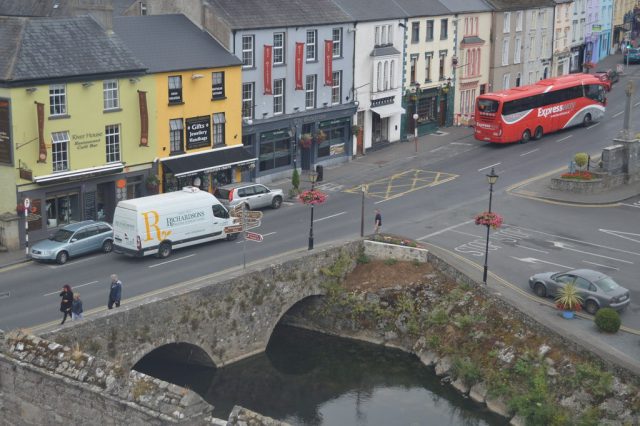
Clonmel itself is a town that rewards slow exploration. Unlike Dublin or Cork, it doesn’t draw huge crowds, which means you can wander its streets without the hum of tourism in the background. The River Suir runs through the center, its banks lined with old stone buildings and the occasional pub where the music spills out onto the pavement. After a visit to the museum, it’s easy to imagine the lives of the people whose belongings are on display—walking these same streets, working in these same fields, or gathering in those same pubs. The town feels like a natural extension of the museum, a place where history isn’t confined to exhibits but lives in the air.
This isn’t a museum where you race from one display to the next. It’s the kind of place where you might linger over a single object, tracing the wear on a wooden tool or reading a faded letter, wondering about the hands that held it. Some visitors spend an hour; others lose themselves for half a day. There’s no pressure to see everything at once. Instead, the museum invites you to take your time, to let the stories sink in. For anyone curious about Ireland beyond the postcards—its people, its struggles, its quiet beauty—this is a place that offers more than just information. It offers a connection.