The Museum of the City of Havana isn’t just a building filled with artifacts—it’s a living record of one of the most vibrant corners of the Caribbean. Housed in the former Palace of the Captains General, it sits at the heart of Old Havana, a structure that is itself a monument to history and architecture. Built in the mid-18th century as the residence of Spanish governors, the palace witnessed an era when Cuba was a crucial outpost of the Spanish Empire in the New World. Today, its grand halls, inner courtyards, and even antique carriages offer visitors a tangible connection to the colonial past, making history feel almost within reach.
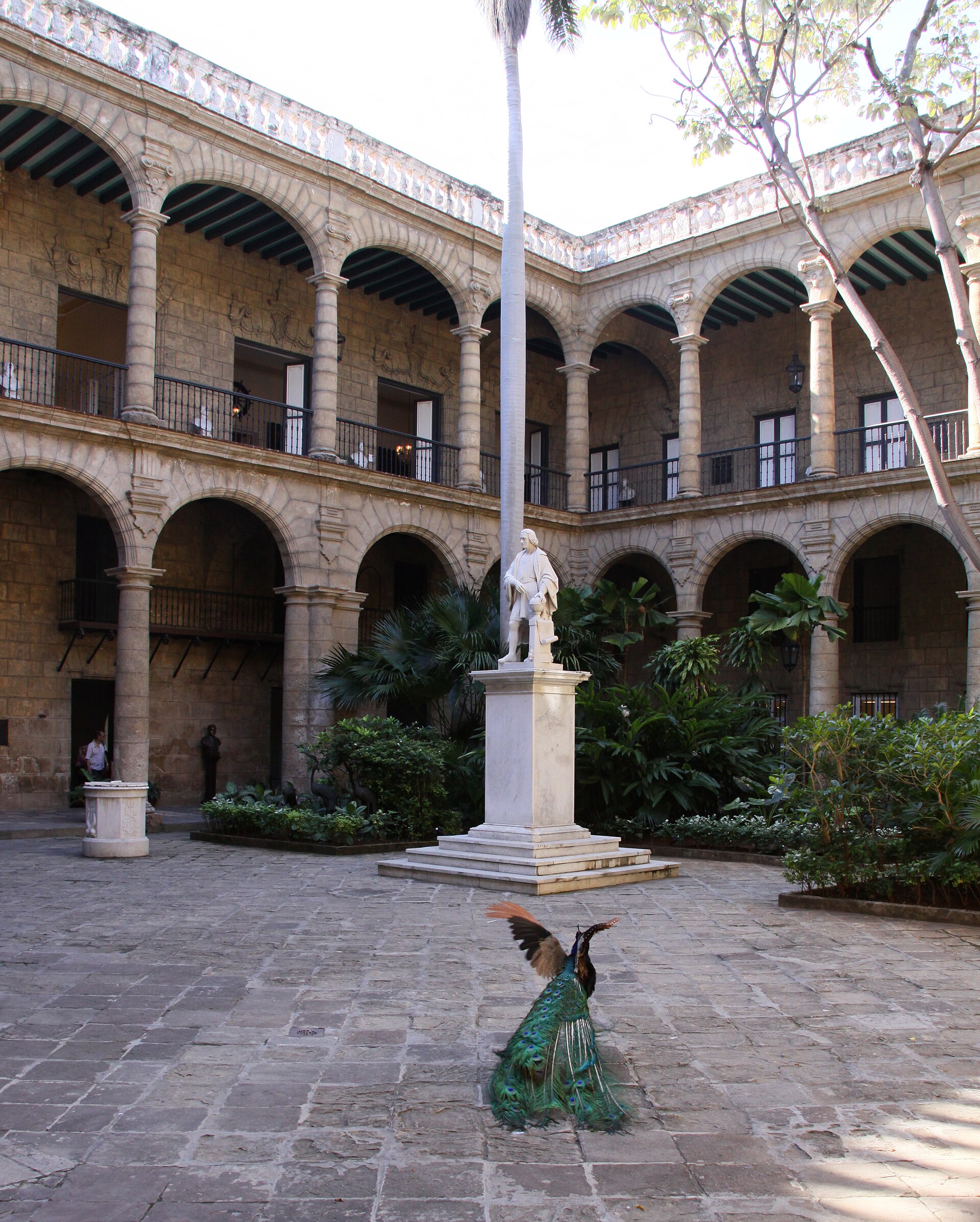
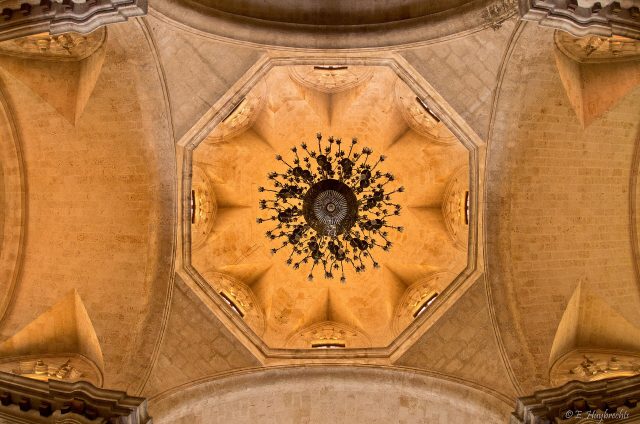
The palace is a masterpiece of Baroque architecture, blending European traditions with local influences. Its thick walls of coral stone, heavy wooden doors, and intricate wrought-iron balconies are hallmarks of Havana’s colonial style. The most striking feature is the inner courtyard, once the stage for official receptions and balls, now a quiet space where the echoes of the past linger. Standing there, it’s easy to imagine the murmur of conversations in Spanish, French, and even Latin, the clink of glasses, and the music that once filled the air.
The museum’s exhibits span centuries of Havana’s history, from its founding in the 16th century to the present day. Visitors can explore archaeological finds from early settlements, documents detailing Cuba’s struggle for independence, and artifacts that paint a vivid picture of life in the city. A highlight is the collection dedicated to the 19th century, when Havana was one of the wealthiest and most cosmopolitan cities in the Americas. Display cases hold everyday objects, clothing, weapons, maps, and personal items belonging to figures who shaped the city’s destiny—furniture from the homes of Creole aristocrats, tools used by enslaved workers on sugar plantations, and more.
One of the most fascinating sections focuses on piracy and the city’s defenses. Havana was a frequent target for pirates and privateers, prompting the Spanish to build formidable fortifications to protect their riches. The museum houses models of these forts, cannons, cannonballs, and even personal effects of infamous pirates like Francis Drake. These exhibits serve as a reminder that Havana’s history was as dangerous as it was glamorous. Nearby, documents and artifacts recount the construction of the fortresses that still guard the harbor entrance, standing as enduring symbols of the city.
What sets this museum apart is its immersive approach. Rather than presenting history as a dry academic subject, it invites visitors to step into the past. One room recreates the governor’s office with original furniture and documents, while another depicts a bustling port scene with model ships and figures. The early 20th-century photographs are particularly moving, capturing the streets, people, and daily life of a city already defined by contrasts—wealth and poverty, tradition and change.
In recent years, the museum has expanded its focus to include modern Havana. New exhibits explore the city’s culture, music, and contemporary challenges. One section delves into 20th-century architecture, when Havana became a testing ground for modernist ideas. Visitors can see photographs and models of buildings from the socialist era, as well as learn about the city’s ongoing efforts to preserve its heritage amid decay. It’s a reminder that Havana’s story is still being written.
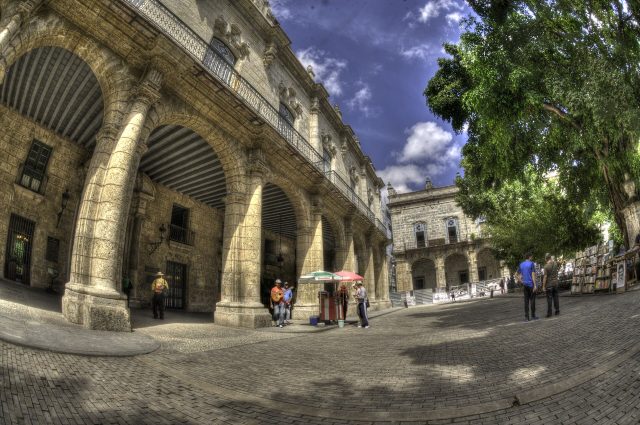
A visit to the museum naturally leads to exploring Old Havana itself, a living open-air museum. After wandering through the exhibits, stepping into Plaza de Armas—where military parades once took place—feels like a continuation of the journey. The surrounding streets pulse with life: musicians play son and salsa, vendors sell souvenirs, and locals go about their day. The neighborhood is a patchwork of eras, where crumbling colonial mansions stand beside restored churches and contemporary galleries, all coexisting in a way that feels uniquely Havana.
This isn’t a place for rushed tourists or quick photo ops. The Museum of the City of Havana invites reflection, offering a quiet space to absorb the layers of history that have shaped the city. Each room, each artifact, tells a story, and together they form a mosaic that explains why Havana is the way it is today. It’s more than a museum—it’s a key to understanding the soul of the city. Even those who usually skip museums might find themselves lingering here, realizing how much a single building can reveal about an entire world.