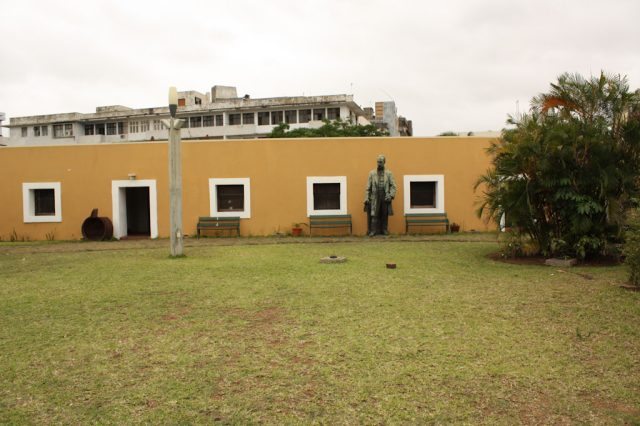
The Natural History Museum in Maputo is one of those quiet places that tells the story of Mozambique not through grand historical narratives, but through the everyday world that surrounds its people—its animals, plants, minerals, and traditions. Housed in an unassuming colonial-era building in the heart of the city, the museum doesn’t immediately catch the eye from the outside. Yet inside, it holds a whole universe of Mozambican nature, presented with a sincerity that makes it far more compelling than flashier attractions. There are no high-tech exhibits or immersive displays here, just the raw, unfiltered essence of the country’s natural and cultural heritage.
The museum’s collections are divided into several key sections, each offering a glimpse into different facets of Mozambique’s biodiversity. The zoology halls feature taxidermied specimens of animals native to the region—elephants, lions, antelopes, and crocodiles, alongside rarer species that have become harder to spot in the wild. The country’s long coastline along the Indian Ocean is reflected in the marine exhibits, where whale skeletons, sea turtle shells, and carefully preserved shells from the last century evoke the rich life beneath the waves. Some of these specimens still look remarkably fresh, as if they were collected yesterday rather than decades ago.
A separate hall is dedicated to botany, showcasing the incredible variety of plant life that thrives in Mozambique’s diverse ecosystems. Herbarium collections include everything from towering baobabs to humble grasses that form the backbone of rural agriculture. Many of the displays come with simple explanations of how these plants are used in traditional medicine, cooking, or crafts, turning the exhibit into a living encyclopedia of local knowledge. It’s a reminder of how deeply intertwined people and nature have always been in this part of the world.
The ethnographic section is perhaps the most human of all, offering insights into the daily lives and traditions of Mozambique’s many ethnic groups, including the Makonde, Makua, and Tsonga. Here, visitors can see intricately carved wooden masks, handcrafted musical instruments, tools, weapons, and jewelry, each with its own story. Some exhibits include old photographs or illustrations showing how these objects were used—whether as protective charms, cooking vessels, or ceremonial items. This part of the museum feels particularly intimate, bridging the gap between the natural world and the people who have shaped, and been shaped by, it over generations.
The building itself is a piece of history. Constructed in the early 20th century, it originally served as an administrative center during the colonial period. Its architecture blends European influences with local sensibilities—high ceilings, large windows, and spacious halls, all softened by the understated elegance typical of Portuguese colonial design. Over the years, the structure has weathered, but recent restoration efforts have begun to breathe new life into it. Inside, original stained glass and ornate plasterwork still remain, hinting at the building’s past while serving as a fitting home for the museum’s collections.
The museum is small enough to explore in a couple of hours, but its size is part of its charm. There are no crowds, no rushed tours, no pressure to move along—just a quiet, unhurried space where visitors can take their time. Most of those who come are locals: schoolchildren on field trips, university students, or curious residents with an interest in their country’s natural and cultural heritage. The atmosphere is relaxed, almost like stepping into someone’s home, where the staff are often happy to share their knowledge if asked. There’s no café or gift shop, just a modest library with books on Mozambique’s natural history and culture, offering a chance to dive deeper if you’re inclined.
For foreign visitors accustomed to grand museums with blockbuster exhibits, the Natural History Museum might seem modest at first glance. But that’s precisely where its appeal lies. There’s no attempt to dazzle or entertain—just a quiet dedication to preserving and presenting what truly matters. It’s a place where Mozambique reveals itself not as a postcard-perfect destination of white-sand beaches and luxury resorts, but as a country of raw, untamed beauty, where nature and culture coexist in a delicate balance.
More than just a collection of artifacts, the museum serves as a bridge between past and present, reminding visitors of the fragility and uniqueness of Mozambique’s ecosystems and the richness of its cultural traditions. In an age where so much of the world is experienced through screens, places like this offer something rare: the chance to slow down, observe, and truly understand. It’s a museum that doesn’t just show you things—it teaches you to see them, to listen, and to appreciate the quiet stories they hold. And perhaps that’s why, despite its modest scale, it remains one of the most meaningful places to visit in Maputo.