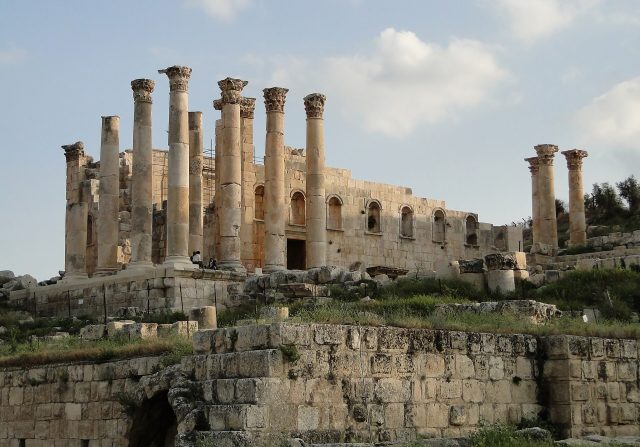
Jerash Museum sits within the ancient ruins of Jerash. It doesn’t compete with grand displays or flashy exhibits. Instead, it holds everyday objects that once belonged to the people who walked these streets centuries ago. The museum is small. Its simplicity is part of what makes it work.
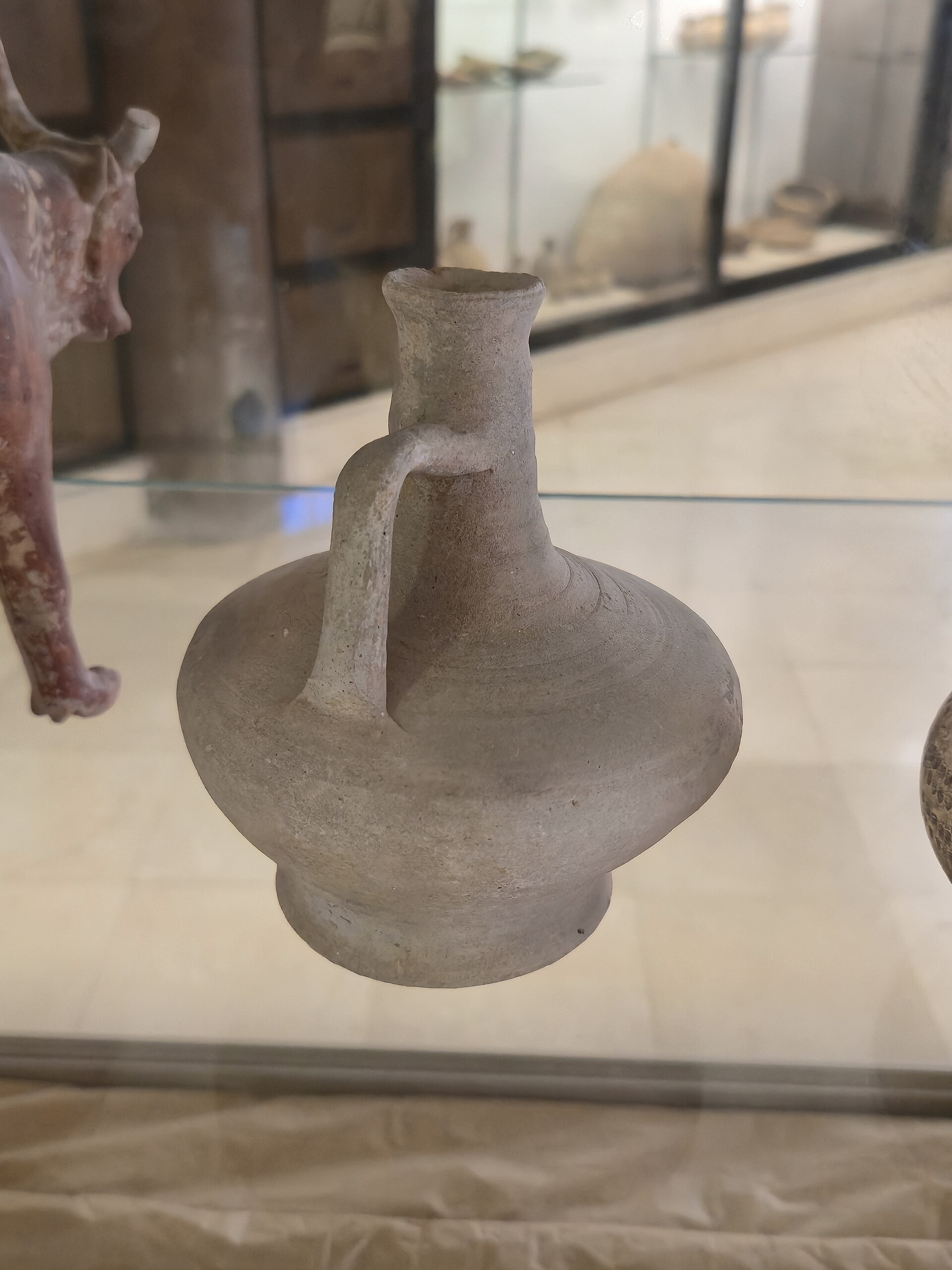
The exhibits cover thousands of years, from the Neolithic era to the Ottoman period, but the core of the collection is Jerash’s Roman past. As Gerasa, the city was one of the ten cities of the Decapolis. The museum displays mosaics with geometric patterns and animal motifs, coins stamped with emperors’ profiles, and household items like clay lamps and pottery. A chipped bowl or a rusted tool often says more about daily life than a perfect artifact.
The numismatics room holds coins from the Roman Empire, Byzantine era, and Islamic periods. Each one marks trade routes, shifting borders, or the rise and fall of empires. A coin from Antioch might have passed through a market stall here. Another, bearing a caliph’s image, shows the city’s later changes. These small metal discs were once the foundation of commerce and power.
The museum avoids isolating objects from their context. Next to a mosaic fragment, you might see a photograph of the villa where it was originally laid. Beside a clay jar, an illustration of the marketplace where it was sold. A bronze strigil, used in Roman baths, means more when you’ve just walked past the ruins of those baths outside. The museum doesn’t just preserve history—it ties it back to the place where it happened.
The building itself has a past. Built in the early 20th century, it started as a school before becoming an administrative center. Local stonework mixes with European influences—thick walls, arched doorways, wooden shutters. Inside, carved doors and wrought-iron window grilles remain. The space feels lived-in, as if the past lingers in the air.
Visit the archaeological park first. After seeing Jerash’s grand ruins—the Cardo’s columns, the temples, the theaters—the museum’s exhibits change. A fragment of a water pipe makes you notice the ancient fountains outside. Glass perfume bottles feel more personal when you’ve stood in the remains of a Roman house. The museum fills in the gaps between what’s left standing and what’s been lost.
There’s no rush here. You can linger over jewelry, tracing the patterns of a bracelet, or read labels without feeling in the way. The museum doesn’t demand attention; it earns it slowly.
Morning or late afternoon are the best times to visit. Sunlight spills through tall windows, or the museum empties, leaving only the creak of floorboards and the hum of the city outside. It’s not a place to hurry through. Each object asks you to pause, to wonder about the hands that held it. In a world that moves too fast, Jerash Museum reminds you that some things are worth your time.