The Yotvata Nature House sits on the edge of the Arava Desert, away from Eilat’s bustle. No crowds, no loudspeakers—just a low building where you can watch desert life up close.
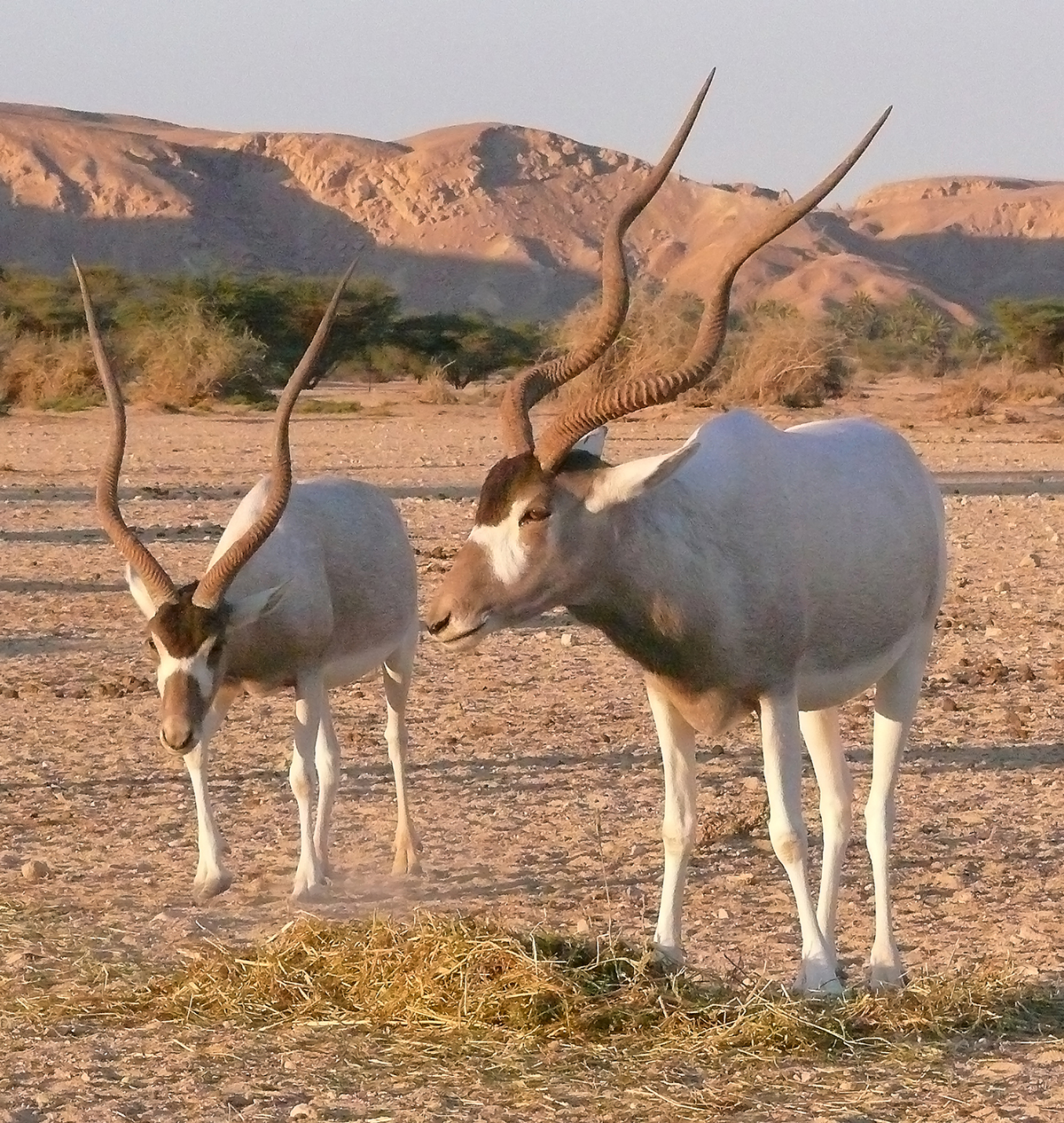
Here, the Arava’s extremes shape everything. Summer temperatures climb past forty degrees Celsius, and rain is scarce even in winter. Yet the exhibits show how life persists: spiny shrubs that wait years for water, rodents that move only at night, insects with adaptations that seem impossible. The displays don’t just list facts—they show how a landscape that looks empty is actually full of strategies for survival.
Birds are a highlight. The Arava lies on a migration route between Europe and Africa, and the museum explains how millions of birds cross the desert each year. Taxidermy specimens, flight path maps, and recordings of calls reveal how they time their journeys to avoid the worst heat and where they rest along the way. The desert isn’t silent—it’s a temporary home for species most visitors never notice.
The museum’s layout moves from the general to the specific. First, an overview of the Arava’s ecosystem. Then, plants, animals, and geology, each explained in plain terms. Why do camel thorn bushes need no irrigation? How do sand foxes dig burrows that stay cool? What plants did Bedouins use for food and medicine? The answers aren’t academic—they’re practical, the kind of knowledge that’s been passed down for generations.
A single room focuses on human life. Tools for collecting water, traditional clothing, and everyday objects show how people have lived here long before Eilat became a tourist hub. The displays don’t glorify or dramatize—just present the ways humans and desert have adapted to each other.
There are no interactive screens or VR headsets. The exhibits are real: preserved specimens, pressed plants, photographs of the desert in different seasons. That simplicity makes the visit feel honest. It’s not about spectacle—it’s about paying attention to what’s usually ignored.
Afterward, the desert looks different. You notice the clusters of plants, the animal tracks in the sand, the small signs of life in a place that seems barren. The museum doesn’t try to be impressive—it just tells the story of a landscape that’s far from empty.
If you’re in Eilat for beaches and shopping, this isn’t for you. But if you want to see how life thrives in one of the planet’s harshest places, it’s worth the stop. The Yotvata Nature House doesn’t offer distractions—just a quiet look at how the desert works.