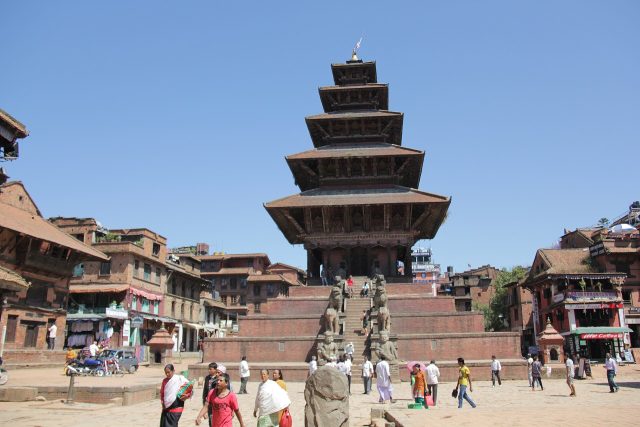
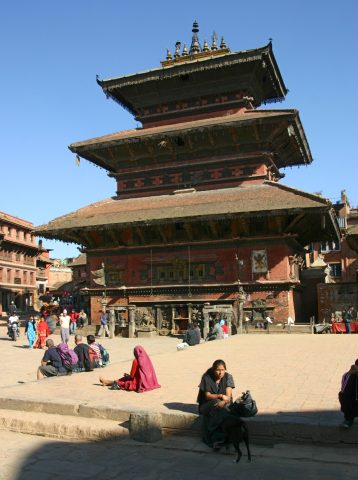
You find this place by accident. Not for its size or tourist crowds, but for the way it holds the quiet rhythm of an old Nepali city in metal and craftsmanship. It sits in one of the traditional buildings on Durbar Square, easy to miss at first glance. The value isn’t in grand displays but in the details—objects that once belonged to people’s lives, now kept behind glass.
Bhaktapur has always been a city of metalworkers. Bronze and brass here aren’t just materials; they carry a legacy passed down through generations. The museum shows how these objects changed—ritual vessels, deity figurines, lamps, incense burners, door handles. Each piece connects to faith, trade, or family traditions, offering a glimpse into the lives of those who used them.
The building itself is Newari architecture. Thick brick walls, carved wooden beams, a stone-paved courtyard. Inside, the space is simple, with exhibits on wooden shelves and in glass cases. Soft light filters through small windows, touching the polished metal.
Ritual objects fill the collection. In Nepal, where Hinduism and Buddhism blend, metalwork was central to ceremonies. The museum holds brass mandalas, temple bells, incense burners, deity statues. Some pieces are so finely made they seem almost alive.
The tradition of bronze and brass casting still lives in Bhaktapur. Nearby workshops produce replicas of antique pieces or create new ones using old techniques. You can step inside and watch—from casting to the final polish—seeing a craft that hasn’t faded.
The museum’s strength is its restraint. The collection isn’t vast. There’s no rush to see everything. You linger, focusing on individual pieces. A pitcher’s patterns, a small goddess figurine—you wonder about the hands that made it, the rituals it was part of.
For those curious about Nepal’s history, the museum shows how people lived here over centuries. Bhaktapur was a place where art, religion, and daily life mixed. The metal objects reflect this: they could be worshipped, used at home, or given as wedding gifts.
A visit here fits well with a walk through Bhaktapur. The city feels like an open-air museum—every street, temple, and drainage system carries history. After the museum, stop at a teahouse where tea is served in brass kettles, or browse market stalls selling handmade crafts.
This museum won’t top guidebook lists. But sometimes the quiet places leave the deepest mark. No rush, no crowd, no guide. Just the warm glow of metal and a history that speaks softly.