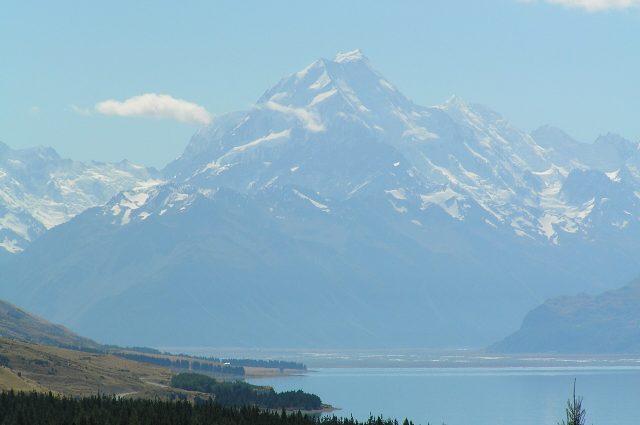
Where the Southern Alps rise against the sky, the Alpine Fighter Collection shows how aviation shaped this part of New Zealand. There’s no grand spectacle. The museum holds real stories—of pilots who flew through treacherous winds, of aircraft that served as lifelines in a landscape that resists human presence. The planes on display saw an era when flying over these mountains wasn’t just difficult; it was essential.
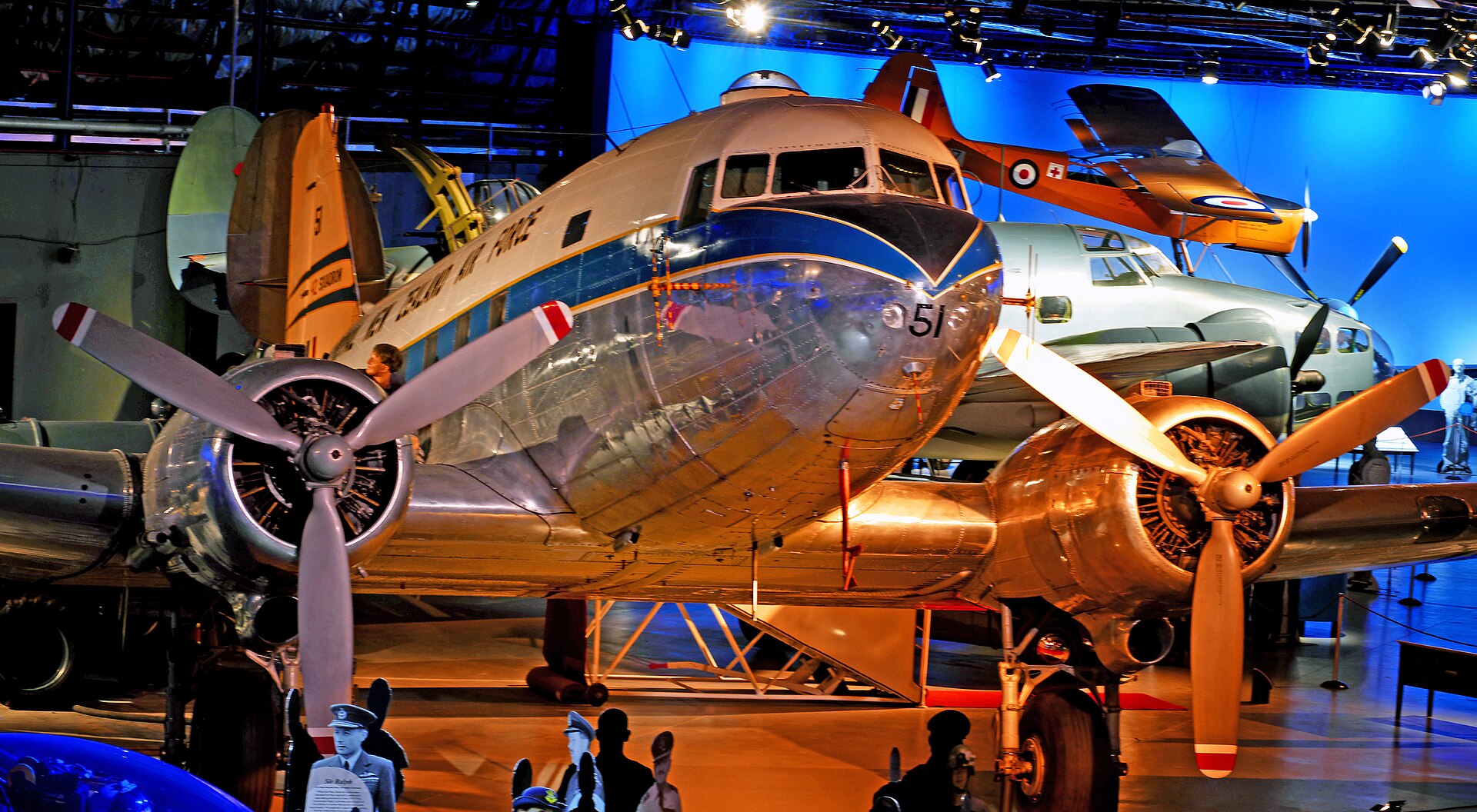
The collection covers military and civilian aviation. The civilian planes define the museum. They connected remote communities, delivered supplies to isolated huts, and rescued climbers from glaciers. The De Havilland Beaver stands as a symbol of that time—its design built to handle unpredictable weather and rough landings on makeshift airstrips. These aircraft adapted, evolving with the pilots who depended on them. The museum shows how man and machine learned to trust each other when failure wasn’t an option.
The focus on the people behind the controls makes the museum engaging. Many pilots started their careers after the war, when aviation in the mountains was still new. Navigation relied on landmarks, landings were improvised, and decisions had to be made fast. Some pilots became local legends, their names remembered by those who live near the peaks. The museum preserves these stories through personal artifacts—logbooks, photographs, and handwritten notes left in cockpits. Behind every flight was a person working with limited resources and facing risks most of us can’t imagine.
The setting is part of the experience. Housed in hangars, the aircraft are arranged as if ready to take off. Visitors can walk up to the planes, see the wear on their fuselages, and imagine the sound of their engines echoing through the valleys. Some planes are in pristine condition; others show marks of their service—patches, dents, repairs. Nearby, photographs and documents provide context, showing the harsh realities of flying where weather changes quickly and the terrain offers few second chances.
Aviation transformed life in this part of New Zealand. In the mid-20th century, planes became the only reliable link between the outside world and scattered mountain settlements. They carried mail, medical supplies, and building materials, enabling projects that would have been impossible otherwise. The exhibits include fuel shortages, mechanical failures, and the ever-present danger of flying in such an unforgiving environment. It’s a story of progress that acknowledges its costs.
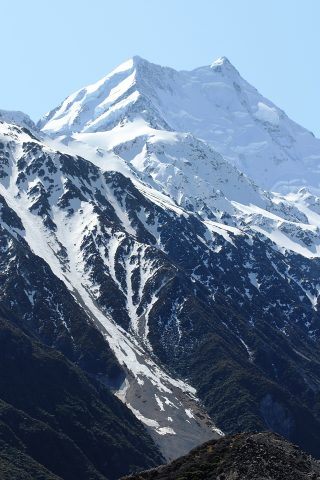
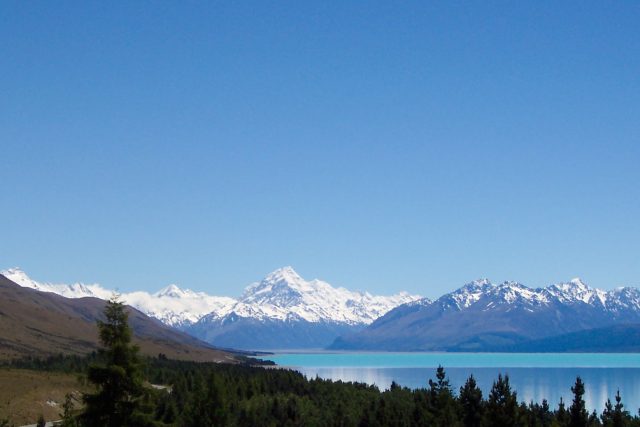
For visitors, the museum contrasts with the natural beauty of Aoraki/Mount Cook National Park. After hiking a glacier or stargazing, it’s a chance to see how humans interacted with this landscape from above. The exhibits don’t romanticize the experience; they show it as it was—difficult and dangerous. There are no heroic narratives, just the recognition of what it took to make these mountains less isolated. The planes weren’t built for glory; they were built to work, and that’s what makes their stories compelling.
Nature here is raw and powerful. Storms appear without warning, and the terrain offers no mercy. Aviation didn’t tame this environment; it found a way to coexist. The exhibits include crashes, rescues, and near-misses, showing the fine line between success and disaster. These stories highlight the reality of flying in such a place—where skill and luck often went together.
The museum preserves more than machines. It preserves the memory of those who flew them, maintained them, and relied on them. The stories are told with humility, recognizing that these weren’t superheroes, just people doing extraordinary things. That’s what makes the Alpine Fighter Collection more than a museum—it’s a tribute to the quiet courage of those who made the skies over the Southern Alps safer, one flight at a time.
If you’re passing through, it’s a chance to see history not as something distant, but as something lived.