The Museum of Archaeology and Ethnography in Huehuetenango is quiet. Few tourists visit, and that makes it special. You can take your time here, surrounded by objects that reveal the region’s past—and Guatemala’s, where Maya history remains alive beneath modern life.
Huehuetenango lies in the western highlands, where Maya traditions have survived centuries of change. The town isn’t in most guidebooks, which is why it feels real. There’s no rush, no staged performances—just culture enduring. The museum, though small, helps keep that alive. Its collection includes pre-Columbian artifacts, indigenous household items, and colonial-era remnants, each piece part of a larger story.
The archaeological displays feature pottery, stone tools, jewelry, and ritual objects found in Huehuetenango. Clay figurines and vessels stand out, their Maya designs clear. Some are over two thousand years old; others come from the era after Spanish arrival. These aren’t just old things—they’re traces of people who lived, worked, and shaped this land long before us.
The ethnographic section shows Maya life in Huehuetenango today. Textiles with hand-stitched patterns hang near ceremonial masks, musical instruments, and tools. The fabrics matter most—their colors and symbols carry meaning. They record family histories, village identities, and traditions passed down through generations. For the women who make them, weaving preserves knowledge.
The museum occupies an old building with thick walls and wooden beams. It doesn’t feel grand, just solid. There’s no pressure to hurry. The quiet lets you notice details—how a pot was shaped, the stitches in a textile, the wear on a tool.
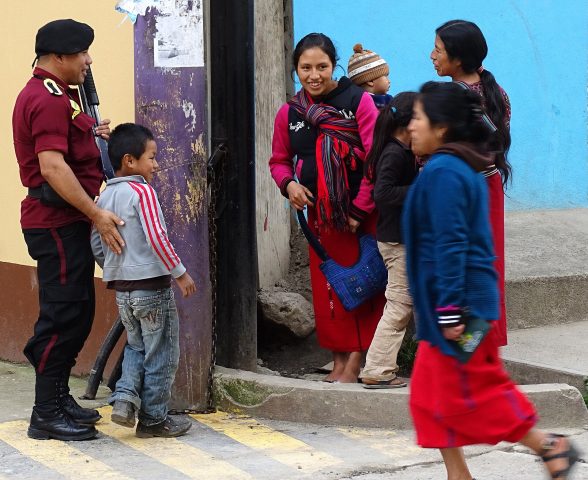
In Huehuetenango, past and present mix. On the streets, women wear traditional clothing, conversations happen in Maya languages, and artisans use skills handed down for centuries. The museum isn’t separate from this—it’s part of it. It shows how this region’s identity was built, piece by piece, by the people who lived here.
If you care about Maya history, the museum is a good place to start. There are no big revelations, just real things. The exhibits don’t shout for attention; they sit there, waiting. That’s why it doesn’t attract crowds. It’s for those who want to understand, not just glance.
Visiting isn’t about checking off a sight. It’s about paying attention. Huehuetenango moves slowly, and the museum does too. You can look closely, ask questions, notice what’s often missed. Sometimes locals are there, happy to explain what these objects mean to them.
Guatemala holds old traditions and new life side by side. Huehuetenango and its museum show that clearly. No grand speeches are needed. The history is there, in the quiet of the rooms. You just have to walk in and look.