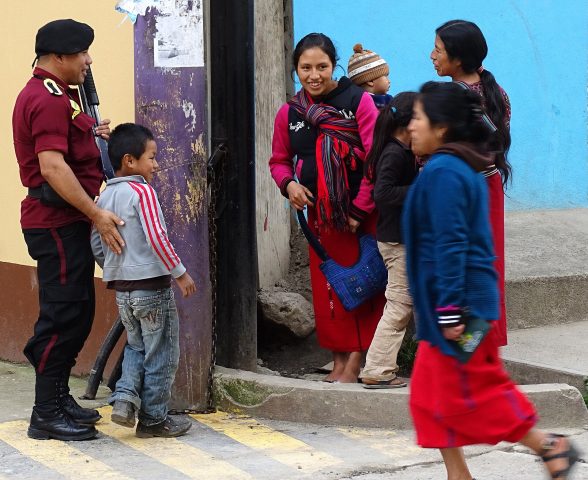
Huehuetenango’s municipal market isn’t just a place to buy groceries or everyday goods—it’s the beating heart of the city, a living space that breathes with the rhythm of daily life. Unlike the sterile aisles of a supermarket, this market sprawls in a maze of narrow passages, where every turn reveals something unexpected: stacks of vibrant textiles, mounds of spices, handmade clay pottery, and fruits you won’t find anywhere else in the country. It’s open every day, but Sundays bring the biggest crowds, when vendors and shoppers from surrounding villages pour in, turning the market into a bustling hub of activity.
Perched high in the western highlands of Guatemala, Huehuetenango is a city shaped by its mountainous landscape, and the market reflects that. Here, you’ll find what’s grown and made in the valleys and slopes nearby—coffee, potatoes, avocados, corn, and beans. But the real treasures are the traditional textiles, woven on backstrap looms. Their colors and patterns often reveal which village they came from, as each community has its own weaving and dyeing traditions. Women in brightly colored *huipiles* often sell their own work, and if you’re lucky, you might even see them weaving right there at their stalls.
The market’s history is woven into the story of Huehuetenango itself. The city was founded during colonial times, but long before the Spanish arrived, the Maya had been trading in these lands for centuries. The market has always been more than just a place to buy and sell—it’s a social center where deals are made, news is shared, and celebrations unfold. Even now, with modern stores popping up in the city, the market hasn’t lost its importance. For many locals, it’s still the only place to find everything they need without extra costs or middlemen.
The market’s architecture is simple and practical. Most of it is open-air, sheltered by corrugated metal roofs that shield against rain and sun. Low concrete and brick buildings house stalls selling meat, fish, cheese, and other perishables. The air is thick with the smells of fresh herbs, grilled meat, coffee, and spices. The sounds are just as vivid—a mix of voices bargaining in Spanish and local Mayan languages, vendors calling out their goods, and the occasional strum of a guitar or a folk song drifting through the crowd.
For visitors, the market offers a glimpse of the real Guatemala, far from tourist traps. There are no souvenir shops selling mass-produced trinkets here. Instead, you’ll find everyday items used by locals: clay water jugs, wooden spoons, woven baskets, and medicinal herbs. You can sample local food—*tamales* wrapped in banana leaves, hot tortillas fresh off the *comal*, and sweet fruits that grow in abundance here. If you’re lucky, you might strike up a conversation with a vendor, many of whom speak Spanish and are happy to share stories about their goods.
This isn’t a museum or a staged attraction. The market lives and breathes on its own terms, and life here isn’t always easy. You’ll see people working hard to support their families, holding onto traditions, and relying on community. Yet there’s a sense of celebration too, even on weekdays. Sundays turn the market into a lively festival, with vendors decorating their stalls with flowers, music playing, and children darting between the aisles while adults catch up on the latest news.
If you visit Huehuetenango, don’t just stick to the city center. The market is where you’ll feel the true pulse of the region. There are no tourist gimmicks, no pushy service, no attempt to cater to outsiders. Instead, there’s an authenticity that can feel rough around the edges but is always genuine. You could spend hours just watching the scene unfold or pick up something handmade, knowing it carries a piece of local culture.
The key is not to rush. The market isn’t a place for hurried shopping. Everything moves at the unhurried pace of the highlands, where time follows its own rules. You might wander in early, when vendors are just setting up, or later in the afternoon, as the market winds down and the last shoppers head home. Either way, it’s time well spent.