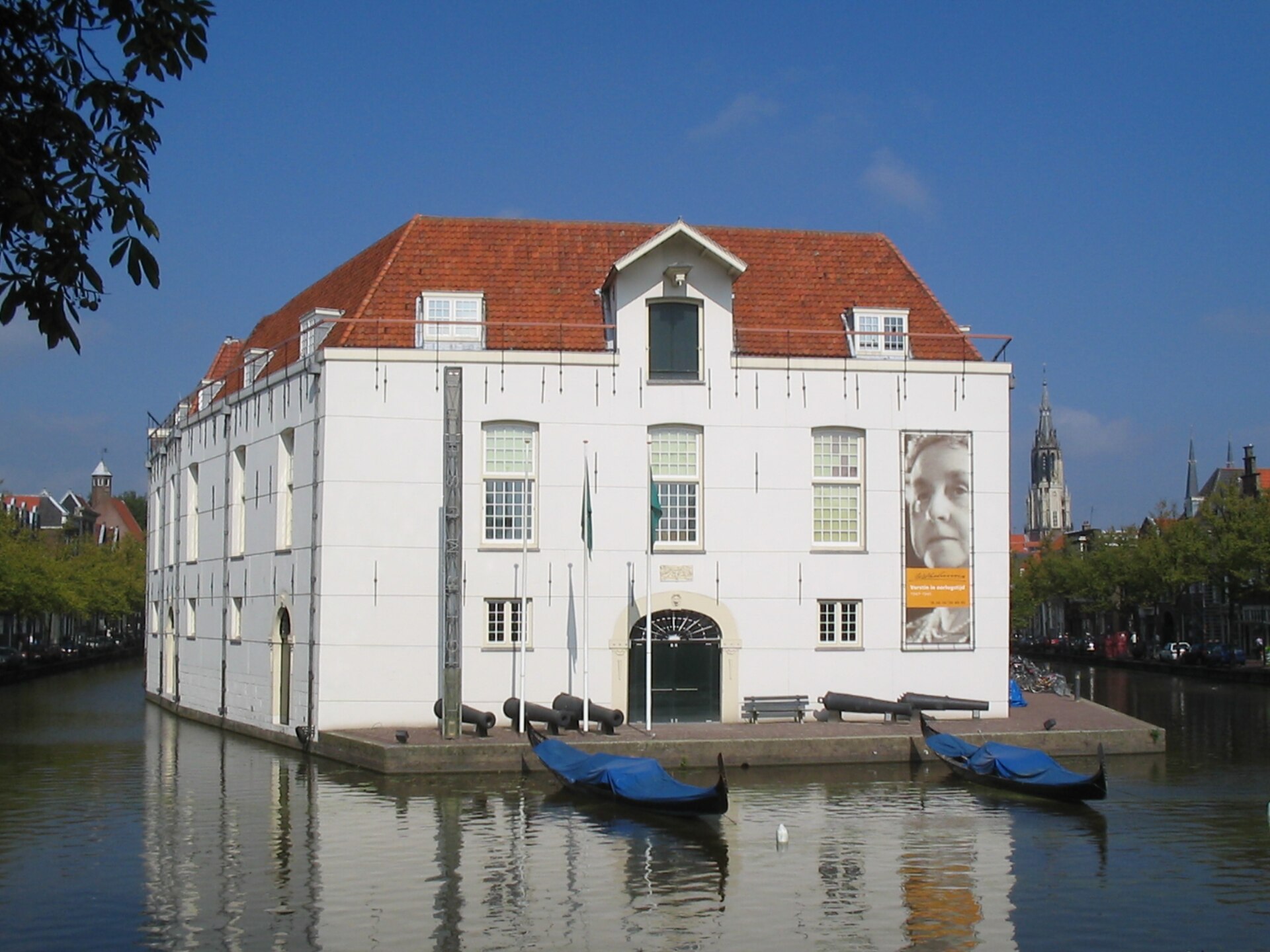
The Army Museum in Delft is more than just a collection of artifacts—it’s a place where Dutch history unfolds through the lives of those who shaped it. Housed in a former convent, the museum traces the country’s military past, from medieval battles to modern peacekeeping missions, without glorifying war. Instead, it focuses on its consequences, the evolution of technology, and the personal stories often overlooked in textbooks.
The building itself is a piece of history. Originally constructed in the 17th century as the Saint Agatha Convent, it has served various purposes over the centuries, from a place of worship to a military storage facility. Its thick brick walls, vaulted ceilings, and narrow windows evoke the quiet life of the nuns who once lived here. The inner courtyard, with its neatly trimmed lawns and old trees, offers a peaceful contrast to the weight of the exhibits inside. Walking through the halls, it’s hard not to wonder how many generations have passed through these rooms and how their purpose has changed over time.
The museum’s exhibits span centuries of Dutch military history, with a particular emphasis on the Golden Age, when the Netherlands was a dominant naval and colonial power. Visitors can see ship models, weapons, uniforms, and personal belongings of soldiers who fought in wars against Spain, England, and France. One of the most compelling sections is dedicated to the Eighty Years’ War, which led to Dutch independence. Rare maps, documents, and even soldiers’ diaries provide a ground-level view of the conflict, revealing the human experiences behind the grand narratives.
A separate hall is devoted to World War II and the Netherlands’ role in the war. Beyond military equipment and gear, the exhibits highlight stories of resistance, occupation, and liberation. The focus is on ordinary people—those who hid Jews, joined the underground, or simply struggled to survive amid hunger and repression. Personal items from concentration camp prisoners, underground newspapers, and homemade weapons used by resistance fighters serve as stark reminders that war is not just about strategy but about the lives it touches.
More recent conflicts are also covered, including the Netherlands’ involvement in peacekeeping missions in the Balkans, Afghanistan, and other global hotspots. Interactive displays allow visitors to step into the shoes of soldiers or peacekeepers—trying on body armor, assembling a rifle, or sitting in a helicopter cockpit. These elements make history tangible, especially for younger audiences, bridging the gap between past and present.
A quiet corner of the museum is dedicated to a memorial for fallen Dutch soldiers. The space is simple and understated, with names etched into the walls—a place where families come to honor their loved ones or strangers pause to reflect. It’s a reminder that behind every war are real people, and their sacrifices should not be forgotten.
The Army Museum in Delft isn’t just for military history enthusiasts. It’s a place that invites reflection on the cost of peace and freedom. There are no grand slogans or propaganda here, just facts, documents, and human stories. A visit leaves a mix of emotions—pride in a nation that fought for its independence, but also a sobering awareness of the price paid. The museum doesn’t provide easy answers; it encourages visitors to think, question, and draw their own conclusions. That, perhaps, is its greatest strength.