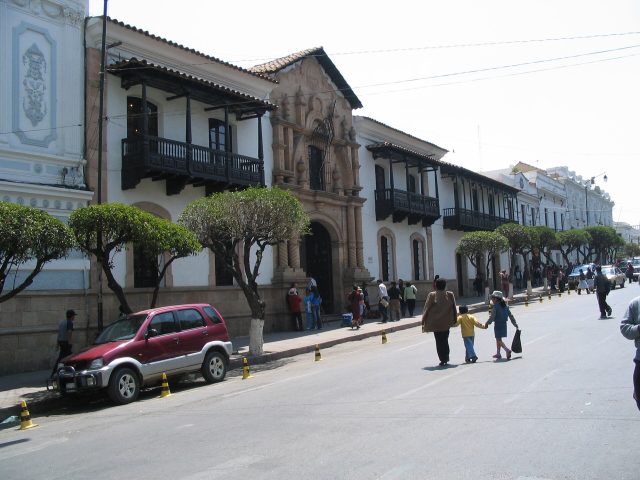
The Anthropology Museum in Sucre is one of those rare places where Bolivia’s past doesn’t just sit behind glass—it breathes. The city itself is steeped in colonial history, its streets lined with whitewashed buildings that whisper of Spanish rule. But this museum digs deeper, reaching back to the civilizations that thrived here long before the first conquistadors set foot on these lands. There’s no grand spectacle here, no flashy displays or digital reconstructions. Instead, the collection unfolds with quiet precision, letting the objects speak for themselves.
The building that houses the museum is part of the story. It’s an old colonial mansion, once home to one of Sucre’s influential families, with high ceilings, wooden beams, and a central courtyard where a fountain trickles softly. The architecture itself feels like a bridge between eras, its worn stone and creaking floors setting the stage for the artifacts within. There’s no modern clutter to distract—just the raw presence of history, preserved in the simplest way possible.
At the heart of the collection are the remnants of pre-Columbian cultures that shaped this region. The most striking pieces come from the Tiwanaku civilization, whose capital once stood near Lake Titicaca. Ceramics, tools, and jewelry reveal a society deeply connected to its environment, where craftsmanship wasn’t just functional but sacred. Some of the metalwork is astonishingly delicate, with intricate patterns that suggest a worldview where art and ritual were inseparable. The textiles, too, are remarkable—woven with such skill that they seem to carry the very essence of the people who made them.
One of the most fascinating sections is dedicated to the Moche culture, known for their vivid ceramic vessels. These aren’t just pots and bowls; they’re narratives. Scenes of daily life, mythological tales, and even humorous depictions of animals unfold across their surfaces. Many were found in burial sites, hinting at the Moche’s belief in an afterlife where such objects held meaning. It’s easy to lose track of time here, tracing the lines of a story that’s been silent for centuries.
The museum doesn’t stop at pre-Columbian history. There’s a section devoted to the colonial period, where indigenous traditions collided with European influences. The exhibits here are a mix of the familiar and the foreign—furniture, religious artifacts, and household items that reflect the uneasy fusion of two worlds. A silver chalice might bear the marks of Andean craftsmanship, while a wooden chest shows the unmistakable imprint of Spanish design. It’s a reminder that Bolivia’s history isn’t just a series of conquests but a complex, often messy, dialogue between cultures.
What makes this museum special isn’t its size or its technological gimmicks. It’s the way it invites you to slow down. There’s no rush here, no need to skim past the details. The artifacts aren’t just displayed; they’re given space to exist as they once did, as part of a living, breathing culture. Even if you’re not an expert, it’s impossible not to feel the weight of what you’re seeing—the hands that shaped these objects, the lives they touched, the stories they could tell if they could speak.
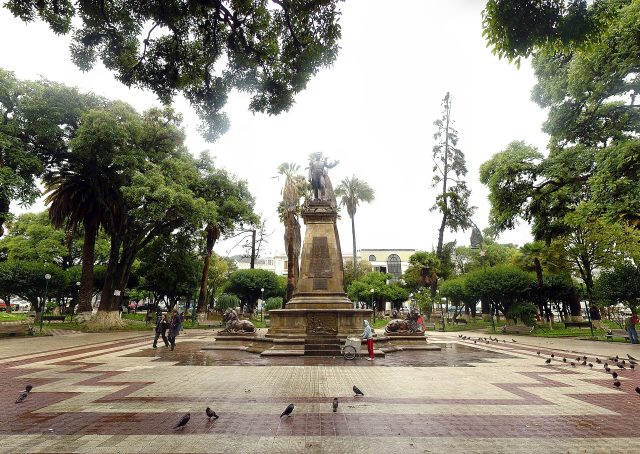
Sucre is a city where history is visible at every turn, from its grand plazas to its narrow alleys. But the Anthropology Museum adds something essential to that picture. It peels back the layers of colonial architecture to reveal the deeper, older roots of this land. Bolivia is often associated with its dramatic landscapes—the salt flats, the towering peaks—but this museum reminds you that its true richness lies in the people who have called it home for millennia. For those willing to look beyond the postcard views, it offers a glimpse into what makes this country truly unique.