Orahovac sits quietly in the southwestern corner of Kosovo. Few tourist maps mark it. The town has no grand spectacle, no crowds, just a steady rhythm of life that moves at its own pace. History lingers here—not behind glass, but in the air, in the streets, in the way people live.
The town lies in a valley framed by low, rolling hills. Vineyards stretch across gentle slopes. Olive groves dot the landscape. The scent of wild herbs mixes with the warmth of freshly baked bread from bakeries. Life here doesn’t rush. It doesn’t try to impress. It simply exists, and that quiet confidence makes it worth staying awhile.
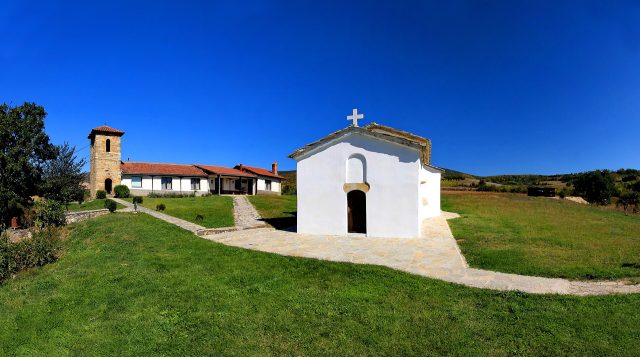
Centuries of Ottoman rule shaped Orahovac. The old quarter’s narrow lanes are lined with houses featuring wooden balconies and carved shutters. The oldest mosque, built in the 16th century, still stands, its stone softened by time. But Orahovac was never home to just one faith or people. Orthodox Serbs, Albanians, and others lived side by side, leaving traces in the culture. The Church of Saint Nicholas overlooks the town from a small hill. Built in the 19th century, its white stone walls and domed silhouette blend with the landscape. Inside, faded frescoes and icons tell stories of devotion. The church remains active, its bells ringing on feast days. The old cemetery beside it holds headstones of lives lived long ago.
The land around Orahovac is generous to those who tend the vineyards. Winemaking is a tradition passed down through families. In late summer and autumn, the slopes turn deep green with vines heavy with fruit. The air carries the scent of ripening grapes. Locals speak of old methods, the patience required, the way each season brings its own challenges. The wines produced here are for sharing. A glass in a dimly lit café often comes with a story.
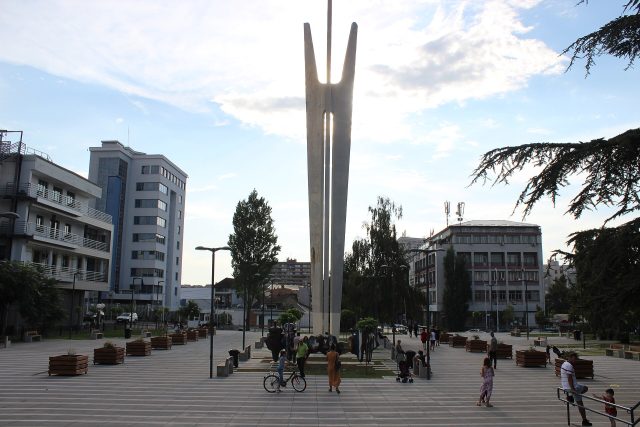
Life in Orahovac moves slowly. Mornings begin with elderly men gathering in the square, sipping strong coffee as they discuss the day’s news or the weather. By midday, the market stalls fill with produce from nearby gardens—tomatoes still warm from the sun, peppers bursting with color, honey thick as amber. Evenings belong to quiet streets. Children laugh in courtyards. Dishes clatter from open kitchen windows. There are no shopping malls or neon signs. Small cafés serve coffee thick enough to coat the spoon. Tiny shops display jars of local honey, wheels of cheese, and bottles of olive oil pressed from trees that have stood for decades. Conversations stretch long past the last sip of coffee.
Festivals here are about connection. On Saint George’s Day in May, the town fills with music and dancing. Neighbors share savory pies. Eid is celebrated with the same warmth, families gathering in homes and mosques. These moments remind everyone that, despite differences, community matters more.
Beyond the town, the landscape offers its own rewards. The White Drin River winds through the valley. Its banks are perfect for a picnic or an afternoon of doing nothing. The surrounding hills hold trails leading to forgotten villages and ancient monasteries. One such place is Velika Hoča, a village known for its wineries and medieval churches. The road twists through hills that shift from gold to green with the seasons. Each turn reveals another view.
Orahovac isn’t for those seeking grand adventures. It doesn’t demand attention. It invites you to slow down. Notice how the light falls on the hills at dusk. How the scent of baking bread changes with the seasons. Spend an afternoon wandering the old quarter. Stop in a café where the owner remembers your name by the second visit. Sit by the river with no agenda. The town doesn’t offer answers. It offers space—to breathe, to listen, to let the quiet seep in. When you leave, it stays with you. Not as a memory of something seen, but as a feeling of having touched a place where time moves at its own pace.