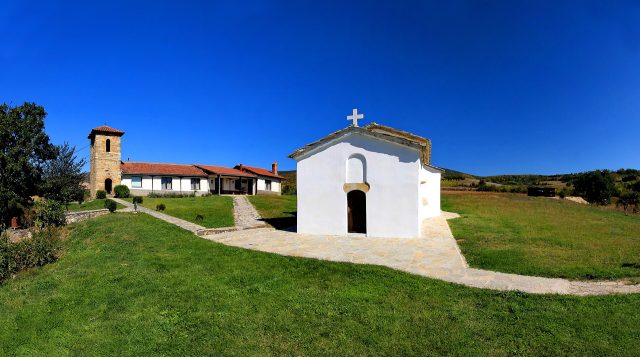
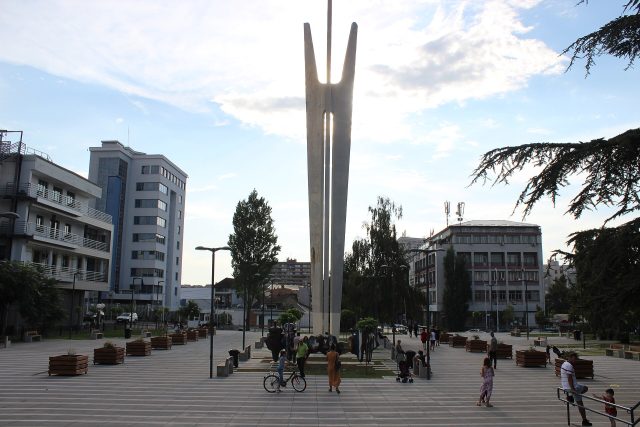
The Sinan Pasha Mosque in Orahovac is one of those quiet places that doesn’t demand attention but lingers in your memory long after you’ve left. Tucked among low-slung houses with terracotta roofs, it blends into the town’s modest streetscape. At first glance, it might seem like just another old building, but if you pause and look closer, you begin to sense its deeper presence—a structure that has witnessed centuries unfold.
Built in the early 1600s, the mosque takes its name from Sinan Pasha, an Ottoman military commander. In those days, Orahovac was a small settlement at the crossroads of trade routes, and the mosque served as more than just a place of worship. It was a gathering point where merchants haggled over deals, disputes were settled, and news from distant lands was shared. Over time, the building has endured wars, shifting borders, and earthquakes, yet it remains remarkably unchanged, a silent witness to the passage of time.
The architecture is classic Ottoman—square in shape, topped with a dome and a slender minaret. Inside, the space feels open and airy, with simple geometric patterns adorning the walls and worn stone slabs underfoot. There’s no grandiosity here, no attempt to overwhelm with opulence. Instead, the mosque exudes a quiet calm, as if time moves at a gentler pace within its walls.
Orahovac isn’t a tourist hub, and the Sinan Pasha Mosque isn’t the kind of place that draws crowds. There are no dramatic photo ops or sweeping historical narratives to recount. The town moves at its own rhythm: shops open in the mornings, children’s voices fill the streets, and in the evenings, elderly men sit on benches, watching the day wind down. The mosque fits into this rhythm seamlessly, as much a part of the landscape as the surrounding houses.
The courtyard is shaded by trees in the summer and hushed in the winter. People come here not just to pray but sometimes just to sit, to escape the heat or the noise of daily life. It’s a place for locals, which is why it feels so authentic. There’s nothing performative about it—just the quiet certainty that the building will stand for generations to come.
The mosque’s history mirrors that of Kosovo itself. It has seen empires rise and fall, religions shift, wars rage, and peace return. Many similar structures were lost in the upheavals of the 20th century, but this one survived. Today, it remains an active place of worship and a monument to the Ottoman era, yet it doesn’t feel out of place. Instead, it feels like a natural part of the town’s identity, woven into the fabric of everyday life.
Visiting the Sinan Pasha Mosque isn’t about ticking a box on a sightseeing list. It’s an opportunity to understand how this town lives. Orahovac doesn’t try to impress—it simply exists, and the mosque is a reflection of that. It’s one of those rare corners where you can feel the weight of history without the distraction of crowds or spectacle.
If you find yourself in this part of Kosovo, take your time. Sit on a bench outside the mosque, listen to the sounds of the town, and watch the light shift across the stone walls. You won’t find anything extraordinary here, and that’s precisely the point. The mosque isn’t a museum piece or a tourist attraction—it’s a living part of the town, as natural as the trees in its courtyard or the old houses lining the nearby streets. In its unassuming way, it tells a story far richer than any guidebook could capture.