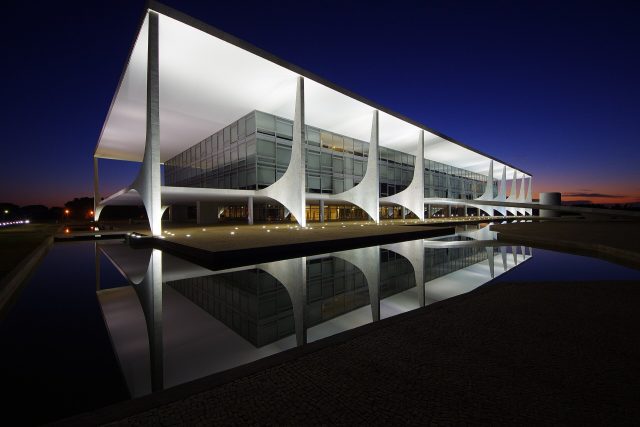
Brasília is a city that exists as both a bold experiment and a living monument to modernist ideals, and the Juscelino Kubitschek Bridge is one of its most striking symbols. Completed in the early 2000s, the bridge was never meant to be just another piece of infrastructure. It was designed to embody the same spirit of innovation that shaped the capital itself, connecting two sides of Lake Paranoá while offering something far more enduring—a sense of place, a visual landmark, and a quiet reminder of the dreams that built this city.
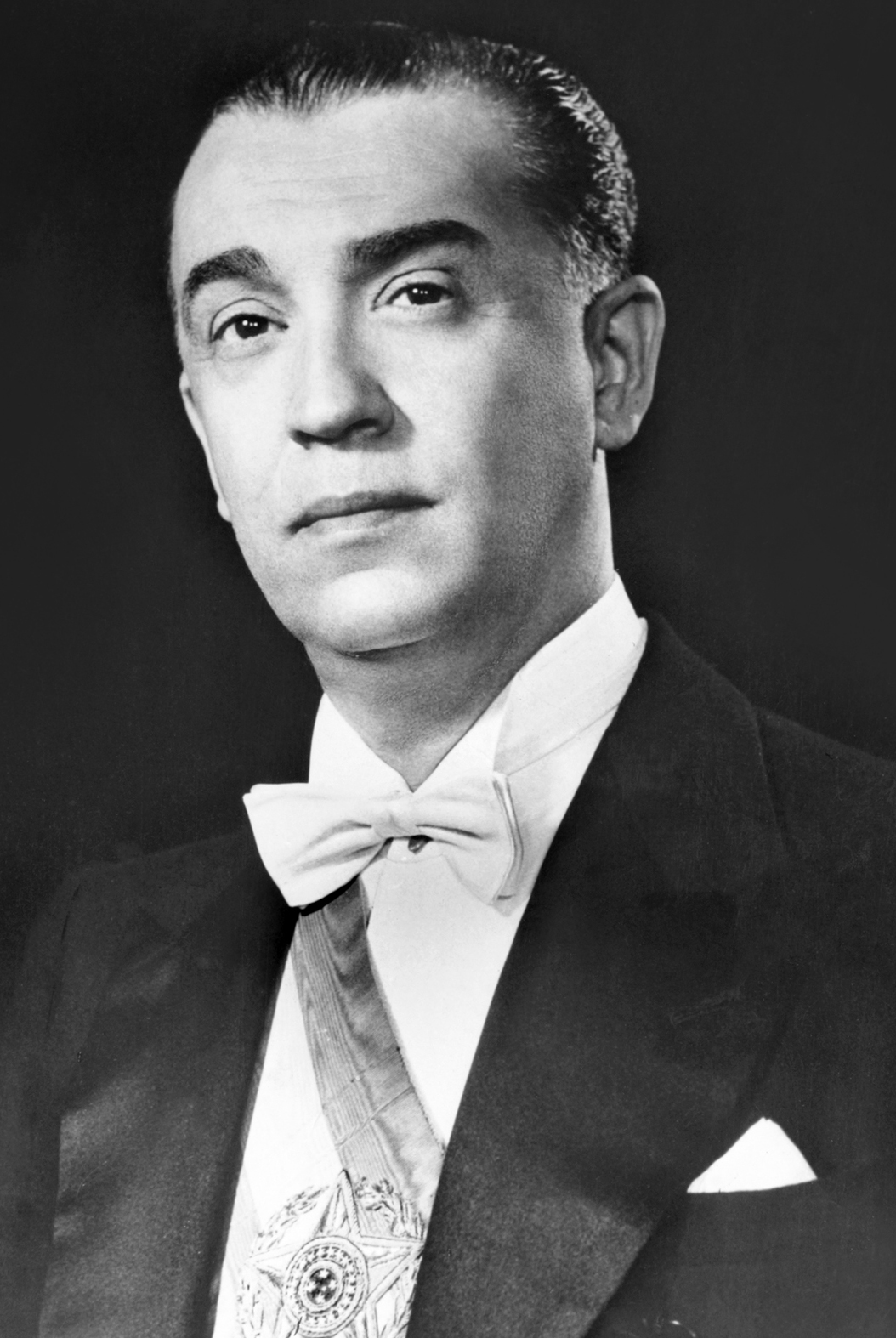
The bridge takes its name from Juscelino Kubitschek, the president whose vision moved Brazil’s capital from the coast to the heart of the country in the 1950s. That decision was radical at the time, a gamble on progress that required not just political will but an entirely new way of thinking about urban space. The bridge, in its own way, continues that legacy. It doesn’t just carry traffic; it carries the weight of an idea—that a city can be both functional and poetic, that engineering can be art. At night, when the lights trace the curves of its arches, it feels almost weightless, as if the structure itself is defying gravity over the dark water below.
The design was the work of architect Alexandre Chan, who drew inspiration from Brasília’s most famous son, Oscar Niemeyer. The three sweeping arches that support the bridge are its defining feature, their fluid lines evoking sails caught in the wind or waves frozen in motion. They serve a practical purpose, of course—distributing weight, allowing ships to pass beneath—but their real power lies in how they make something so massive feel effortless. The bridge doesn’t dominate the landscape; it becomes part of it, framing views of the lake and the city beyond without blocking them. That balance between strength and grace is rare in modern architecture, and it’s what makes the bridge feel timeless rather than merely contemporary.
From an engineering standpoint, the Juscelino Kubitschek Bridge is an impressive feat. Stretching nearly a mile and a half, with central arches rising nearly two hundred feet, it was built to handle heavy traffic, linking residential areas to the city’s administrative core. Yet despite its scale, it never feels imposing. The pedestrian walkways on either side invite people to linger, offering some of the best views in Brasília—of the water, the sky, and the city’s distinctive skyline. On weekends, the bridge takes on a different character. Joggers weave between families pushing strollers, cyclists glide past photographers adjusting their lenses, and the occasional street musician adds a soundtrack to the scene. It’s a place where the rhythm of the city slows just enough to let you notice the details.
The bridge’s story is inseparable from Brasília’s own. The capital was conceived as a blank slate, a city built from scratch to symbolize Brazil’s future. But futures are never static, and Brasília has had to evolve while staying true to its original vision. The Juscelino Kubitschek Bridge arrived at a moment when the city was redefining itself once again, during a period of economic growth and renewed investment in public spaces. It wasn’t just a practical solution to traffic; it was a statement that Brasília could still surprise, still inspire. Today, it stands as a bridge in more ways than one—not just across the lake, but between the city’s past and its present.
For all its architectural significance, the bridge has also become a part of daily life in ways its designers might not have anticipated. It’s where people gather for impromptu celebrations, where protests have marched, where the city comes together for shared moments. During the 2016 Olympics in Rio, the bridge became an outdoor arena, its giant screens broadcasting events to crowds of cheering spectators. For locals, it’s not just a landmark but a backdrop to memories—first dates, morning runs, quiet evenings watching the sunset. That’s the paradox of Brasília: a city designed with grand gestures can still feel intimate when you find the right vantage point.
The bridge has also found its way into the broader imagination of Brazil. Its image appears on postcards and in travel guides, a shorthand for the city’s unique identity. Tourists often make it a stop on their itineraries, not just to see the architecture but to experience the atmosphere—the way the light changes over the water, the way the wind carries the sounds of the city. Yet it never feels like a museum piece. Unlike some of Brasília’s more formal monuments, the bridge is alive, adapting to the needs of the people who use it. It’s both a symbol and a utility, a work of art and a thoroughfare, and that duality is what makes it resonate.
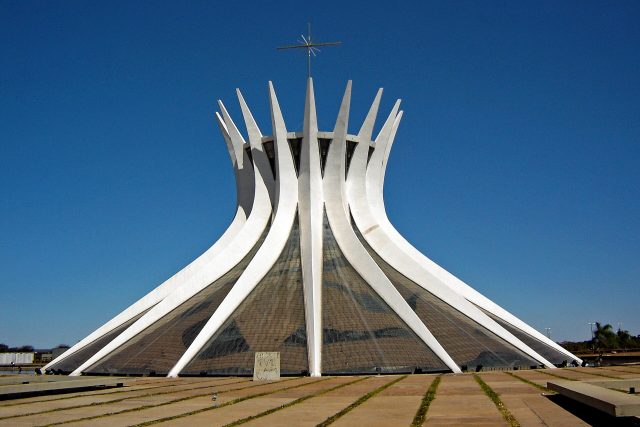
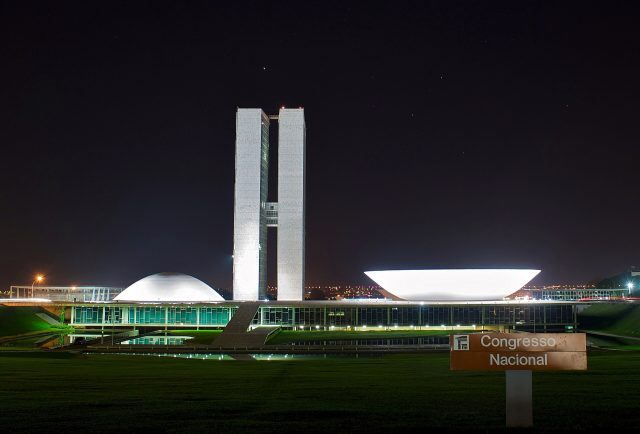
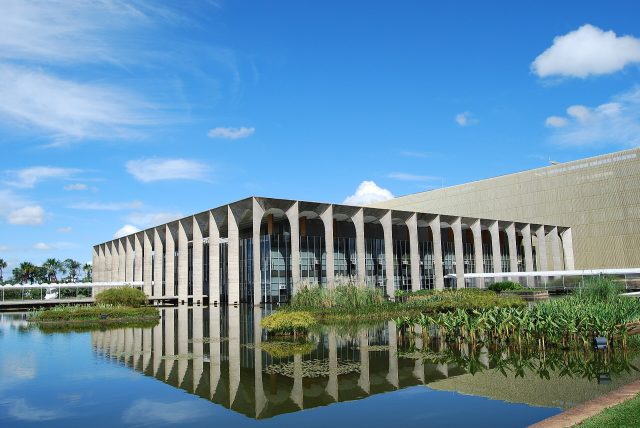
What’s striking about the Juscelino Kubitschek Bridge is how seamlessly it fits into Brasília’s landscape. The city was designed with a master plan, its buildings and public spaces arranged with almost mathematical precision. Yet the bridge doesn’t feel like an afterthought; it feels inevitable, as if it was always meant to be there. It complements the curves of Niemeyer’s government buildings, the open plazas, the way the city unfolds in unexpected ways around every corner. In a place where so much was planned, the bridge manages to feel spontaneous, a moment of beauty that wasn’t forced but simply allowed to exist.
Perhaps that’s why it continues to draw people in, year after year. It’s not just the architecture, though that’s undeniably impressive. It’s the way the bridge captures something essential about Brasília—the audacity of its creation, the quiet confidence of its design, the way it balances ambition with humanity. Whether you’re crossing it by car, walking along its edge at dusk, or simply watching it from the shore, the bridge offers a perspective on the city that’s hard to find anywhere else. It’s a reminder that even in a place built on grand visions, the most meaningful connections are often the simplest: between one side and another, between the past and what comes next.