Palácio do Planalto is more than just the official workplace of Brazil’s president—it’s a monument to a defining era in the country’s history. Built in 1960 as part of Brasília’s bold reinvention as a capital, the palace embodies the optimism of its time. Designed by Oscar Niemeyer, the architect whose vision shaped the city, the building reflects his signature style: clean lines, sweeping curves, and an effortless harmony with its surroundings. Perched on a gentle rise, framed by water and greenery, the palace manages to feel both grand and weightless, as if defying gravity.
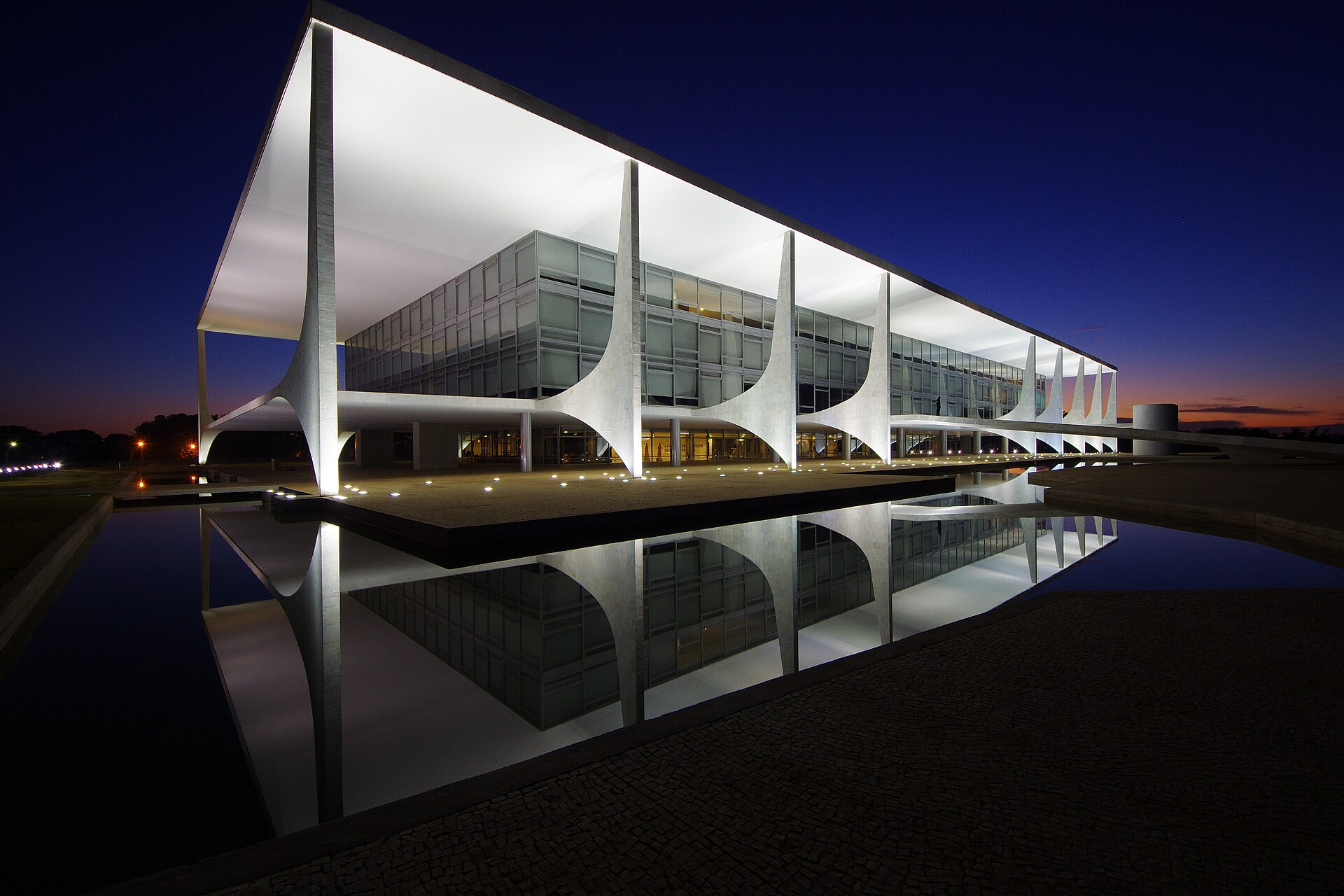
The structure’s most striking feature is its apparent lightness. Thin columns lift the building above the ground, creating the illusion that it floats just above the earth. The facade, a blend of glass and white marble, gives it a sense of quiet elegance rather than imposing authority. Inside, the mid-century modern aesthetic remains intact—spacious halls with soaring ceilings, minimalist furniture, and artworks that capture the spirit of the era. While the palace hosts official functions, state receptions, and diplomatic meetings, it also feels like a space where politics and art coexist, where decisions are made amid a backdrop of careful design.
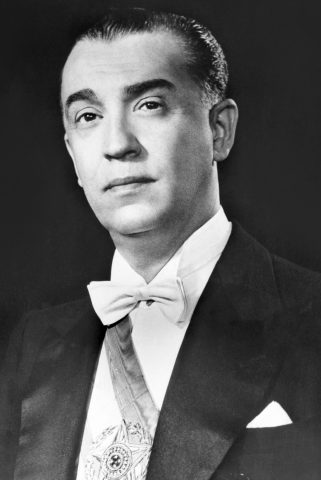
Planalto is inseparable from Brasília’s origin story. When President Juscelino Kubitschek announced in 1956 that the capital would move from Rio de Janeiro to the country’s interior, it was a gamble—a bid to spur development in Brazil’s heartland. The city was built from scratch, and every structure was meant to carry symbolic weight. Planalto wasn’t designed to intimidate with opulence or tradition. Instead, Niemeyer stripped away the usual trappings of power—no towering columns, no gilded excess—replacing them with pure geometry. The result was a building meant to represent transparency and modernity, a break from the past.
The grounds around the palace are open to the public, a park of fountains and sculptures where locals and visitors often wander. Many of the artworks were created by Brazilian artists, including Niemeyer himself, who didn’t just design buildings but also shaped the city’s artistic identity. One of the most recognizable pieces is Bruno Giorgi’s *Meteor*, a sleek, abstract sculpture near the main entrance. It’s a nod to the space-age optimism of the 1960s, when Brasília was rising amid a global fascination with progress and the future.
Visitors can tour parts of the palace, but only by appointment. Inside, the original interiors have been preserved: the president’s office, the meeting halls, a small library, and even a chapel. The most striking space is the council room, where murals depict pivotal moments in Brazilian history. The walls also display gifts from foreign dignitaries—paintings, rare books, intricate crafts—each a reminder of Brazil’s place on the world stage. Yet for all its grandeur, the palace doesn’t feel like a museum. It’s a working government building, and some areas remain off-limits.
Even from the outside, Planalto leaves an impression. A moat surrounds the building, creating a sense of separation from the city’s hustle. At night, the lighting accentuates its architectural details, making the palace glow against the dark sky. The effect is striking, almost cinematic, as if the building itself is a character in Brasília’s ongoing story.
For many Brazilians, Planalto is more than architecture—it’s a symbol of national identity. Within its walls, decisions have been made that shaped the country’s trajectory, from economic policies to moments of political upheaval. The palace has witnessed transitions of power, crises, and periods of renewal, yet it remains the steady center of Brazil’s political life. It’s a place where history is both preserved and made.
Brasília is often seen as an artificial city, a capital carved out of the wilderness by sheer will. But places like Planalto remind us that behind that vision were real people—Kubitschek, Niemeyer, and countless others—who believed in the possibility of reinvention. The palace isn’t just a masterpiece of modernist design; it’s a living piece of history, one that continues to evolve. It stands as proof that even the most ambitious ideas can take root, as long as there’s the courage to pursue them.