Osogbo is one of those places that rarely comes to mind when people think of Nigeria’s cultural landmarks. Tucked away from the country’s bustling cities and well-trodden tourist paths, it holds a quiet significance—one that reveals itself in the Niger Art Centre. This isn’t a place where art is merely displayed; it’s where it breathes, woven into the fabric of daily life, the gestures of local artisans, and the very air that carries the weight of history and creativity.
The centre owes its existence to Susanne Wenger, an Austrian artist who arrived in Nigeria in the early 1950s and found herself captivated by Yoruba culture. What began as a personal fascination soon grew into a lifelong commitment. Alongside local artists, Wenger didn’t just create a space for art—she helped build a living tradition. The centre became a place where knowledge is passed down through hands-on practice, where creativity isn’t confined by rules or academic expectations, but flourishes in the freedom of expression and deep respect for heritage.
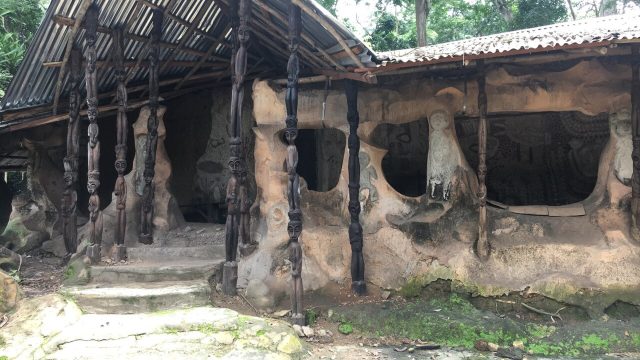
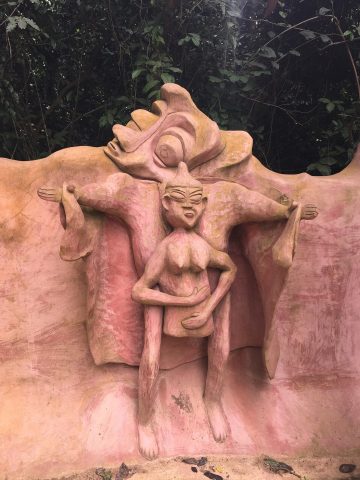
The architecture here tells its own story. Built from local materials—clay, wood, and stone—the buildings blend seamlessly into the landscape. Their earthy tones and organic shapes feel like a natural extension of the surroundings. Inside, the walls are adorned with murals depicting Yoruba myths and legends, while wooden sculptures, intricately woven textiles, and ceremonial masks fill the spaces. These aren’t just artifacts; they’re part of a living culture, where gods and heroes still hold meaning in the everyday lives of the people.
Beyond exhibitions, the centre functions as a working studio where artists create, teach, and learn. Visitors can watch the process unfold—from the first strokes of a carving to the final touches of a painting. The artisans here don’t just practice their craft; they see it as a way to preserve their connection to the past and pass it on to future generations. Many are happy to share their skills, whether it’s the art of woodcarving, weaving, or mural painting. For those who want to try their hand at it, the centre offers a rare chance to learn directly from masters, turning observation into participation.
The centre holds a special place in the life of Osogbo. It’s where festivals celebrating Yoruba traditions take place, where music and dance fill the air, and where people of all ages gather to celebrate their shared culture. It’s a space where art becomes a reason for community, where conversations flow as naturally as the creative process itself. Even those who don’t consider themselves artists often find something here—whether it’s a deeper understanding of Yoruba myths or simply the quiet joy of being in a place where creativity feels alive.
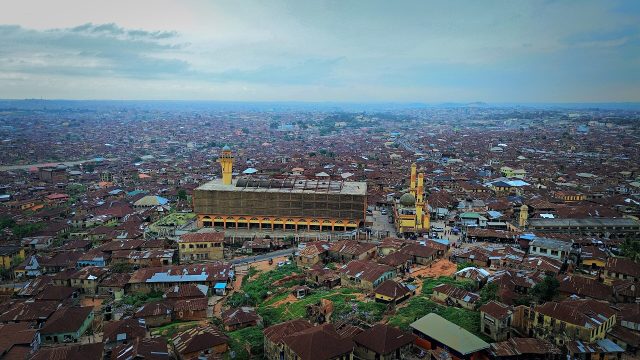
Osogbo isn’t a city that caters to tourists. There are no crowded streets, no souvenir stalls pushing trinkets, no scripted tours. Instead, there’s a sense of timelessness, a rhythm that moves at its own pace. The city itself is small, its streets lined with old buildings and bustling markets where spices and fabrics change hands. The Niger Art Centre sits at its heart, a place where the soul of Osogbo reveals itself—not through grand gestures, but through the quiet persistence of tradition.
For anyone interested in African culture, the centre is a revelation. It’s where Yoruba traditions meet contemporary creativity, where ancient myths find new life in the hands of modern artists. This isn’t a place where art is frozen in time; it evolves, absorbing influences while staying rooted in its origins. A visit here isn’t just about seeing—it’s about experiencing. It’s about stepping into a world where art isn’t separate from life, but a fundamental part of it.
The centre doesn’t operate like a conventional museum. There are no rigid rules, no signs telling visitors what they can or can’t do. People are free to wander, to step into workshops, to talk with the artists at work. This openness creates an atmosphere of trust, where art isn’t just something to observe but something to engage with. Of course, this freedom comes with responsibility—visitors are expected to respect the space and its traditions. But that’s part of what makes the experience so meaningful.
Osogbo and its art centre leave a lasting impression, not because they’re loud or flashy, but because they offer something deeper. This isn’t a place for casual sightseers; it’s for those who seek more than just pretty views or fleeting entertainment. It’s for people who want to understand how Yoruba culture lives and breathes, how art shapes identity, and how tradition can remain vibrant in a changing world. Perhaps that’s why the centre remains relatively unknown—it doesn’t cater to everyone. It’s for those willing to look beyond the surface and find something real.