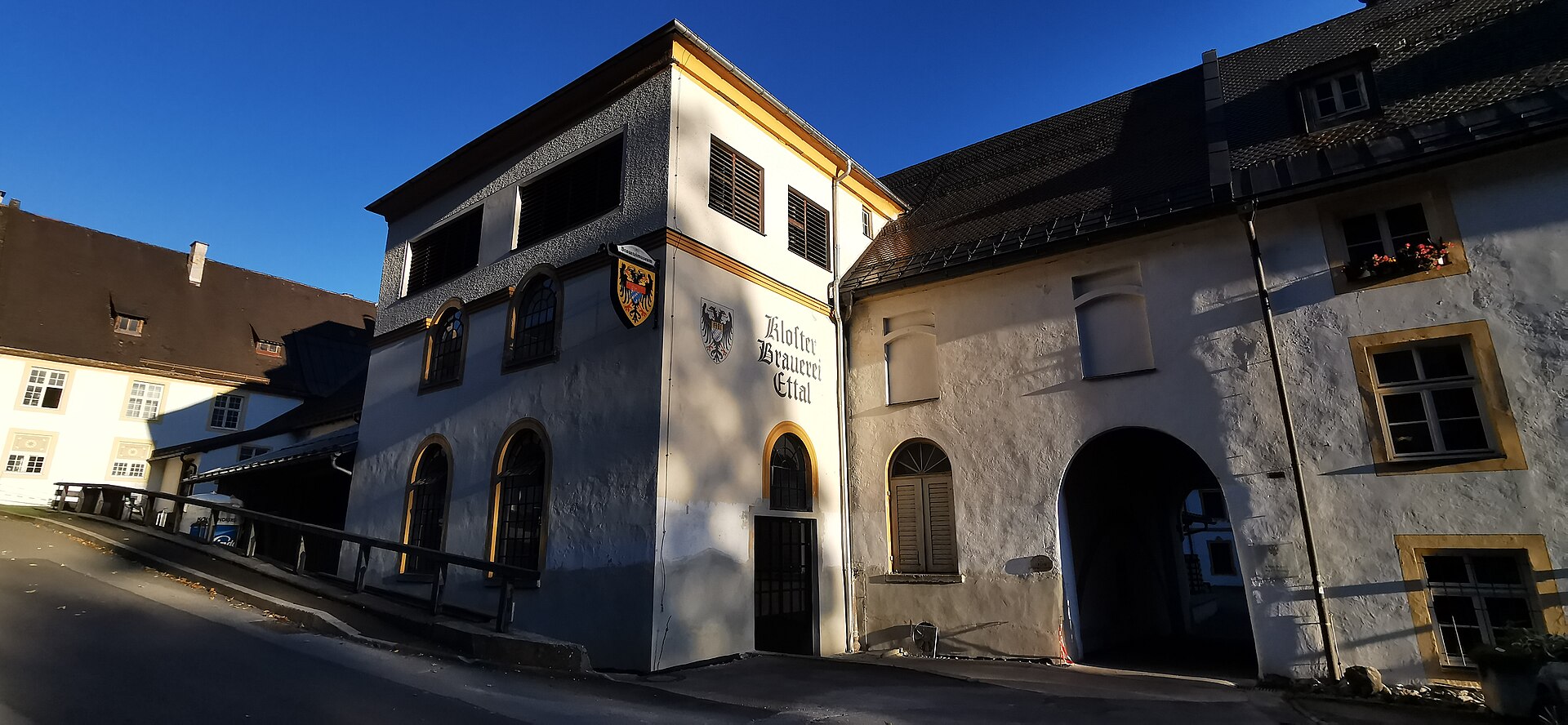
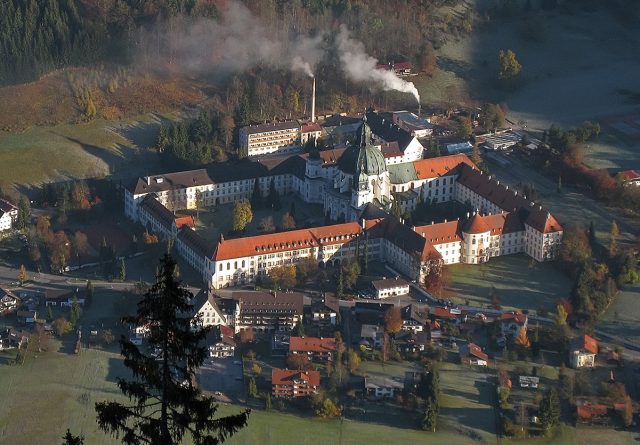
Nestled in the Bavarian Alps, Ettal Abbey is a place where time seems to move at its own pace. Beyond its striking architecture and centuries-old history, the monastery is home to one of Germany’s oldest breweries, a tradition that has been kept alive by Benedictine monks for over four hundred years. Brewing here was never just a craft—it was a way of life, woven into the daily rhythm of prayer, work, and hospitality. Even today, the brewery remains a quiet testament to a way of doing things that values patience, skill, and a deep respect for the past.
The abbey itself was founded in the fourteenth century by Duke Ludwig of Bavaria, who, as the story goes, dreamed of a place marked by three hills and a spring. Whether legend or truth, the site became a spiritual hub, drawing pilgrims from across Europe. In those days, beer was more than just a drink—it was a staple, safer than water and nourishing enough to be called "liquid bread." The monks brewed it not only for themselves but for the travelers who passed through, following strict monastic rules that treated brewing as both a practical necessity and a sacred duty.
The architecture of Ettal reflects the transition from Gothic to Baroque, with its grand church crowned by a dome and adorned with intricate frescoes. The brewery, housed in the abbey’s historic buildings, carries the same sense of permanence. Some of the equipment looks as though it hasn’t changed since the nineteenth century, yet the beer remains as reliable as ever. Oak barrels are still used for fermentation, and the methods, though refined over time, stay true to tradition. There’s no rush here—just the steady, unhurried work of hands that have done this for generations.
Ettal’s beers are classic Bavarian lagers, rich and full-bodied, with a balance of malt and hops that lingers on the palate. The Dunkel, a dark beer with caramel notes, is the most famous, but the brewery also produces a crisp Helles, a robust Bock, and seasonal varieties like a festive Christmas brew. All are made from old recipes, adjusted only to meet modern standards of quality, never with artificial additives. The monks have always believed that beer should be more than just enjoyable—it should be wholesome, in moderation, of course.
Visitors can’t tour the brewing facilities themselves, but the abbey offers guided walks that include a stop at the small shop where bottles and kegs of fresh beer are sold. Nearby, the monastery’s restaurant serves hearty Bavarian dishes—roasted pork knuckle, dumplings, sauerkraut—all paired with the brewery’s own beer. The atmosphere is quiet, almost meditative, with the scent of freshly baked bread drifting through the air. There’s no loud music or crowds, just the kind of calm that makes it easy to imagine what life here must have been like centuries ago.
Beyond the abbey walls, the landscape unfolds in rolling alpine meadows and dense forests, crisscrossed by walking trails. Many visitors spend the day here, combining a tour of the monastery with a hike along the river or a picnic in the shade of the mountains. In summer, the air stays cool even on warm days, while winter transforms the scene into something out of a fairy tale, with snow-capped peaks framing the abbey’s towers. It’s a place where history and nature feel equally present, where the past isn’t just preserved but still very much alive.
Ettal isn’t the kind of monastery that dazzles with opulence or scale. Instead, it offers something quieter—a sense of continuity, of traditions that have endured without losing their essence. The brewery, in particular, feels like a bridge between eras, a reminder that some things don’t need to change to remain meaningful. Even if beer isn’t your drink of choice, the abbey is worth a visit for the way it makes the past feel tangible, almost within reach.
For those who do appreciate a good lager, Ettal is a revelation. This isn’t mass-produced beer; it’s the kind that’s still made with care, in small batches, the way monks have done for hundreds of years. The flavors are deep and honest, the kind that make you slow down and savor each sip. It’s a small pleasure, but one that feels all the more special for being rooted in something real.
If you find yourself in Upper Bavaria, Ettal is an easy detour, a place where the modern world feels a little farther away. It’s not a destination for those in a hurry, but for anyone who wants to step into a slower, more deliberate way of life. The abbey and its brewery don’t demand attention—they simply offer a moment of stillness, a chance to taste history in more ways than one.