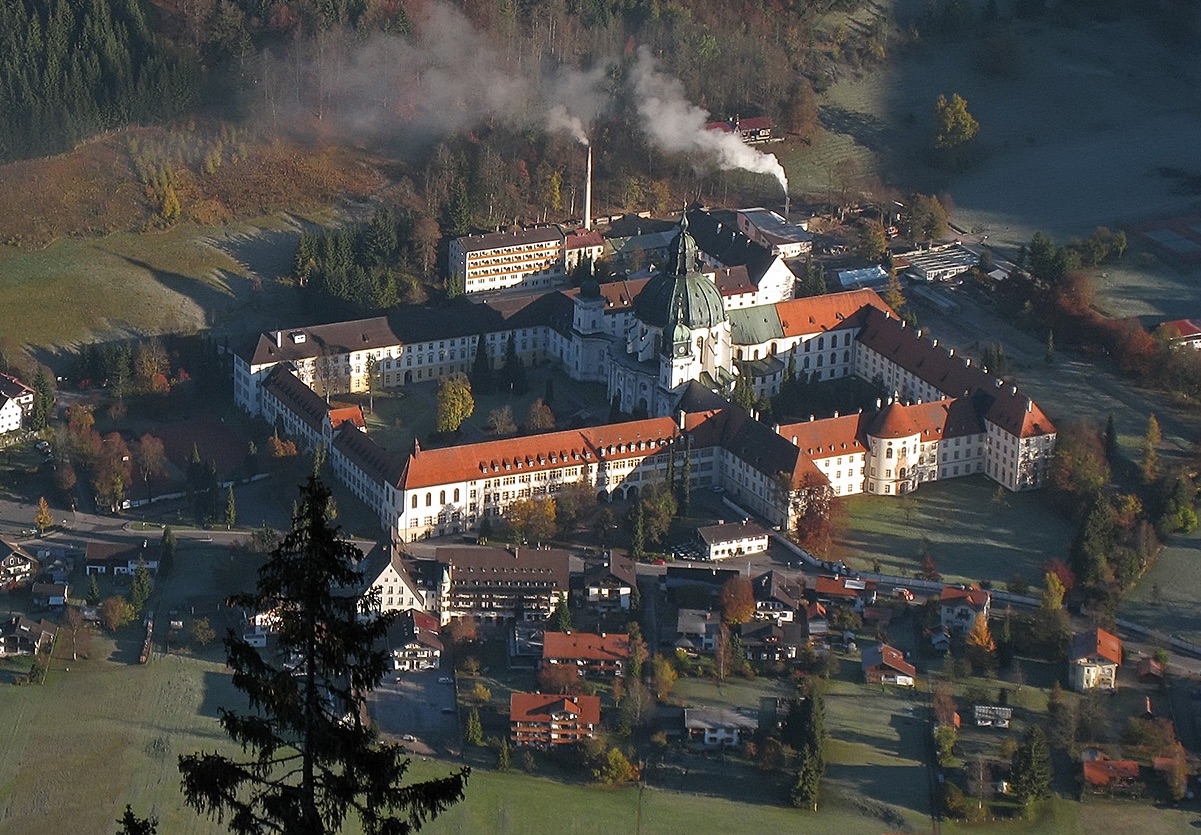
Ettal Abbey rests on the slopes of the Bavarian Alps, a quiet sentinel overlooking the valley below. Founded in the fourteenth century, it is more than a religious site—it is a place where history, architecture, and the shifting tides of medieval Europe converge. The abbey owes its existence to Emperor Ludwig the Bavarian, who, according to legend, vowed to build it after a miraculous escape during a hunt. In those days, monasteries were not just spiritual refuges but also centers of learning and power, where manuscripts were copied, noble children educated, and decisions that shaped kingdoms were made.
The architecture of Ettal is a blend of Gothic origins and the exuberant Baroque style that defines it today. The original structures did not survive the centuries, but in the seventeenth century, the abbey underwent a grand transformation. What emerged was a lavish complex, its church at the heart of it all. Inside, the soaring vaults and intricate decorations draw the eye upward, where frescoes depict scenes from the lives of saints, their colors still vivid despite the passage of time. The dome, in particular, seems to float above the nave, a masterpiece of illusion and devotion.
Beyond its religious role, Ettal has long been a place of learning. A school once operated within its walls, first for the children of nobility and later for local families. The nineteenth century brought secularization, and for a time, the abbey’s influence waned. But in the twentieth century, it was restored, and today, it remains an active Benedictine monastery. Monks still live and work here, their daily rhythms shaped by prayer and tradition, while parts of the abbey are open to visitors.
The landscape around Ettal is as much a part of its character as the stone and mortar of the buildings. The valley stretches out below, framed by mountains that shift with the seasons. In summer, pilgrims, hikers, and travelers wander the paths, drawn by the quiet beauty of the place. Winter transforms it into something even more serene, the abbey’s rooftops dusted with snow, the peaks above blanketed in white. The air is crisp, the silence broken only by the distant sound of church bells.
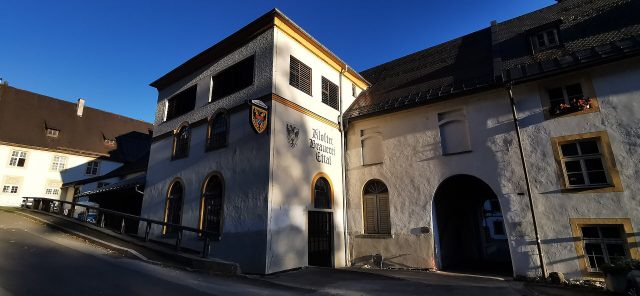
This is not a museum frozen in time. Ettal is a living place, where the past and present coexist. Services are still held in the church, the organ’s music filling the space as it has for centuries. The monks tend to their duties, brew beer, and welcome guests. In the abbey’s shop, you can find products made according to old recipes—honey, liqueurs, bread—each one a small piece of the tradition that has endured here.
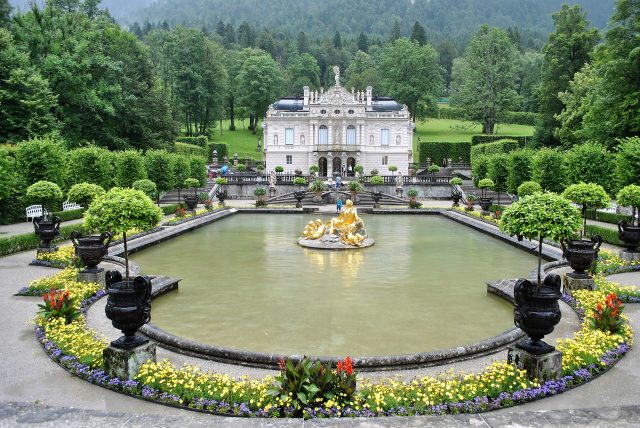
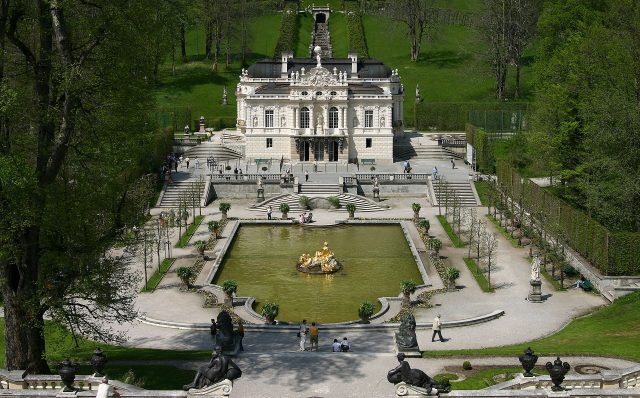
For many, Ettal is also a starting point for exploring the region. The fairy-tale castles of Ludwig II are within reach, as is the stunning Königssee lake. But even if you never venture beyond the abbey’s walls, there is enough here to fill an afternoon. You might sit in the quiet courtyard, listening to the chime of bells, or take a walk along the nearby trails, the scent of pine and earth mingling with the cool mountain air.
Ettal has weathered its share of hardships—fires, wars, the upheavals of secularization. Yet each time, it has risen again, its spirit unbroken. Today, it stands as both a monument to the past and a testament to resilience. There is a sense here that time moves differently, not in the rush of the modern world but in the measured cadence of prayer, the slow turning of centuries beneath the same vaulted ceilings. To visit is to step into that rhythm, if only for a little while.