Time moves differently here. Built in the 17th century, this place carries the weight of Potosí’s past—a city that once gleamed as one of the wealthiest in the world, its fortune carved from the silver mines of Cerro Rico. Potosí was the center of Spain’s colonial empire, and the monastery rose from the wealth extracted by Indigenous workers and enslaved Africans. Within these walls, life followed the strict rhythms of the Carmelite order: silence, work, and prayer.
The architecture reflects colonial grandeur and local adaptation. Thick stone walls enclose courtyards where fountains murmur. Wooden balconies overlook the cloisters, their railings worn by centuries. The church stands as the most striking feature, its gilded altarpiece and faded frescoes contrasting with the bare cells where the nuns once lived. Every creaking floorboard and chipped step tells a story.
Santa Teresa was more than a religious retreat. In colonial times, convents like this offered refuge to women from elite families. Some entered to escape arranged marriages, others to avoid societal constraints. Here, they lived independently, dedicating themselves to faith and learning. The monastery preserved books, manuscripts, and art. Visitors can still see aged documents, simple wooden furniture, and the quiet dignity of a life devoted to contemplation.
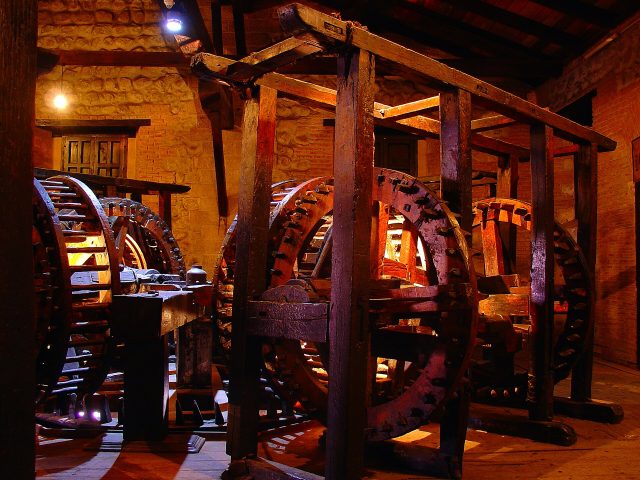
The monastery remains unchanged. There are no glass cases or roped-off exhibits—just narrow corridors, sunlit courtyards, and sparse cells that have stood for centuries. The air carries the scent of old wood and candle wax, a reminder of the rituals that once filled these spaces. The nuns guide visitors, pointing out architectural details and sharing fragments of history.
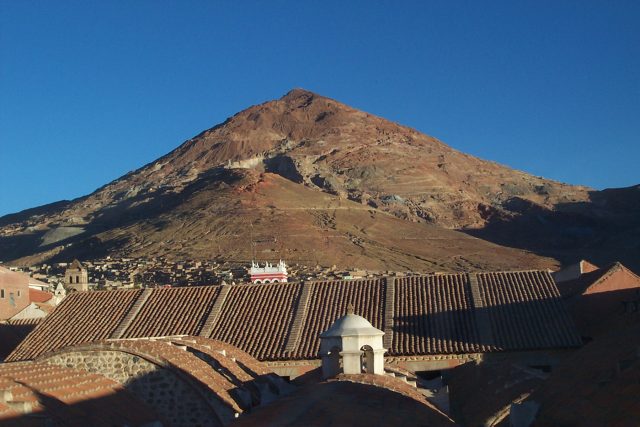
Potosí is a city of contrasts. Its colonial streets and ornate churches stand in the shadow of Cerro Rico, a mountain still mined today. The wealth that built this city came at a cost, and the echoes of that past linger in Santa Teresa’s quiet corners. The monastery feels like a sanctuary, where the noise of history fades into the sound of water trickling in the courtyard.
You can sit in the courtyard, listening to the fountain, and imagine the lives of the women who once lived here. Or stand on the balcony, looking out over the city and the mountain beyond, and wonder about the hands that shaped both.
Santa Teresa is a witness to an era when faith, wealth, and suffering were woven into daily life. Behind its facades are the stories of those who built it, lived within it, and still keep its memory alive. Potosí has changed, but the monastery endures.