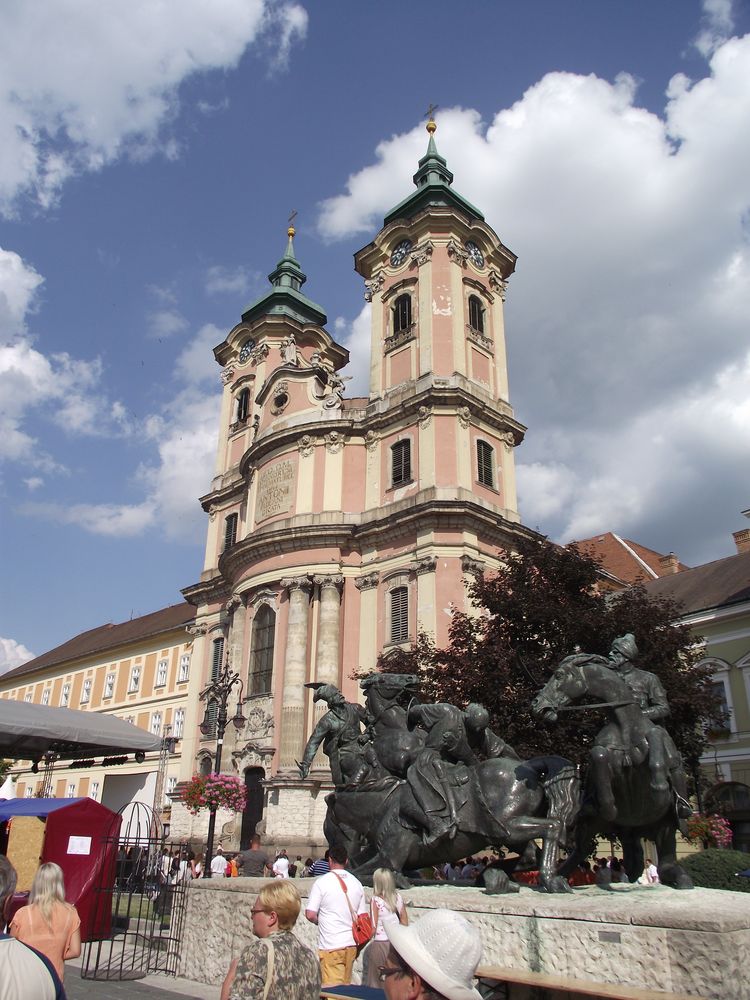
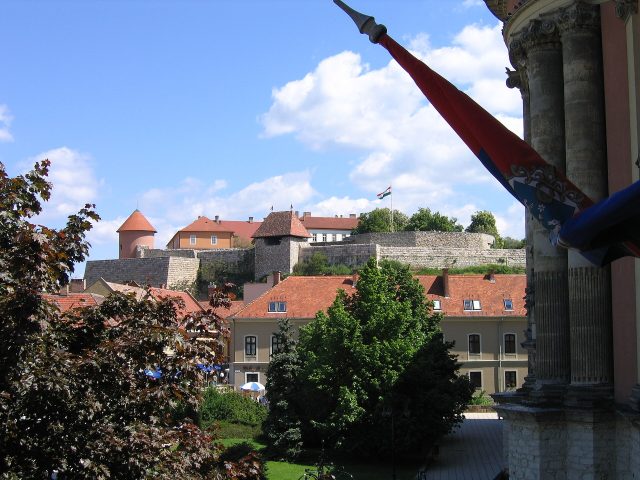
The Minorite Church in Eger is one of those rare places that feels suspended in time, as if the past lingers in every stone and shadow. Tucked away in the heart of the city on Dobó Square, it stands surrounded by low-slung houses with terracotta roofs and quiet cafés where the scent of fresh bread and coffee drifts through the air. At first glance, the church doesn’t demand attention—its façade is unassuming, almost austere—but step closer, and its quiet grandeur begins to unfold. This isn’t just a place of worship; it’s a living chronicle of Eger, shaped by centuries of history, conflict, and resilience.
Construction of the church began in the 18th century, long after Eger had endured its most harrowing trial: the Ottoman siege of 1552. Though the city held firm, much of it lay in ruins, and in the decades that followed, new buildings rose from the ashes. The Minorites, a Catholic order known for their humility and dedication to the poor, settled here in the early 1700s. They weren’t interested in opulence, yet the church they commissioned became one of Eger’s most significant architectural landmarks. Designed in the late Baroque style with subtle Rococo flourishes, it reflects an era when Europe had grown weary of stern grandeur and sought beauty in elegance and grace.
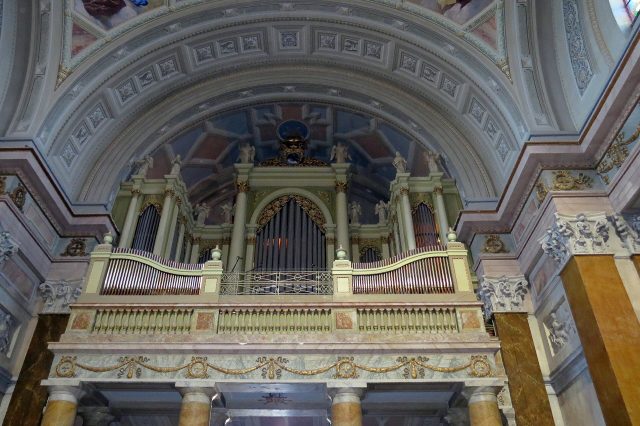
Inside, the church doesn’t overwhelm with extravagance but instead impresses with its harmony. High vaulted ceilings, adorned with frescoes, create a sense of airy spaciousness, while light streaming through tall windows gently illuminates gilded altars and polished wooden pews. The main altar is dedicated to the Virgin Mary, its composition a delicate interplay of saints and angels, as if narrating a story of faith passed down through generations. One of the church’s most remarkable features is its organ, among the oldest in Hungary. Its sound still fills the space during services and concerts, and even those indifferent to religion often pause when the first notes resonate through the nave.
The Minorite Church has always been more than a place of prayer—it’s woven into the fabric of Eger’s life. In the 19th century, as the city flourished, the church became a cultural hub, hosting concerts, lectures, and gatherings. During times of upheaval, like the revolutions of 1848, it offered sanctuary to those in need. In the 20th century, as Hungary weathered two world wars and decades of socialist rule, the church remained a steadfast presence. Its doors never closed, even in the hardest years, and people continued to seek solace within its walls, whether for prayer or a moment of quiet reflection.
Today, the church remains very much alive. On Sundays, worshippers of all ages—elderly parishioners, young families, children—gather for services. On weekdays, visitors wander in to admire the frescoes, photograph the altars, or simply sit on a pew, listening to the stillness. In summer, the square outside buzzes with small markets selling local crafts and wine, while in winter, a Christmas tree glows in the cold. The atmosphere shifts with the seasons, but the warmth and welcome never fade.
Eger is a city where history feels tangible at every turn, and the Minorite Church is one of the places where it’s most vivid. Unlike many historic buildings that now feel like museums, this church retains a sense of vitality. You can feel it in the worn wooden railings, the faint scent of candle wax, the murmur of prayers. It doesn’t try to impress or dazzle—it simply endures, much like Eger itself, with all its triumphs and sorrows, its hopes and quiet resilience.
For first-time visitors to Eger, the Minorite Church might not be the most obvious stop. The city has its share of famous landmarks—the fortress, the thermal baths, the grand Baroque palaces—and the church often gets overlooked. But those who take the time to step inside discover something far more meaningful. This is where the true spirit of Eger reveals itself, where time slows just enough to let you pause and reflect on what really matters. Perhaps that’s why people keep coming back, long after they’ve seen everything else.