Eger is the kind of town where time slows down just enough to let you wander its narrow streets, peek into hidden courtyards, and linger over a glass of local wine at a café terrace. But if you ever feel like stepping away from its history and architecture, there’s a place where the ordinary meets something quietly magical—the thermal baths. They may not have the fame of Budapest’s grand spas, but that’s precisely what makes them special. Here, there are no crowds, no performative luxury, just the simple, genuine comfort of water that has been healing people for centuries.
The story of Eger’s thermal baths begins long ago, during the Ottoman era when the town was part of the empire. Like many Hungarian cities under Ottoman rule, Eger saw the construction of baths built around natural mineral springs. The water here has always been distinctive—warm, rich in minerals, with a faint sulfuric scent that lingers in the air. After the Ottomans left, the baths didn’t disappear. Instead, they evolved into what they are today: a mix of indoor and outdoor pools where hours can slip away unnoticed.
The architecture of the baths reflects their layered history. The oldest part, a covered pool, carries the elegance of the Austro-Hungarian era with its high ceilings, large windows, and marble steps leading into the water. Around it, a more modern complex has grown, with open-air pools, jacuzzis, and saunas. There’s no unnecessary grandeur here—just practical design that still manages to feel inviting. In summer, the outdoor pools are framed by green lawns, while in winter, the steam rising from the water blends with the cold air, creating a scene that feels almost otherworldly.
The water in Eger’s baths is genuinely therapeutic. It’s packed with calcium, magnesium, bicarbonates, and other minerals known to ease joint pain, skin conditions, and even stress. Locals often visit not just for relaxation but on their doctors’ advice. The temperature varies across the pools, from warm to hot, so everyone can find their ideal comfort level. The indoor pools tend to be warmer, while the outdoor ones are cooler but still pleasant even in winter.
What sets Eger’s baths apart is their size. Unlike the sprawling complexes in Budapest, these are intimate, almost cozy. You won’t feel lost in a sea of people here. Even on weekends, there’s always a quiet corner where you can float undisturbed or soak in a jacuzzi without jostling for space. The indoor areas have small relaxation zones with loungers, where you can sip herbal tea or simply close your eyes. In summer, the outdoor pools become a social hub—children splash around, friends chat, and older visitors stroll leisurely through the water.
The baths offer more than just pools. There are saunas, steam rooms, and even salt chambers for those who want variety. If you’re feeling adventurous, you can try a contrast shower or book a treatment like a massage or a therapeutic mud wrap. These additions turn a visit into more than just a dip in the water—it becomes a small ritual of restoration. And unlike more touristy destinations, the prices here remain reasonable.
Eger’s thermal baths have a way of making time feel different. There’s no rush, no need to document every moment for social media or follow a guide’s itinerary. You can just arrive, slip into the water, and let your mind wander. That’s the real charm of places like this—they don’t demand anything from you except the willingness to slow down.
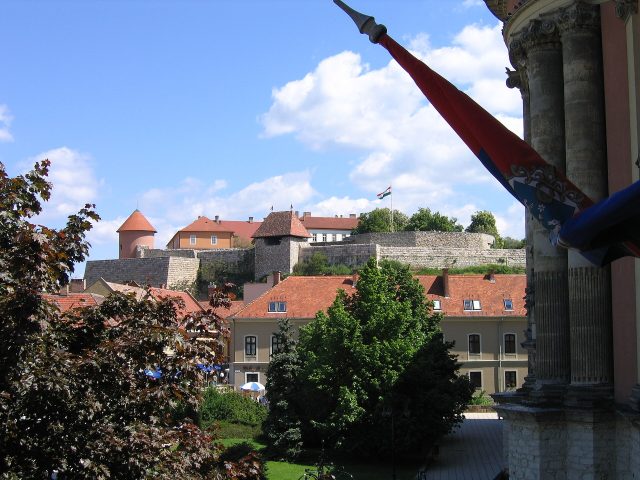
The town itself encourages this unhurried pace. After a visit to the baths, you might stroll through the center, stop by a historic café, or climb the hill to the fortress for a view of the red-tiled roofs and rolling green hills. But if you’re not ready to leave that relaxed state just yet, you can always stay a little longer, sipping coffee on the terrace and watching as people come and go, the water in the pools moving at its own quiet rhythm. It’s these small, unscripted moments that often make a trip truly memorable.